The Real World Asset Thesis Meets the K-Economy
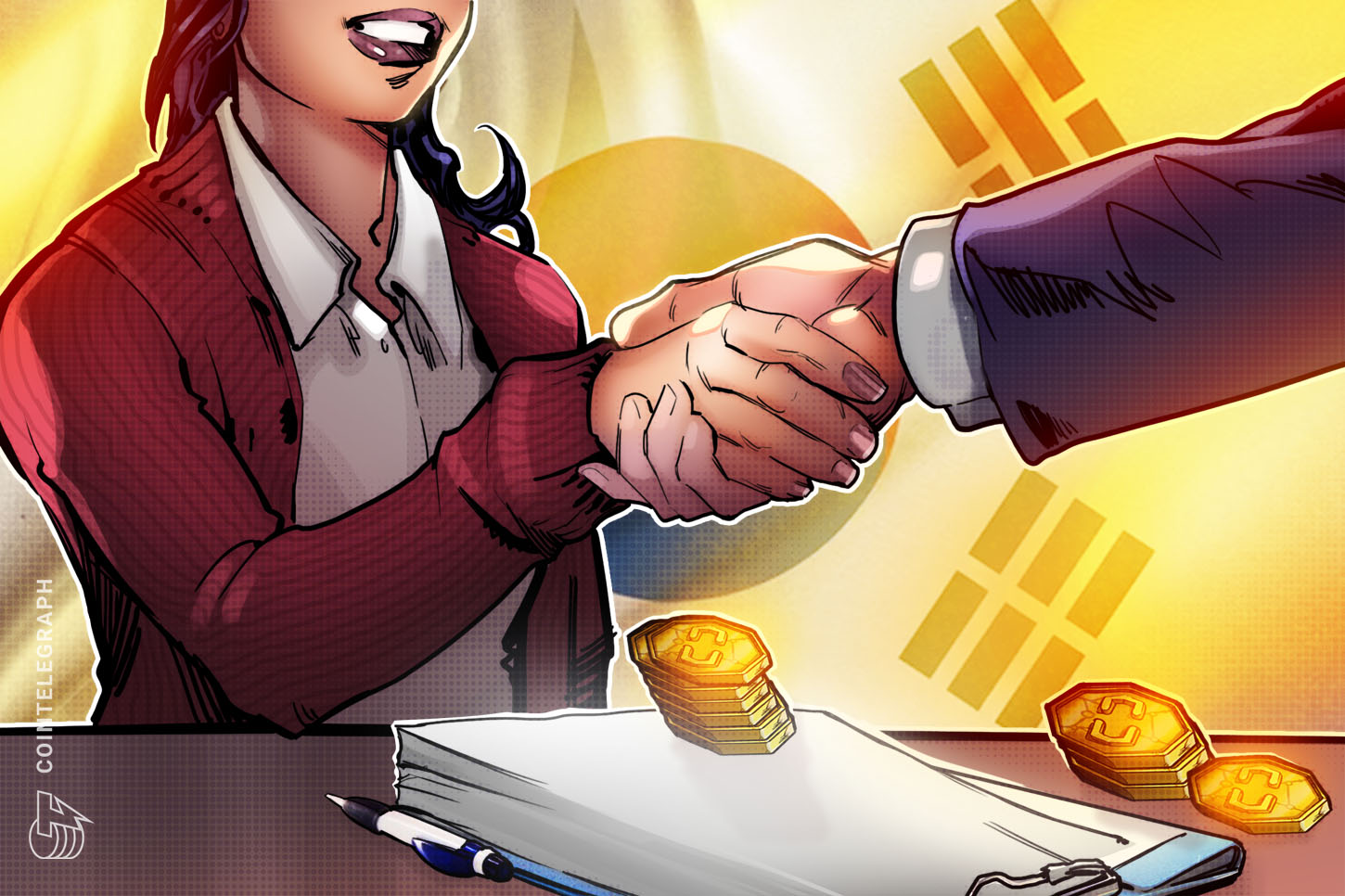
For a long time, the promise of tokenizing real-world assets (RWA) felt like a solution in search of a problem. We had the tech, but we lacked the bridge to traditional finance that actually mattered to everyday investors. That’s changing. Kakaopay Securities, the brokerage arm of South Korea’s dominant super-app, is now stepping into the ring. They aren't doing it alone; they’ve brought in Dinari and Ondo Finance to figure out how to put Korean-listed equities on a blockchain.
This isn't just another pilot program. When a company like Kakao moves, it matters because they own the distribution layer. In Korea, Kakao isn't just an app; it’s an ecosystem for everything from messaging to banking. By partnering with Ondo—a heavyweight in decentralized finance (DeFi) known for tokenized treasuries—and Dinari—a platform focused on compliant securities backing—Kakaopay is signaling that the era of "isolated" stock markets might be nearing its end.
Why Korean Stocks?
South Korea has one of the most vibrant and tech-savvy retail investor bases in the world. Whether it’s Samsung or SK Hynix, these are global brands, yet the friction for an international investor to buy into the KOSPI is significant. Between currency exchange, brokerage accounts, and local regulations, the barrier to entry is high.
Tokenization solves the distribution problem. If you can wrap a share of a Korean blue-chip company in a compliant digital token, you suddenly have a 24/7 liquid asset that can move across borders at the speed of the internet. For builders, this is the Holy Grail: turning a siloed, local security into a global, composable primitive.
The Partners: Ondo and Dinari
Ondo Finance has already proven there is a massive appetite for tokenized US Treasuries. They’ve managed to attract hundreds of millions in TVL by offering a simple proposition: yield from the safest assets on earth, accessible via a crypto wallet. By bringing them into the fold, Kakaopay is looking to leverage that same infrastructure for equities.
Dinari adds the regulatory and backing layer. Their model involves holding the underlying securities in a regulated environment and issuing tokens that represent a one-to-one claim on those assets. This is critical. We’ve seen enough "paper" assets in crypto to know that without a verified, 1:1 backing, these projects fail the moment the market gets volatile. Dinari’s involvement suggests a focus on transparency and legal compliance that institutional partners require.
The Founder Perspective: Friction vs. Hype
From a founder's viewpoint, the excitement here isn't just about "crypto stocks." It’s about the removal of middlemen. Traditional stock trading relies on a complex web of clearinghouses, custodians, and transfer agents. Each one takes a fee and adds a delay. Tokenization collapses that stack.
However, we have to stay skeptical about the timeline. The technical side is actually the easy part. You can mint a token representing a share of Samsung in five minutes. The hard part is the regulatory landscape in South Korea, which has been notoriously flip-floppy regarding digital assets. While the government has expressed interest in Security Token Offerings (STOs), the legal framework is still a work in progress. Founders looking to enter this space should watch the compliance hurdles more closely than the code.
What This Means for Developers and Builders
If you are building in the RWA space, this partnership is a roadmap. It shows that the path to adoption goes through established players who already have the users. You don't need to build a new stock exchange; you need to build the pipes that connect existing liquidity to the blockchain.
- Focus on Interoperability: As more assets like Korean stocks come on-chain, the demand for cross-chain bridges and unified liquidity pools will skyrocket.
- Compliance as a Feature: Notice how Kakaopay didn't just launch a token. They partnered with specialists who handle the legal heavy lifting. In 2024 and beyond, your compliance stack is as important as your tech stack.
- The Yield Factor: Equities bring dividends. Managing the distribution of those dividends on-chain is a massive opportunity for smart contract developers.
The Reality Check
We shouldn't expect to be trading KOSPI tokens on Uniswap tomorrow. This is a long-term play. The goal here is to expand the availability of Korean stocks to international markets, but that requires navigating the "travel rule" and international tax laws. It’s messy, it’s bureaucratic, and it’s slow.
But the direction of travel is clear. We are moving toward a world where the distinction between a "crypto asset" and a "traditional asset" disappears. To the end user, it will just be an asset in their digital wallet. Whether it’s a USDC stablecoin, a fractional piece of real estate, or a share of a Korean tech giant, the interface remains the same.
The value isn't in the token itself, but in the access it provides. Kakaopay is betting that the world wants a piece of Korea's growth, and they are using blockchain to lower the fence.
For builders, the takeaway is simple: stop thinking about crypto as a separate economy. Start thinking about how to use these tools to fix the inefficiencies in the $100 trillion global equity market. Kakaopay, Ondo, and Dinari are laying the first few bricks of that bridge. It’s up to the rest of the ecosystem to see what we can build on top of it.
Read the original at Cointelegraph →