The Fight for Transparency in High-Stakes Crypto
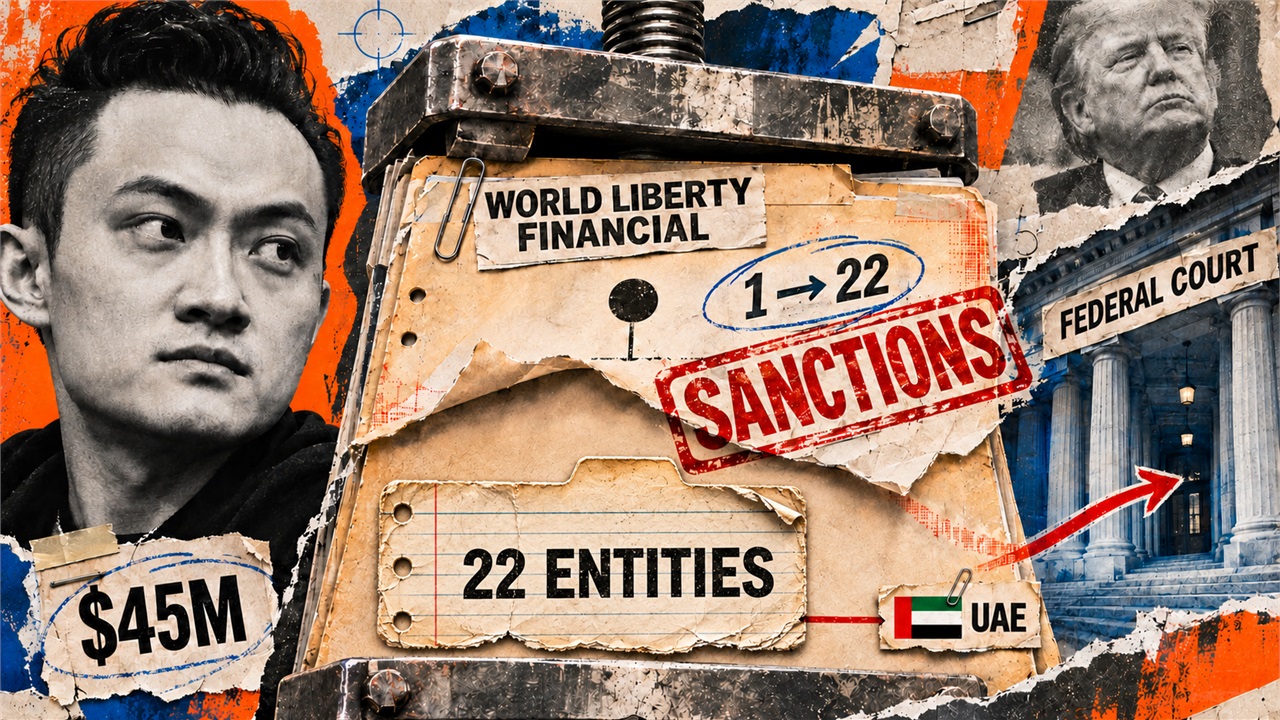
Legal battles in the crypto space are usually a mix of technical jargon and regulatory posturing, but the latest clash between Tron founder Justin Sun and the Trump-aligned World Liberty Financial is turning into a masterclass in procedural warfare. At the center of this dispute is a $45 million claim and a sudden revelation about ownership that has left Sun calling for court-ordered sanctions.
Sun is alleging that World Liberty Financial deliberately obscured the citizenship of its owners to manipulate the court’s jurisdiction. According to Sun, the company waited months into the litigation process to reveal that it had stakeholders with ties to the United Arab Emirates. This isn't just a minor administrative oversight; in the federal court system, the residency and citizenship of a company’s owners can determine whether a case stays in federal court or gets kicked to a different venue entirely.
The Founder's Perspective on Jurisdiction
For those of us building in this space, jurisdiction is everything. We often talk about decentralization as a technical goal, but legally, the world is still very much bounded by physical borders. When a project is backed by high-profile figures like the Trump family, the scrutiny is naturally higher. Sun’s argument is that the defense team played a shell game, keeping their UAE connections under wraps until it was strategically convenient to attempt to derail the lawsuit.
The $45 million at the heart of this case isn't pocket change, even for someone with Sun’s resources. By demanding sanctions, Sun isn't just looking for a win on the merits of the case; he’s signaling that he won't be outmaneuvered by legal technicalities. For a founder, this is a reminder that who you associate with and where they live matters just as much as the code you write.
Why UAE Citizenship Matters Here
The UAE has become a safe haven for crypto founders, thanks to its clear regulatory framework and tax incentives. However, in the context of U.S. federal litigation, having owners based in the UAE can complicate the concept of "diversity jurisdiction." This is a legal rule that allows federal courts to hear cases between parties from different states or countries. By allegedly hiding these foreign ties, World Liberty Financial may have been trying to stay under the radar until they could use that very information to argue the case didn't belong in its current court.
Sun’s lawyers are arguing that this behavior is a bad-faith tactic. If a company knows its ownership structure, it should disclose it upfront. Waiting months to drop a bombshell about foreign owners suggests a level of calculation that judges generally dislike. Sun wants the court to punish this delay, arguing that it wasted time and resources.
The Trump Connection and the Brand Risk
World Liberty Financial isn't just any startup. It carries the weight of the Trump brand, which brings both massive attention and massive risk. For builders watching this play out, the lesson is clear: your legal foundation needs to be as robust as your marketing. If you're going to compete at this level, you can't afford to have "hidden" owners surface during a federal lawsuit.
From a skeptical founder’s view, this looks like a collision of two very different worlds. You have Justin Sun, who has spent years navigating (and sometimes fighting) the global regulatory landscape, and you have a new venture tied to a political dynasty that is still finding its footing in the specific nuances of crypto law. The friction was inevitable.
What This Means for the Industry
- Transparency is non-negotiable: In a world where transparency is touted as a core value of the blockchain, seeing it ignored in the legal structure of a project is a bad look.
- Procedural integrity: The court's reaction to Sun's request for sanctions will set a precedent for how crypto firms must disclose their global footprints.
- Founder accountability: Whether you love or hate Justin Sun, he is forcing a conversation about accountability that many in the space would rather avoid.
"If a company knows its ownership structure, it should disclose it upfront. Waiting months to drop a bombshell suggests a level of calculation that judges generally dislike."
The Takeaway for Builders
Don't treat your cap table or your corporate structure as an afterthought. In the early days of a project, it's tempting to focus entirely on the product and the hype. But as soon as real money—especially $45 million—is on the line, the legal architecture becomes the only thing that matters. If your ownership structure is a mystery, it will eventually be used against you.
Sun’s move for sanctions is a aggressive one, but it’s a standard play for someone who feels they are being gamed. For those of us building the next generation of financial tools, the goal should be to avoid these situations entirely by being clear about who owns what and where they are located from day one. In the long run, honesty is cheaper than legal fees.
We will see if the court agrees with Sun's assessment of the situation. If sanctions are granted, it will be a major blow to World Liberty Financial’s credibility and a warning to other projects that try to use complex international structures to evade legal accountability. For now, it’s a reminder that in crypto, the most important battles often happen off-chain.
Read the original at CryptoSlate →