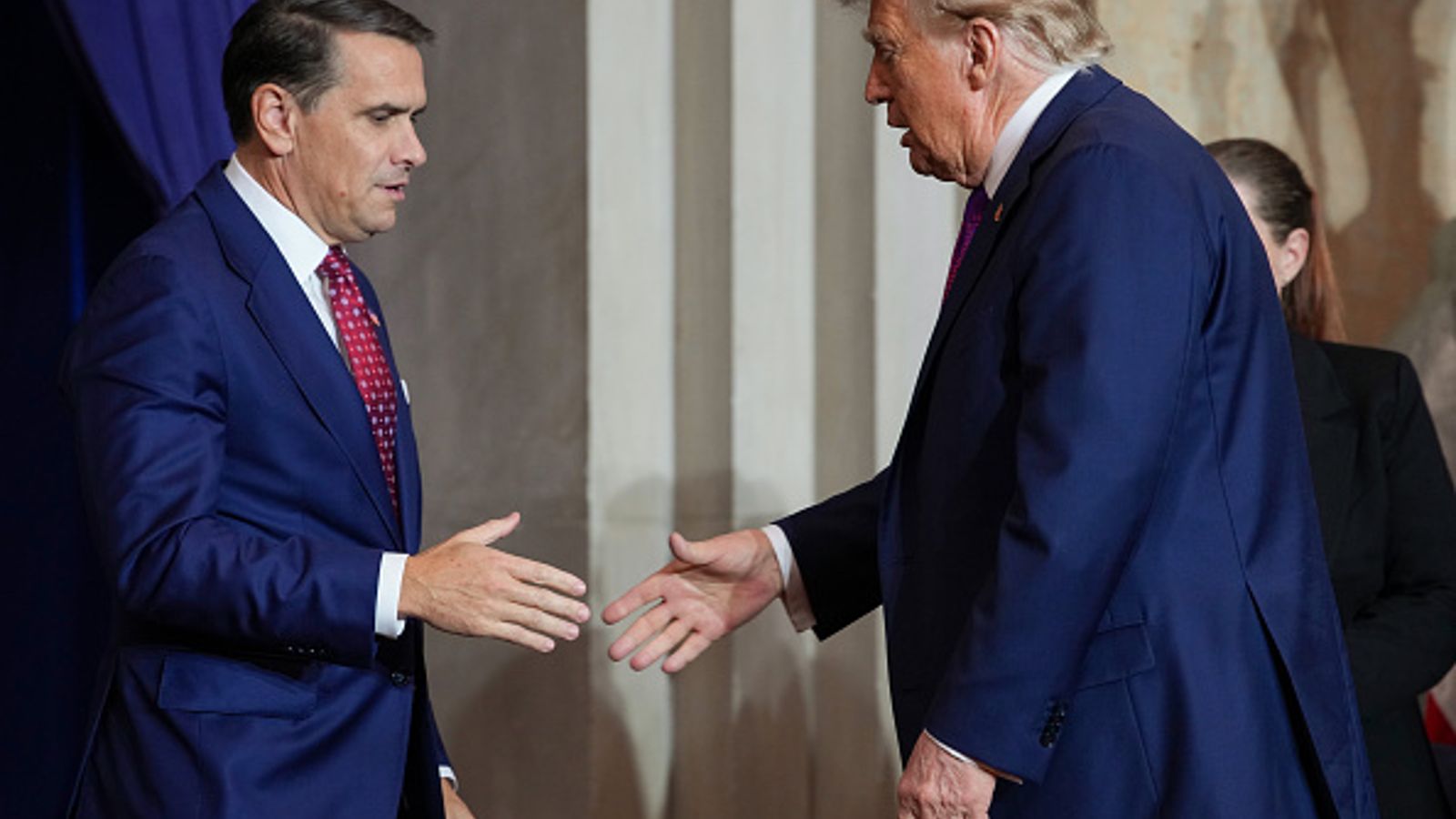
The DOJ Just Flipped the Switch
We have all heard the rhetoric before, but this time the numbers are actually backing it up. The Department of Justice recently announced what they are calling their largest-ever crackdown on cryptocurrency fraud. This is not just another press release about a minor scammer in a basement. We are talking about billions of dollars in seized assets and a coordinated effort that signals a massive shift in how the federal government views the wild west of digital finance.
For those of us building in this space, it is easy to get cynical about government intervention. We often see it as a hurdle to innovation or a misunderstanding of the technology. But looking at the scale of this operation, it is clear that the mandate has changed. This isn't just about catching criminals; it is about cleaning house so that the infrastructure can actually be taken seriously by the rest of the world.
Following the Money Trail
The core of this crackdown focuses on proceeds from sophisticated fraud schemes that have plagued the ecosystem for years. These aren't just simple phishing links. We are looking at massive, multi-jurisdictional operations that leveraged the perceived anonymity of the blockchain to move illicit funds. The DOJ is essentially telling the market that the veil of privacy they thought they had is thinner than they realized.
What is interesting here is the timing. This initiative follows a direct push to prioritize the recovery of assets lost to digital currency crimes. The government is realizing that if they want to foster a domestic crypto industry, they cannot let it be defined by high-profile thefts and rug pulls. They are going after the liquidity that fuels the bad actors, and they are doing it with tools that are becoming increasingly more precise.
The Founder's Perspective: Why This Matters
As a founder, you might think this doesn't affect you if you are playing by the rules. I would argue the opposite. This crackdown is the start of a new compliance baseline. If the DOJ is successfully reclaiming billions, they are refining the playbooks they will eventually use to audit and monitor legitimate projects. The tools built to catch hackers today will be the reporting requirements for your startup tomorrow.
We have spent years complaining about the lack of clarity. Well, this is a form of clarity. It is the clarity of enforcement. The government is signaling that they are no longer satisfied with just issuing warnings; they are coming for the balance sheets. For builders, this means that your internal compliance, your KYC processes, and your chain analysis tools aren't just overhead—they are your primary defense against getting caught in a wider net.
Separating the Signal from the Noise
We need to be honest about the state of the industry. A significant portion of the total value locked in decentralized finance and various protocols is, unfortunately, tainted by illicit origins. When the DOJ moves to seize billions, they are effectively shrinking the total addressable market of "dark money." While that might hurt short-term liquidity, it is the only way to build a foundation that isn't made of sand.
I have spoken to dozens of developers who are tired of their hard work being overshadowed by the latest nine-figure hack or a massive ponzi scheme. This crackdown is the necessary, albeit painful, surgery required to remove the rot. The skeptics will say this is an overreach, but if we want institutional adoption, we have to accept that institutions do not play in markets where billions can vanish without a trace or a legal recourse.
Infrastructure is the New Front Line
If you are building infrastructure right now, your biggest challenge isn't just scalability or user experience; it is provenance. Being able to prove where funds came from and ensuring that your protocol isn't an accidental laundry machine for fraud proceeds is now a tier-one priority. The DOJ’s recent moves suggest that ignorance of your users' origins will no longer be a valid legal defense.
We are seeing a move toward what I call "Clean Crypto." It is the idea that the only way forward is through transparent, verifiable, and compliant rails. This doesn't mean we sacrifice decentralization, but it does mean we have to stop pretending that the lack of rules is a feature rather than a bug that is currently being exploited by the worst people in the world.
What This Means for the Next Cycle
As we head into the next phase of market activity, the projects that survive will be the ones that anticipated this level of scrutiny. The days of launching a project with zero regard for jurisdictional law are effectively over. The DOJ has shown they have the technical capability and the political will to track assets across chains and through mixers.
- Expect increased pressure on centralized exchanges to provide even more data to federal agencies.
- Watch for new developments in automated chain-monitoring tools that can flag suspicious activity in real-time.
- Anticipate a shift in investor sentiment toward projects that prioritize legal resilience over rapid, unregulated growth.
The Takeaway for Builders
The headline says "crackdown," but the subtext is "standardization." The federal government is asserting its role as the ultimate arbiter of value, even in a digital-first economy. As a founder, you have two choices: you can ignore this as political theater, or you can recognize that the rules of the game just changed permanently.
Don't wait for a subpoena to figure out your compliance strategy. The DOJ is proving that the blockchain isn't a hiding place; it’s a ledger. And they are getting very good at reading it. The best way to protect what you are building is to ensure it can withstand the highest level of scrutiny, because that scrutiny is no longer a possibility—it is a certainty.
Read the original at The Block →