We are watching a slow-motion legal train wreck finally reach the cleanup phase. The Terraform Labs bankruptcy case is not just a footnote in crypto history; it is a live blueprint for how the legal system attempts to reconcile billions in vaporized retail value with the rigid reality of a Chapter 11 filing. Recently, the court in Delaware handed down a split decision that acts as a double-edged sword for the estate and those seeking a piece of the wreckage.
Judge Brendan Shannon has granted the Terraform estate permission to use evidence originally gathered in the SEC’s litigation against Jump Trading. Simultaneously, the court blocked four substantial creditor claims because they missed the filing deadline. For builders, this is not just boring legal procedural news. It is a lesson in two things: the power of information sharing in litigation and the absolute, unforgiving nature of the clock.
The Jump Evidence and the Hunt for Billions
To understand why the Jump Trading evidence matters, you have to look back at the mechanics of the UST collapse. The SEC previously hammered Jump with allegations that it essentially propped up the stablecoin behind the scenes to maintain the appearance of stability before the final, fatal de-pegging event. The Terraform estate, now managed by a winding-down trust, wants to use that same evidence to bolster their own claims for recovery.
In a bankruptcy, the goal of the estate is simple: get as much money back as possible to pay off creditors. If the evidence shows that specific parties were complicit or gained unfairly during the collapse, the trust can use that leverage to claw back funds. Judge Shannon’s approval here is a win for the estate’s tactical position. It saves the trust from having to re-litigate discovery processes that have already been paid for and processed in other courtrooms. It is an efficiency play that makes the estate’s $4 billion settlement obligations slightly easier to envision—though nowhere near guaranteed.
The Wall of Deadlines
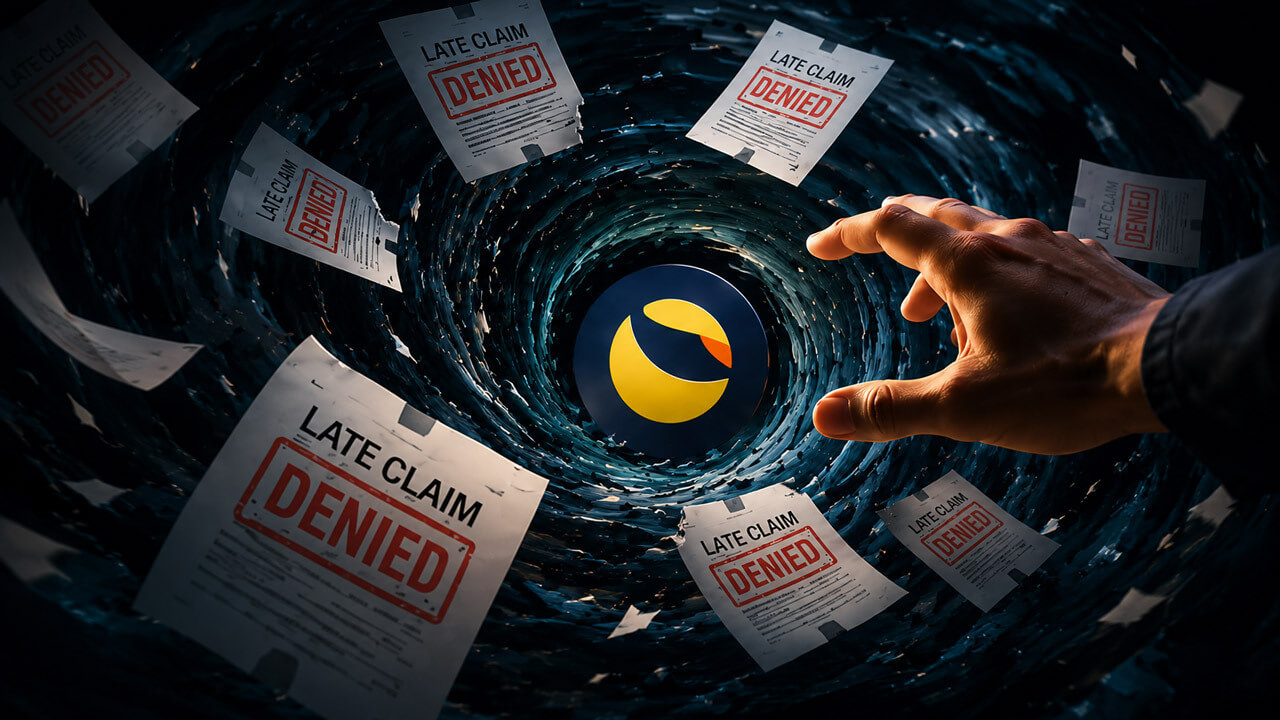
While the estate gained a tool for recovery, four creditors lost their seat at the table. These entities attempted to file claims against the estate well after the established deadline, commonly known as the bar date. The judge issued a flat rejection of these late claims. In the eyes of the court, late is not just inconvenient; it is prejudicial.
When a crypto project blows up, the fallout is chaotic. However, once that chaos enters a Delaware bankruptcy court, the rules transition from the wild west to a very predictable, very strict regime. The judge’s reasoning was clear: allowing late claims sets a precedent that would delay the entire distribution process for those who followed the rules and filed on time. It is a cold reminder that in the transition from founder-led chaos to court-led liquidation, your rights are only as good as your administrative diligence.
What This Means for the Builders Left Standing
If you are building in the DeFi or stablecoin space today, this case is your cautionary tale. The legal system is finally catching up to the speed of the 2022 crash, but it is doing so through the lens of traditional insolvency law. We are seeing that the "code is law" ethos of the early DeFi days has zero standing when four-page legal motions and filing deadlines come into play.
First, it tells us that the trail of breadcrumbs in crypto is permanent. The use of Jump-related evidence shows that what happens in one regulatory silo will inevitably bleed into your bankruptcy proceedings. If you are building a protocol, your risk management needs to account for the fact that every back-channel communication and liquidity-provision agreement will be scrutinized by a liquidation trust three years down the line.
Second, the rejection of late claims is a warning to institutional partners. If you are a founder whose project is integrated with another protocol, and that protocol fails, you cannot afford to wait and see how the dust settles. You have to be aggressive and timely with legal filings. The court does not care how complex your smart contract integration was; they care if you submitted your paperwork before the bell rang.
The Long Tail of the Terraform Collapse
We are still years away from the final dollar being distributed. Terraform’s massive $4.47 billion settlement with the SEC serves as a ceiling that the estate is unlikely to ever reach, but these smaller procedural rulings dictate who gets the crumbs that are actually left. The trust is essentially operating as a specialized collection agency now, and the inclusion of the Jump evidence gives them a sharper set of teeth.
There is a certain irony in seeing a project that was built on the idea of decentralized, algorithmic stability being dismantled by a centralized, paper-heavy legal system. The skepticism I hold for the "restructuring" phase of crypto startups is that it often consumes a huge portion of the remaining value in legal fees before a single retail user sees a penny. Every day this case drags on, the lawyers get paid, and the actual victims of the UST crash wait.
The Takeaway
The Terraform winding-down process is proving that the legal system can adapt to crypto evidence, but it will not adapt its rules for crypto founders. If you miss a deadline, you are out. If you leave a trail of evidence in a separate SEC investigation, it will find its way to your bankruptcy hearing. The lesson here is that transparency is no longer optional—it is inevitable, whether you provide it willingly or a judge compels it.
The court does not care how complex your smart contract integration was; they care if you submitted your paperwork before the bell rang.
As we move into a cycle where AI and crypto are merging, the stakes for data integrity and legal compliance are only going to rise. The Terraform case is the ghost of crypto past, but its rulings are laying the bricks for the regulatory road we are all walking on now. Stay diligent, watch your deadlines, and assume that every internal document you create will eventually be read by a bankruptcy judge.
Read the original at CryptoSlate →