We have spent years hearing about the institutional interest in blockchain. Usually, that means a private, permissioned fork of Ethereum that nobody actually uses. But the latest move out of Japan suggests the wind is shifting toward public infrastructure that can actually handle traffic.
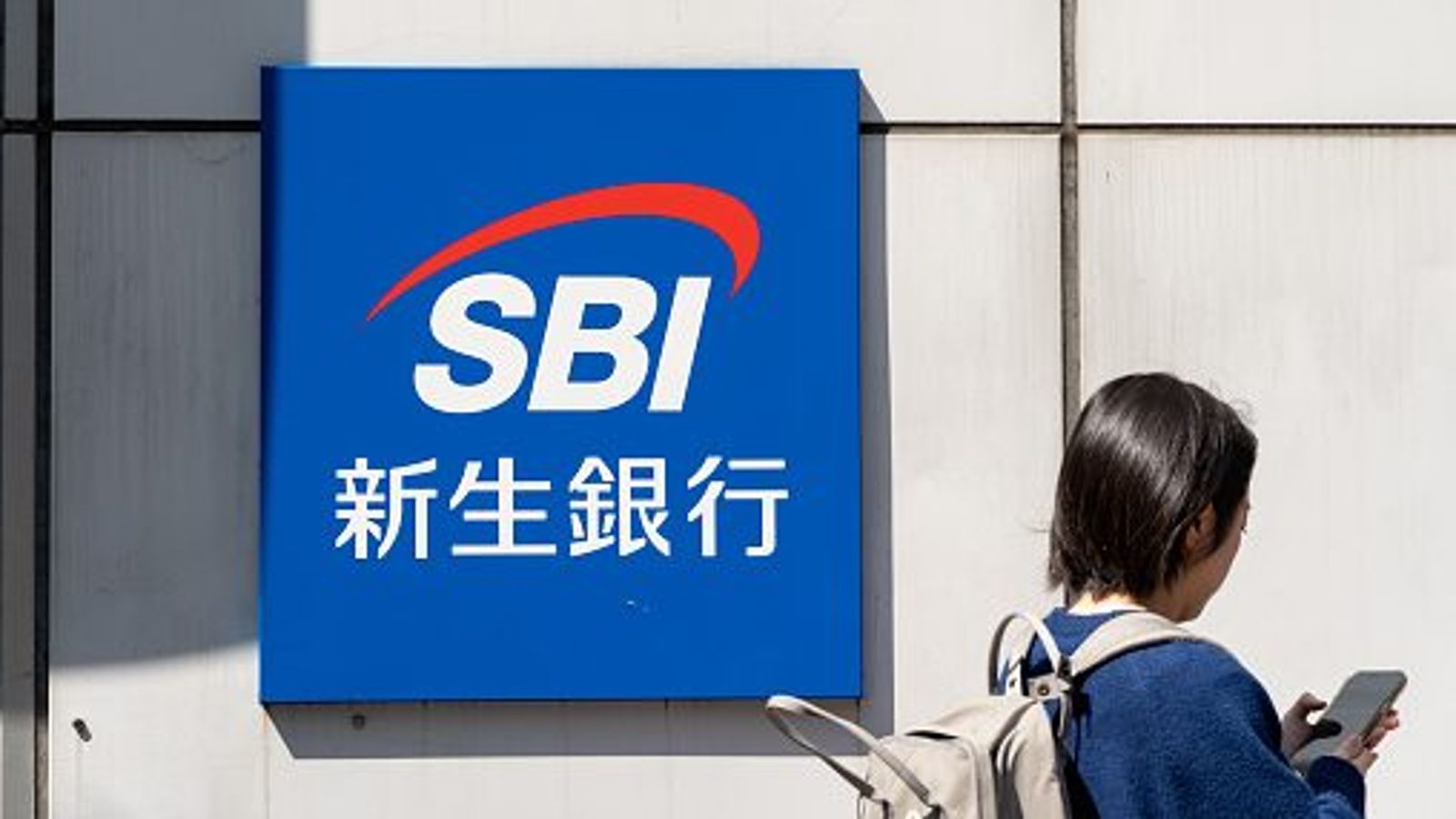
SBI Holdings and Sumitomo Mitsui Financial Group (SMFG) just announced a joint venture specifically targeting the Solana ecosystem. This isn't a vague research project. They are looking at stablecoin payments, real-world asset (RWA) tokenization, and on-chain management. It is a massive vote of confidence in a network that was left for dead by many after the 2022 collapse of its biggest backer.
The Practicality of High-Throughput Chains
For a long time, the institutional narrative was stuck on Ethereum. It was the safe choice, the most decentralized, and the most battle-tested. But for a bank trying to move money at the speed of modern commerce, Ethereum's base layer is a non-starter. High fees and slow finality don't work for high-volume retail payments.
SBI and SMFG are choosing Solana because it solves the throughput problem without forcing them into the complexity of fragmented Layer 2 solutions. When you are a massive financial institution, you want a single ledger that works. You don't want to manage liquidity across ten different bridges just to make a payment settle. This move validates the idea that speed and cost are the primary metrics for actual utility, not just theoretical decentralization.
Why Japan is Leading the Charge
It is worth noting that Japan has been consistently ahead of the curve on regulatory clarity. While the U.S. was busy with enforcement-led regulation, Japan was building a framework that allowed banks to touch crypto without fearing for their licenses. This joint venture is a direct result of that environment. These banks aren't rebels; they are incumbents following a clear rulebook.
For builders, this is a signal that the sandbox is expanding. When banks like SMFG start looking at on-chain asset management, they aren't just looking for a new database. They are looking for ways to cut out the middlemen in the settlement process. That creates a massive opportunity for developers building the plumbing that connects these banks to the public ledger.
The Shift to Stablecoin Payments
The core of this partnership seems to be stablecoins. We are seeing a global realization that the current cross-border payment system is broken. It is slow, expensive, and opaque. Using a stablecoin on a chain like Solana turns a three-day settlement process into a three-second one.
If SBI and SMFG successfully launch a stablecoin-based payment rail, it changes the competitive landscape for fintech in Asia. It forces other regional players to either adapt or continue losing margin to legacy inefficiencies. This isn't just about 'crypto'; it's about the modernization of the yen and how it moves through the digital economy.
Tokenization is the Long Game
Beyond payments, the mention of RWA tokenization is the real meat of the story. Tokenizing real-world assets—whether that is real estate, private equity, or debt—requires a chain that can handle a high volume of metadata and frequent updates. Solana’s state compression and low-cost transactions make it a viable candidate for these types of heavy-duty financial applications.
We are moving away from the era of 'blockchain for the sake of blockchain.' These banks are looking at tokenization because it makes assets more liquid and easier to distribute. If you can fractionalize a high-value asset and trade it on a public ledger with instant settlement, you have just unlocked a massive amount of trapped capital.
The Founder Perspective
If you are building in this space, stop worrying about the 'institutional' memes and start looking at the infrastructure these giants actually need. They need custody solutions that don't suck. They need compliance layers that can sit on top of public chains without breaking them. They need identity solutions that preserve privacy while satisfying AML requirements.
SBI and SMFG aren't going to build everything themselves. They are going to need a stack of middleware to make this work. The fact that they chose Solana tells you where the volume is likely to migrate. It won't be on isolated private chains that nobody can bridge to. It will be on the networks that can actually handle the load.
The move by Japan's banking giants to use Solana isn't just a technical choice; it is a strategic bet on a unified, high-speed public ledger over fragmented legacy systems.
We should expect more of this. As the friction of using public chains decreases, the excuse for staying on private databases disappears. The 'walled garden' approach to banking is dying because the walls are too expensive to maintain. Open systems win because they are more efficient, and efficiency is the only thing that matters to a bank's bottom line.
What This Means for the Ecosystem
- Liquidity Inflow: Institutional stablecoins mean more liquidity on-chain, which benefits the entire DeFi ecosystem.
- Validation: Solana's architecture is being battle-tested by some of the most conservative financial entities on the planet.
- Standardization: Japan is setting a template for how the rest of the G7 might handle the integration of public ledgers into the banking system.
The skepticism around Solana has always been focused on its outages and its ties to bad actors. But banks don't care about the history; they care about the future capacity. If the network stays up and the transactions remain cheap, the capital will continue to flow. This isn't a hype cycle; it's the beginning of a fundamental re-plumbing of the Japanese financial system.
Keep your head down and build for the scale that is coming. The institutions aren't just coming; they are already starting to deploy.
Read the original at The Block →