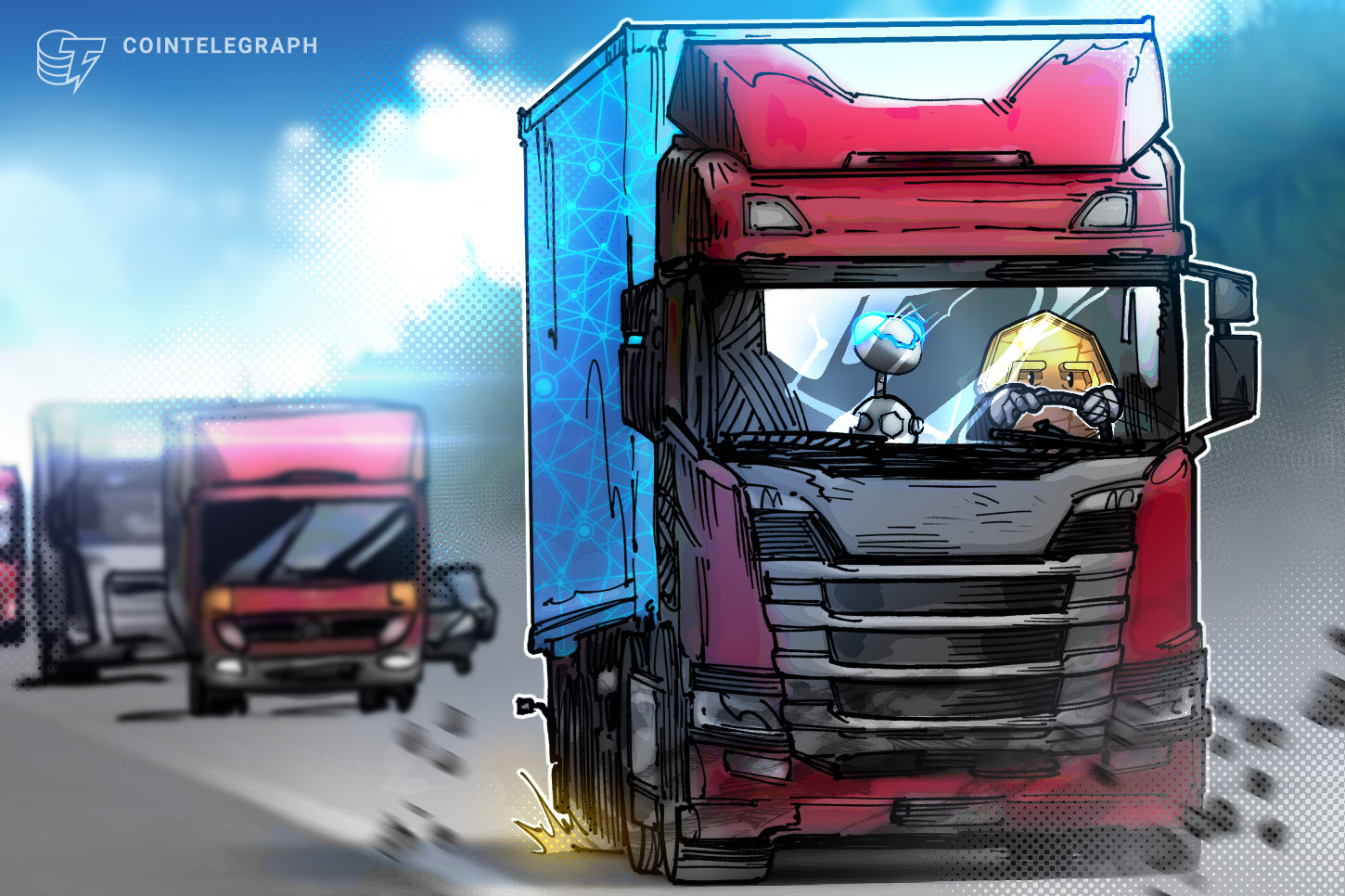
Logistics is where the rubber meets the road for real-world crypto utility. While DeFi degens are chasing the latest meme coin, a massive Japanese shipping enterprise is looking at a pragmatic solution for one of the oldest problems in the book: payroll friction. They are testing the JPYC stablecoin to pay their drivers, and if you are building in the payments space, you need to pay attention to why this matters more than the latest L2 launch.
The Friction of the Friday Paycheck
In the traditional logistics world, money moves at the speed of bureaucracy, not the speed of the highway. Drivers often wait weeks for invoices to clear. Banks have operating hours, weekends, and holidays that do not care if a contractor needs to fuel up or pay their rent. For a driver, time is literally money, and waiting for a bank settlement is a massive inefficiency.
By integrating JPYC—a stablecoin pegged to the Japanese Yen—this logistics company is cutting out the middleman. They are moving toward a model where a driver finishes a route, and the value is transferred almost instantly. This isn't about speculation; it is about liquidity for the working class.
Why JPYC and Why Localized Stables?
We see a lot of noise about the US Dollar dominating the stablecoin market. For builders, the lesson here is regional specificity. A driver in Tokyo doesn't want USDC; they want something they can use at the local konbini or send to their family without worrying about forex volatility or withdrawal fees. JPYC bridges that gap by functioning as a digital version of the currency they already trust.
From a founder's perspective, this is a clear signal: the future of mass adoption isn't convincing everyone to use Bitcoin. It is making the crypto rails invisible. The driver doesn't need to know they are interacting with a blockchain; they just need to see their balance update in real-time.
The Logistics Playbook for Web3 Builders
If you are developing applications today, looking at the supply chain and gig economy is the smartest move you can make. The infrastructure for these industries is incredibly outdated. Most logistics software looks like it was designed in 1998, and the financial settlement layers are even older.
Programmable Money vs. Static Deposits
The real magic happens when you combine these payments with smart contracts. You can set up escrow systems where a driver is paid automatically upon a digital signature or a GPS-verified delivery. This removes the need for a payroll department to manually verify every single transaction. It reduces overhead for the company and increases trust for the contractor. That is a rare win-win in the business world.
The Skeptic’s Corner: Regulatory Hurdle or Help?
Japan has been significantly more proactive than the West in creating a framework for stablecoins. While US regulators are still arguing over who gets to hold the pen, Japan has cleared the path for companies to experiment with these assets safely. This logistics pilot is only possible because the legal groundwork exists.
However, as a builder, you have to be careful. Centralized stablecoins like JPYC come with censorship risks and counterparty risks. If the issuer goes under or the government decides to freeze an address, that driver is stuck. We are trading the slow reliability of banks for the fast, potentially fragile nature of fintech-led crypto assets. It is a trade-off we have to be honest about.
What This Means for the Near Future
Expect to see more of this. Logistics, construction, and seasonal agriculture are all industries where contractors are common and cash flow is king. If this pilot scales, it sets a precedent for every other logistics hub in Asia. We are no longer talking about "if" crypto will be used for payroll; we are looking at the "how."
For those of us building in AI and automation, imagine an autonomous delivery fleet that manages its own budget. An AI could hire a human contractor for the 'last mile,' negotiate the rate, and settle the payment in JPYC the moment the package is scanned. The financial rails are finally catching up to the technology we’ve been dreaming about for a decade.
Building for the Real World
Stop focusing on the pump and start focusing on the plumbing. The logistics company isn't using crypto because they like the philosophy of decentralization. They are using it because the current banking system is a headache that costs them money. If you can solve a headache, you have a business.
The Japanese drivers getting paid in digital Yen are the early adopters of a system that will eventually seem mundane. That is the goal. Crypto should be as boring as a bank transfer, but as fast as an email. This pilot is a major step toward that boring, efficient future.
Keep your eyes on the utility. The hype will fade, but the need for faster payments is permanent.
- Immediate Liquidity: Drivers get paid when the job is done, not when the bank decides to open.
- Reduced Overhead: Automation of payroll through stablecoins cuts down on administrative costs.
- Regional Dominance: Localized stablecoins are the key to onboarding non-technical users in specific markets.
Ultimately, this isn't just a news story about a Japanese firm. It is a blueprint for how we integrate decentralized finance into the legacy economy without scaring off the people who actually do the work. Builders who follow this lead—solving specific, local problems with stable assets—will be the ones who survive the next market cycle.
Read the original at Cointelegraph →