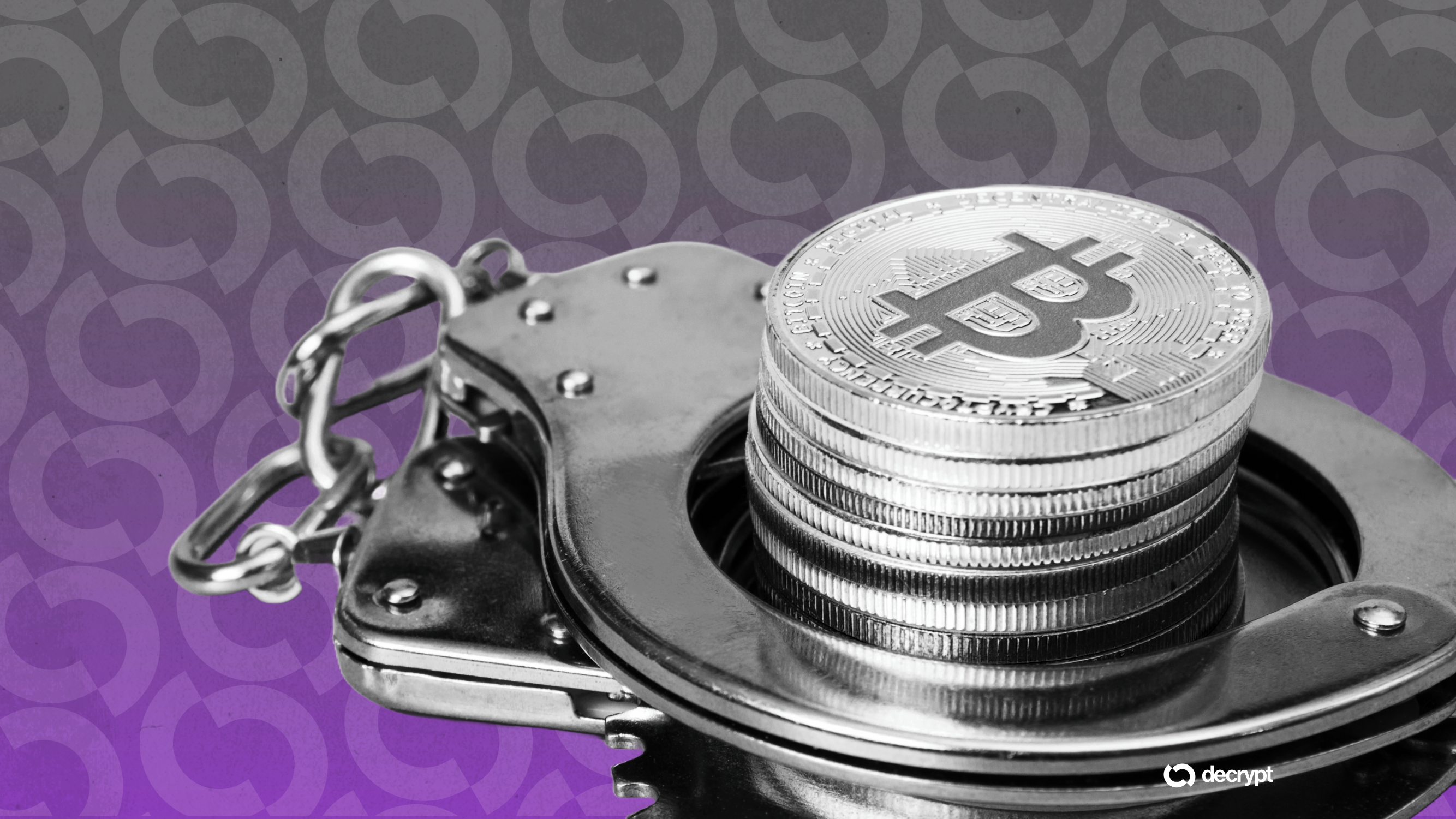
The Myth of the Digital Handcuff
In the physical world, if a court orders you to forfeit your house and your car, the government changes the locks and takes the keys. In the crypto world, we are seeing the limits of that analogy in real-time. A recent case involving a convicted fraudster moving nearly $300,000 in forfeited assets from behind bars isn't just a story about a slick criminal; it is a massive indictment of how poorly the justice system understands self-custody and private key security.
We hear these stories often, but we rarely look at the plumbing. When a federal court orders a forfeiture, there is an assumption that the asset is now under the control of the state. But as this latest breach demonstrates, a court order is not a cryptographic lock. If the person being prosecuted hasn't handed over every seed phrase, or if they have managed to hide a hardware wallet or access a relay through a third party, the government has nothing but a piece of paper.
The Illusion of Custody
The core of the issue is that the Department of Justice and various federal agencies are attempting to manage 21st-century assets with a 20th-century mindset. They treat Bitcoin or Ethereum like a pile of cash in a safe. But crypto isn't a physical object; it is access. Even if the government moves funds to a controlled wallet, the failure to secure the original environment or identify all potential access points remains a glaring vulnerability.
In this specific case, the individual was already serving time for a multi-million dollar scheme. The crypto in question was legally forfeited—meaning, in the eyes of the law, it no longer belonged to him. Yet, he was allegedly able to trigger transfers while sitting in a cell. This suggests a failure of protocol at every level, from the initial seizure to the ongoing monitoring of the blockchain addresses involved.
Why Builders Should Care
For those of us building in the space, this highlights a massive opportunity and a terrifying risk. We are constantly talking about UX and onboarding, but we rarely talk about the 'exit' security for institutional or legal entities. If the government can't keep a prisoner from moving seized assets, how can a large-scale enterprise ensure its own internal controls are actually air-tight?
- Multi-sig is the minimum: Many government seizures rely on single wallets or outdated custody solutions. For builders, this is a reminder that any high-value system must be decentralized at the control level.
- The Air-Gap Fallacy: Being in prison is the ultimate air-gap, and yet, the funds moved. This proves that where there is an incentive, there is a way to bridge the gap.
- Monitoring vs. Control: The government often monitors addresses after the fact. Builders need to focus on proactive controls—smart contracts that can programmatically restrict movement based on specific triggers.
The Reality of 'Forfeited' Assets
There is a specific kind of arrogance in thinking that a legal ruling equates to technological control. In the crypto space, code is law in a very literal sense. If the code allows a transfer, the transfer happens, regardless of what a judge in DC says. This disconnect is where fraudsters thrive. They understand that the bureaucracy moves slowly, while the ledger moves at the speed of the internet.
When we look at the founders building the next generation of custody tools, they need to be looking at this case as a stress test. How do you design a system where even the original creator or a 'monitored' prisoner cannot interfere? The answer usually points back to institutional-grade MPC (Multi-Party Computation) or highly distributed signing protocols. If the government had been using a robust MPC setup, these transfers wouldn't have been possible without multiple authorized signers outside of the prison walls.
The Looming Regulatory Backlash
Every time a story like this hits the headlines, it gives ammunition to those who want to clamp down on self-custody. The narrative becomes: 'Crypto is so dangerous that even a man in a cage can use it to commit a crime.' This is a dangerous path. Instead of blaming the technology, we should be looking at the incompetence of the custodial processes used during these seizures.
Self-custody is a right, but it is also a responsibility. When the state takes on that responsibility through forfeiture, they are failing the taxpayers by not securing the assets properly.
We are likely going to see a push for 'backdoors' or 'centralized kills-switches' in response to these kinds of breaches. As builders, we have to push back by offering better, more secure tools for asset recovery and management that don't compromise the core principles of decentralization. We need to build systems that are 'prison-proof'—not by adding backdoors, but by adding layers of verification that actually work.
Founder Perspective: The Takeaway
If you are a founder in the DeFi or infrastructure space, your takeaway is simple: the current institutional gatekeepers are out of their depth. There is a massive market for specialized digital asset recovery and management services that actually understand the nuances of things like seed phrase recovery, social engineering prevention, and real-time blockchain forensics.
The fraudster in this case didn't perform a miracle; he exploited a gap in a legacy system that wasn't built for a world of borderless, instant value transfer. Our job is to close those gaps with better tech, not more red tape. Honest builders shouldn't be punished for the government's inability to secure a private key. We need to lead the conversation on what 'secure custody' actually looks like, or the regulators will define it for us—and they'll likely get it wrong.
Read the original at Decrypt →