The Myth of the Unreachable Wallet
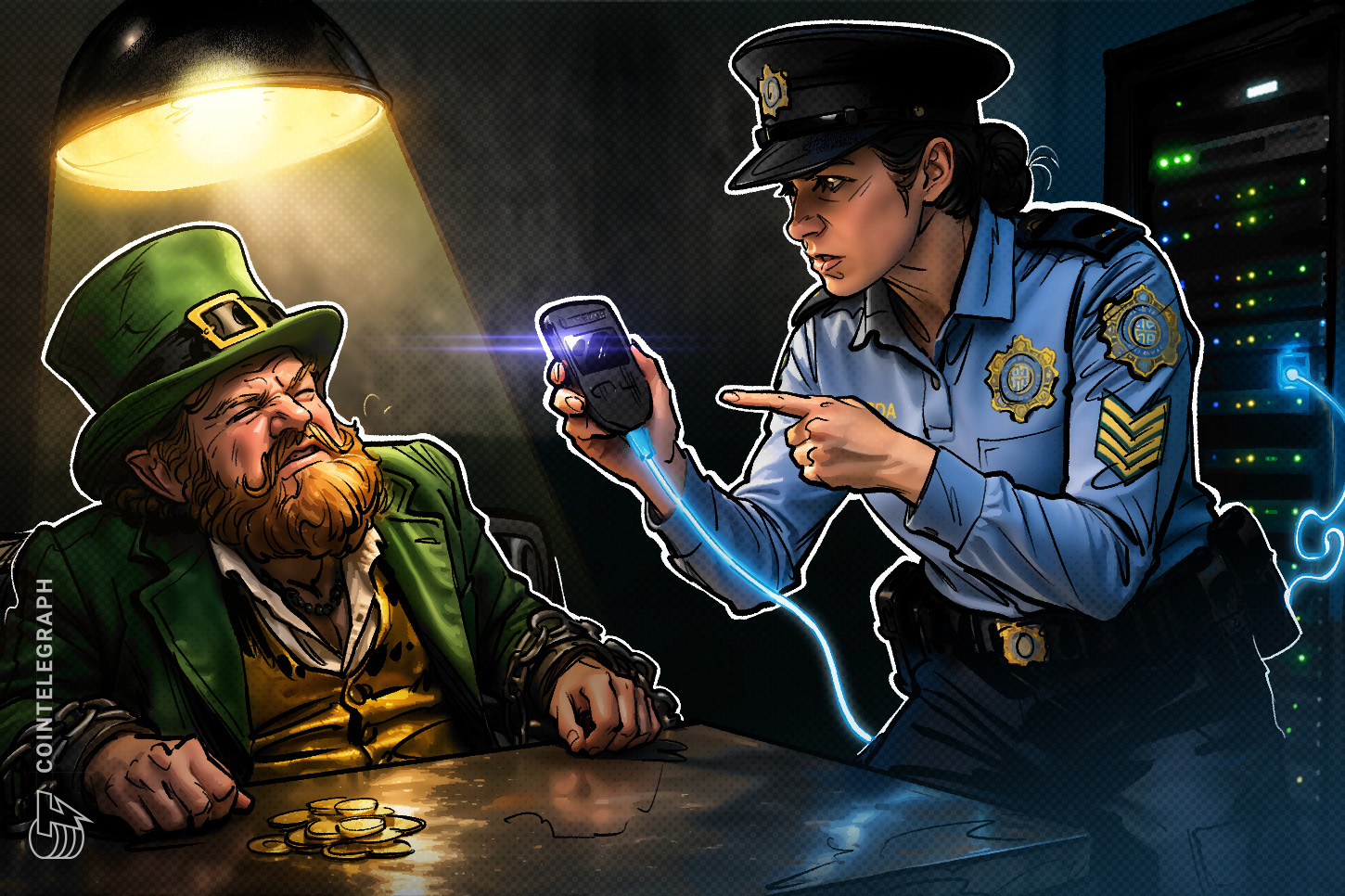
For a long time, the prevailing narrative in certain corners of the crypto world was that if you held the keys, you held the power. The idea was simple: if a government couldn't guess your seed phrase, they couldn't touch your assets. We are watching that theory die a slow, public death in real-time. The recent news out of Ireland, where the Criminal Assets Bureau has seized another 500 Bitcoin, is just another data point in a trend that builders and investors need to acknowledge. This brings the Irish government's total haul for 2026 up to 1,500 BTC, valued at roughly $92 million.
When we look at these numbers from a founder's perspective, the takeaway isn't just about law enforcement getting better at their jobs. It’s about the fundamental shift in how digital sovereignty works when it hits the brick wall of reality. Agencies aren't just hacking into ColdCards; they are using sophisticated forensic tracking, traditional legal pressure, and collaborative international efforts to turn private keys into public revenue.
The Logistics of Modern Seizures
You have to look at the scale of what is happening in Ireland. This isn't a one-off lucky break. The Criminal Assets Bureau (CAB) has been refining its process for years. By reaching a 1,500 BTC threshold in a single year, they are demonstrating a level of operational maturity that should make any developer building "shielded" protocols sit up and pay attention. If a small island nation can claw back nearly $100 million in digital assets, the veil of pseudonymity is effectively gone.
Most of these recoveries don't happen because of a flaw in the Bitcoin protocol. They happen because of the human element. Whether it’s through tracking exchange on-ramps or leveraging the permanent nature of the ledger against the people who used it years ago, the history of every satoshi eventually catches up with its owner. For those of us building in the space, this is a reminder that "privacy" is often a temporary state, not an absolute one.
What This Means for the Narrative
Every time a story like this breaks, the mainstream press treats it as a win for the good guys, while the hardcore crypto-anarchists treat it as a betrayal of the tech. I find myself somewhere in the middle. From a builder-first perspective, I see this as a sign of the industry finally growing up. We are moving past the wild west phase where Bitcoin was seen as a magic invisibility cloak. It’s a transparent ledger, and the authorities have finally learned how to read it.
The recovery of these 500 BTC funds is also a massive financial windfall for the state. We’re talking about nearly $100 million being funneled into public coffers. As more nations realize that crypto seizures are a viable and lucrative revenue stream, we should expect to see more specialized units like the CAB popping up globally. This isn't just about crime; it's about the state's ability to tax and reclaim value in a digital age.
The Builder's Dilemma
If you are developing decentralized finance tools or privacy-focused apps, you have to realize that you are building in a goldfish bowl. The Irish authorities have shown that they are patient. They don't need to break the encryption today if they can just wait for you to make a mistake in three years. This trend toward massive state seizures should influence how we think about the following:
- Compliance and Transparency: Building tools that facilitate obfuscation is becoming a high-stakes game. If the end result is a state seizure anyway, are we actually providing value to the user?
- The Future of Mixing: Tools that aim to hide the origin of funds are under intense scrutiny. The success rate of the CAB suggests that these tools are either being bypassed or decoded more often than we think.
- Custody Solutions: There is a growing gap between the ideal of self-custody and the reality of legal pressure. When the state comes knocking with a warrant, the math behind the code often takes a backseat to the physical reality of the situation.
The Permanent Record
The most important thing for builders to remember is that the blockchain is forever. The 500 Bitcoin seized this week might have been involved in activities from years ago. In the physical world, evidence decays. In the digital world, the evidence is preserved in amber on every node in the network. The Irish authorities are simply the latest to prove that they have the patience to wait for the tech to catch up with the crime.
As we move through 2026, the question for founders shouldn't be "how do we help users stay hidden?" but rather "how do we build systems that are robust enough to exist within a world where transparency is the default?" The $92 million sitting in Ireland's accounts is proof that the old ways of thinking about digital assets as untouchable are over. It's time to build for the reality we have, not the one we imagined back in 2012.
Final Takeaway
The Irish seizure is a signal, not an outlier. Authorities are no longer afraid of the tech; they are mastered by it. For the crypto industry to move forward, we have to stop pretending that Bitcoin is a get-out-of-jail-free card. It is a tool, and like any tool, it can be seized if you aren't playing by the rules of the society you live in. The builders who survive the next decade will be those who acknowledge this transparency and build products that don't rely on the illusion of being unreachable.
Read the original at Cointelegraph →