The IMF Wakes Up to the Tokenization Reality
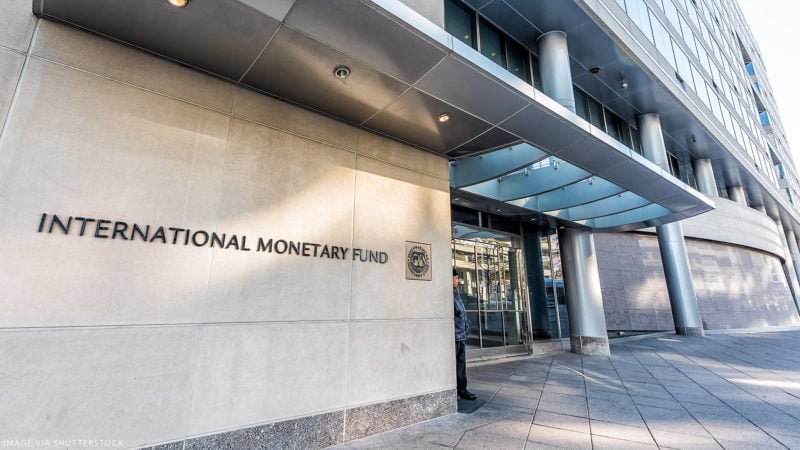
For years, central bankers treated blockchain like a science experiment happening in a basement. They watched from a distance, occasionally issuing warnings about volatility or criminal use. But the tone has shifted. The International Monetary Fund (IMF), led by insights from Tobias Adrian, is finally acknowledging that tokenization isn't just about trading digital coins; it is about rewriting the foundational plumbing of global finance.
The central thesis coming out of the IMF right now is simple but heavy with implication: policy, not technology, will determine if tokenization integrates our global markets or shatters them into a thousand disconnected pieces. For those of us building in this space, this isn't just bureaucratic noise. It is a roadmap of the regulatory hurdles and technical challenges we are going to face over the next five years.
Moving the Risk from Balance Sheets to Code
Historically, the biggest risk in finance was a bank run. You put your money in, the bank lent it out, and if everyone wanted their cash at once, the system collapsed. The IMF points out that as we move toward tokenized assets, this risk profile fundamentally shifts. We are moving away from the credit risk of institutions and toward the operational and technical risk of market infrastructure providers.
In plain English: we are trading the risk of a greedy banker for the risk of a buggy smart contract. The IMF is worried that if we don't standardize how these tokens work, a flaw in the code or a failure in the underlying protocol could trigger a systemic collapse faster than any traditional bank run ever could. As a founder, this is a call to move beyond the "move fast and break things" mentality. In the new financial stack, breaking things means breaking the economy.
The Fragmentation Trap
One of the most valuable aspects of the IMF's latest stance is the warning about fragmentation. We currently have dozens of different blockchains, layer-2 solutions, and private institutional ledgers all trying to host the future of real-world assets (RWAs). If these systems don't talk to each other, we haven't actually solved anything. We have just replaced one set of silos with another, more expensive set of digital silos.
The IMF is concerned that without a unified policy framework, we will end up with a fragmented global system where liquidity is trapped in specific ecosystems. This is the death knell for the efficiency gains that tokenization promises. If a tokenized bond on Ethereum can't be used as collateral for a trade on a private bank chain without five layers of wrappers and bridges, the system is still broken.
Smart Contracts as the New Gatekeepers
The IMF specifically mentioned that risk is shifting toward smart contracts. This is a massive shift in how global regulators view our work. They no longer see smart contracts as just "scripts"; they see them as the new gatekeepers of financial stability. This carries a specific weight for developers.
When the IMF looks at a smart contract, they aren't looking at the innovation or the yield mechanism. They are looking at the logic. They are asking: who has the keys? What happens if the price oracle fails? Is there a kill switch, and who controls it? These are no longer just technical questions; they are policy requirements. The days of launching an unaudited protocol and hoping for the best are officially over if you want to touch any serious institutional capital.
What This Means for the Builder Perspective
If you are building a dApp or a tokenization platform today, you need to read between the lines of the IMF's position. They are essentially telling us that the "Wild West" phase is being replaced by a "Compliance by Design" phase. If your protocol doesn't have a path toward interoperability and rigorous security standards, you are building a dead end.
- Security is the new Liquidity: Capital will flow to the platforms that can prove their code is ironclad. The IMF's focus on technical risk means that audits and formal verification are no longer optional extras.
- Interoperability is Non-Negotiable: If you are building a closed ecosystem, you are betting against the global trend. The goal is a unified financial layer, not a series of walled gardens.
- Transparency is the Only Path: The IMF is worried about hidden risks in complex automated systems. The more transparent your logic and your collateralization, the more likely you are to survive the coming wave of regulation.
A Skeptic's Take on the IMF’s Motivation
We have to be honest: the IMF isn't just worried about "risk." They are worried about control. A decentralized, global tokenized system that functions perfectly without a central intermediary is a direct threat to the current power structure where a few nations and institutions set the rules. By focusing on fragmentation and technical risk, they are laying the groundwork for heavy-handed oversight.
The real tension isn't between technology and policy; it is between permissionless innovation and centralized stability.
The IMF wants a version of tokenization that they can monitor, tax, and stop if necessary. As builders, our job is to find the middle ground where we can provide the efficiency of blockchain technology while meeting the legitimate safety concerns that keep the global economy from melting down.
The Takeaway for Founders
The IMF is effectively acknowledging that tokenization is the inevitable future of finance. They have stopped asking "if" it will happen and started asking "how" we will manage the fallout. This is a massive validation for the space, but it comes with strings attached.
To win in this next era, you need to stop thinking like a crypto enthusiast and start thinking like a system architect. The risks have moved from the bank vault to the terminal. If your code is the new vault, make sure it is built to survive the scrutiny of the highest financial authorities in the world. The shift from balance sheets to smart contracts is happening, and the builders who prioritize stability over hype will be the ones left standing when the dust settles.
Read the original at The Block →