The Narrative Trap
In the crypto and AI space, we have a bad habit of thinking the tech speaks for itself. We spend eighteen months building a low-latency infrastructure play or a new LLM orchestration layer, and then we wonder why the launch feels like a wet firework. The hard truth is that nobody cares about your feature set until they care about why you are building it. Most founders treat storytelling like a marketing chore to be outsourced, but in reality, your origin story is your most potent piece of code.
I have spent years looking at how builders present themselves to the world. The ones who win are not always the ones with the best repo; they are the ones who understand their founder archetype and lean into it. If you do not define your story, the market will define it for you, and usually, they will just call you another grifter or a hobbyist. You have to give them a specific reason to pay attention.
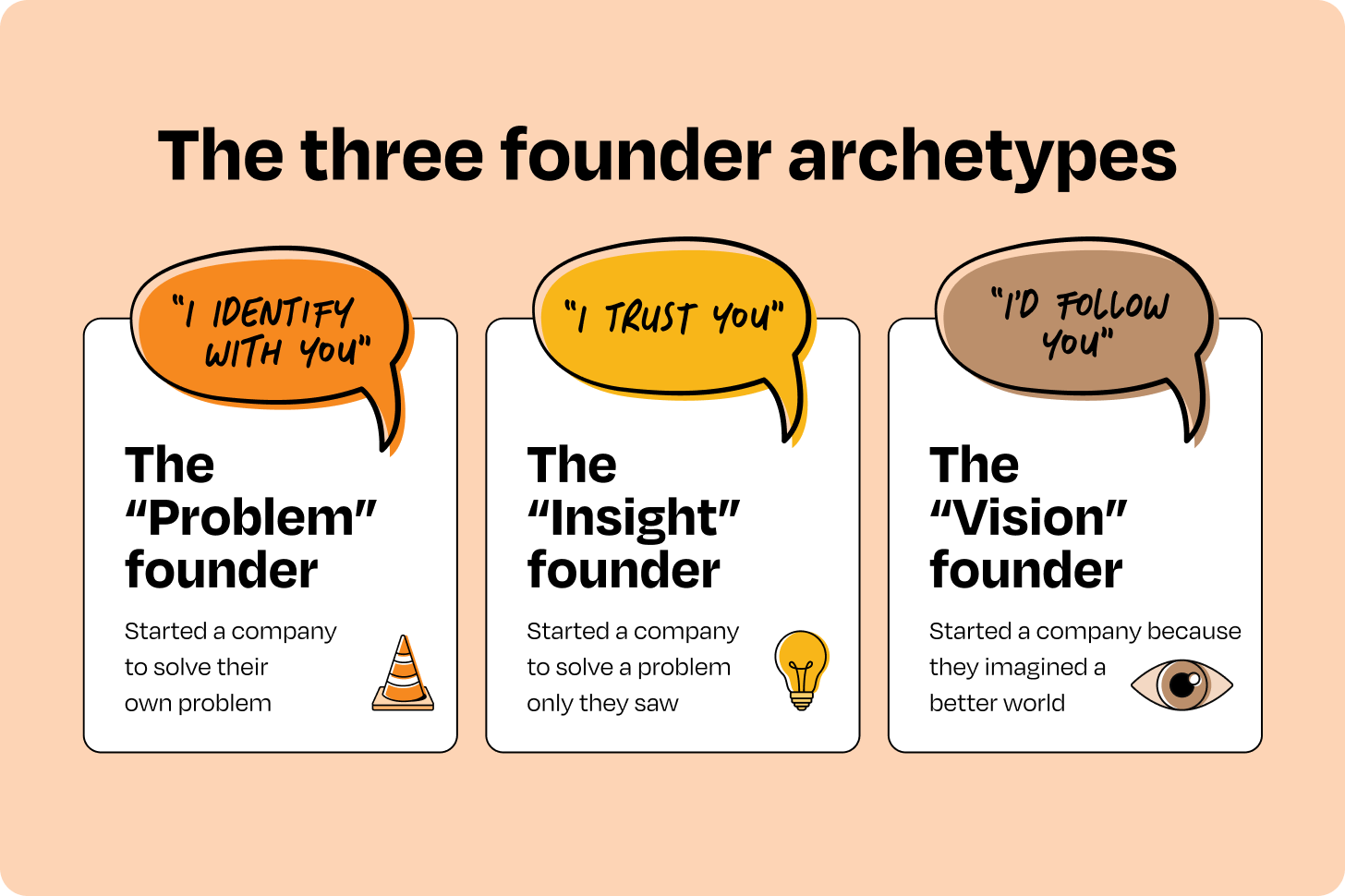
The Relentless Outsider
The first archetype is the Outsider. This is the founder who sees a system that is fundamentally broken and decides to fix it because they do not know any better. In the blockchain world, this is our bread and butter. You are not a veteran of the industry you are disrupting; you are the person who got frustrated by the friction, the gatekeeping, or the inefficiency.
For builders, this narrative works because it builds immediate trust with the user who feels the same pain. You are not selling a product; you are joining a rebellion. If you are an Outsider, your communication strategy should focus on the 'moment of clarity.' Talk about the specific instance where you realized the status quo was unacceptable. Do not lead with your resume; lead with your frustration. It makes you relatable, and in a market full of vaporware, relatability is a scarce commodity.
The Seasoned Expert
Then you have the Expert. This is the founder who has spent a decade in the trenches at a Big Tech firm or a legacy financial institution. You have seen the internal rot, you know where the bodies are buried, and you are building the solution that your previous employer was too slow or too stupid to create.
The risk for the Expert is sounding like a corporate drone. If you fall into this category, you need to pivot from 'I worked at Google' to 'I saw how Google failed you.' Your value proposition is authority. You are not guessing; you are implementing a solution based on deep, painful experience. Builders who lean into the Expert archetype provide a sense of stability. In the volatile world of AI and crypto, showing that you actually understand the underlying plumbing of the old world gives people the confidence to move into the new one with you.
The Visionary Dreamer
The third archetype is the Visionary. This is the hardest one to pull off without sounding like a cult leader. The Visionary is not reacting to a problem or fixing a legacy system; they are building toward a future that most people cannot see yet. This is the territory of the heavy hitters in AGI and decentralized governance.
If you are a Visionary, you have to be careful not to get lost in the clouds. Your story needs to be anchored by small, tangible milestones. People will follow a dreamer, but only if that dreamer shows they can actually ship code. Your narrative strategy here is about world-building. You are describing a future state of the world and inviting people to help you build the tools to get there. It is high-risk, high-reward, and it requires a level of conviction that most founders simply do not have.
Why Builders Struggle with This
I talk to founders every day who are terrified of being 'the face' of their project. They want to hide behind a whitepaper or a pseudonymous Twitter account. While privacy is a core tenet for many of us, humans are hardwired to connect with other humans, not protocols. Even if you are staying anonymous, your 'voice' needs to reflect one of these archetypes.
The mistake is trying to be all three. You cannot be the scrappy outsider and the seasoned expert at the same time. It creates cognitive dissonance for your audience. Pick the lane that feels most authentic to your journey and double down on it. If you started this project in a garage because you were broke and annoyed, own that. If you left a million-dollar salary to build this, own that. Authenticity is the only thing that scales in a world of AI-generated noise.
Turning Story into Strategy
Once you identify your archetype, every piece of content you produce needs to filter through it. Your documentation, your pitch decks, and your community updates should all reinforce that central identity. If you are the Outsider, your tone should be punchy and slightly irreverent. If you are the Expert, it should be precise and analytical.
This is not about 'personal branding' in the way influencers talk about it. It is about building a foundation of trust. In the early stages of a startup, you have no data, no revenue, and no track record. All you have is your story. If that story is cohesive, people will give you the benefit of the doubt. If it is muddled, they will move on to the next project in their feed.
The Takeaway for Founders
The technology you are building is the 'what,' but your founder archetype is the 'why.' Stop focusing exclusively on your tech stack and start focusing on your narrative stack. Identify whether you are the Outsider, the Expert, or the Visionary, and start telling the story of why you are the only person who could have built this. In a crowded market, the most technically sound project often loses to the one people actually believe in.
Building a startup is an exercise in persuasion. If you cannot make people care about your journey, they will never care about your product.
Read the original at Lenny's Newsletter →