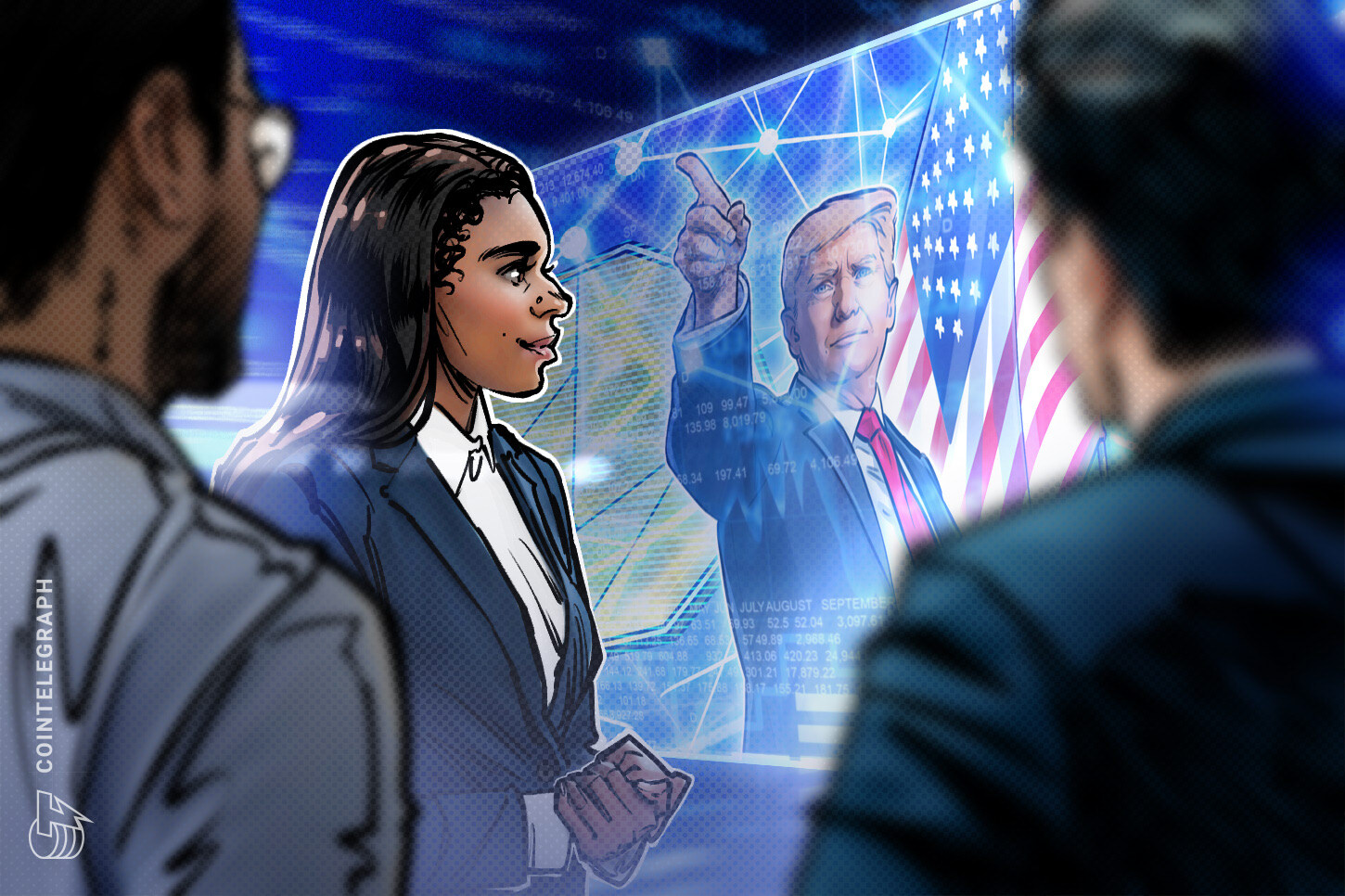
We need to talk about the optics of the latest Trump crypto dinner. The event, meant to celebrate the holders of Donald Trump’s Mugshot Edition NFTs, is running into a familiar problem in the blockchain space: the gap between who you think your users are and who they actually are. According to a recent analysis by Public Citizen, half of the wallets that qualified for this exclusive sit-down originated from offshore exchanges.
The Compliance Gap
The rules for the NFT drop were supposed to be straightforward. The marketing was aimed at U.S. residents. The legal disclaimers were designed to satisfy the SEC and other domestic regulators. Yet, when researchers looked at the 130 wallets that qualified for the dinner by purchasing 47 or more NFTs, the data told a different story. Out of 66 traceable wallets, about half were funded through exchanges like Binance and KuCoin—platforms that have famously restricted U.S. users or faced significant legal pressure for operating in the states without proper registration.
For builders, this is a cautionary tale about the illusion of geofencing. You can put up all the IP blocks and checkboxes you want, but crypto is a global, permissionless rail. If you launch a project with the intent of keeping it domestic, the burden of proof is on your onboarding process, not just your terms of service. Trump's team marketed these to patriots and local fans, but the money trail leads to Seychelles and Malta.
The Proxy Problem
This isn't necessarily a smoking gun of foreign interference, though the political spin doctors will certainly try to make it one. More likely, it’s a symptom of the proxy problem. Experienced crypto users often maintain accounts on offshore exchanges to access higher leverage, a wider array of altcoins, or simply to bypass the friction of U.S. banking integrations. When a high-profile NFT drop happens, these users don't open a new Coinbase account; they just send ETH from where they already have it.
However, from a founder's perspective, this creates a massive liability. If you are running a project that involves physical meetups or political implications, knowing the source of your funds is non-negotiable. If half your 'VIPs' are coming from non-U.S. exchanges, you aren't just hosting a dinner; you are managing a potential AML nightmare. This is the friction between the 'move fast' ethos of NFTs and the 'comply or die' reality of U.S. politics.
Why Builders Should Care
If you're building a dApp or a token project today, you probably think your KYC is 'good enough.' It likely isn't. The Public Citizen report highlights how easy it is to link a 'private' wallet back to a centralized point of failure. The blockchain is a permanent ledger of your compliance failures. For the Trump camp, these wallets are now public record, and every single one of them can be used as leverage by opposition researchers or regulators.
We have to move beyond the idea that a wallet address is a ghost. In a world where chainalysis tools are becoming more accessible, the 'source of wealth' for your holders is public metadata. If you are targeting a specific jurisdiction, you need to be proactive about verifying that your users actually live there. Otherwise, you end up with a guest list that looks like a map of international tax havens.
The Utility Trap
The Trump NFTs were sold with 'utility'—dinner with the former President, pieces of his suit, and various digital perks. This is where things get legally gray. Once you attach physical rewards to digital tokens, you are no longer just selling art; you are selling a service. If the people buying that service are doing so via offshore channels to circumvent domestic laws, the issuer is the one who eventually gets the bill.
Builders often get blinded by the mint numbers. They see the ETH flowing in and think the launch was a success. But the real work starts after the mint. You have to ask yourself: who is actually in my discord? Who is coming to my events? If you don't know, you're building on sand. The Trump team likely didn't vet the funding sources of these wallets; they just looked at the token counts. That's a mistake that most founders can't afford to make.
The Hard Reality
Let’s be honest: crypto remains a Wild West for political fundraising and celebrity endorsements. The tech is lightyears ahead of the policy. This dinner list is just the latest example of how difficult it is to enforce borders on a borderless technology. You can't put a fence around a public key.
If you are a founder, take this as a signal to tighten your ship. Use tools that can flag high-risk exchange origins before you promise physical utility. It might slow down your mint, but it will save your company when the regulators start asking for the guest list. The days of 'don't ask, don't tell' in crypto funding are over, especially if your project has a political or high-profile face attached to it.
The blockchain is the ultimate truth machine, but sometimes that truth is inconvenient for your marketing department.
We are entering an era of hyper-transparency. What worked in 2021—ignoring where the money comes from as long as it arrives—is a death sentence in 2024. Whether you like Trump or hate him, his NFT project is providing a free case study in how not to manage the intersection of crypto and real-world compliance.
The Takeaway
Compliance isn't just about checkboxes; it's about the provenance of your community. If you can't verify where your holders are coming from, you don't own a community—you own a liability. Stop focusing on the total value locked and start focusing on the quality of your compliance. In the end, the ledger always speaks the truth, and right now, it's saying that the world of 'America First' NFTs is being funded by the rest of the world.
Read the original at Cointelegraph →