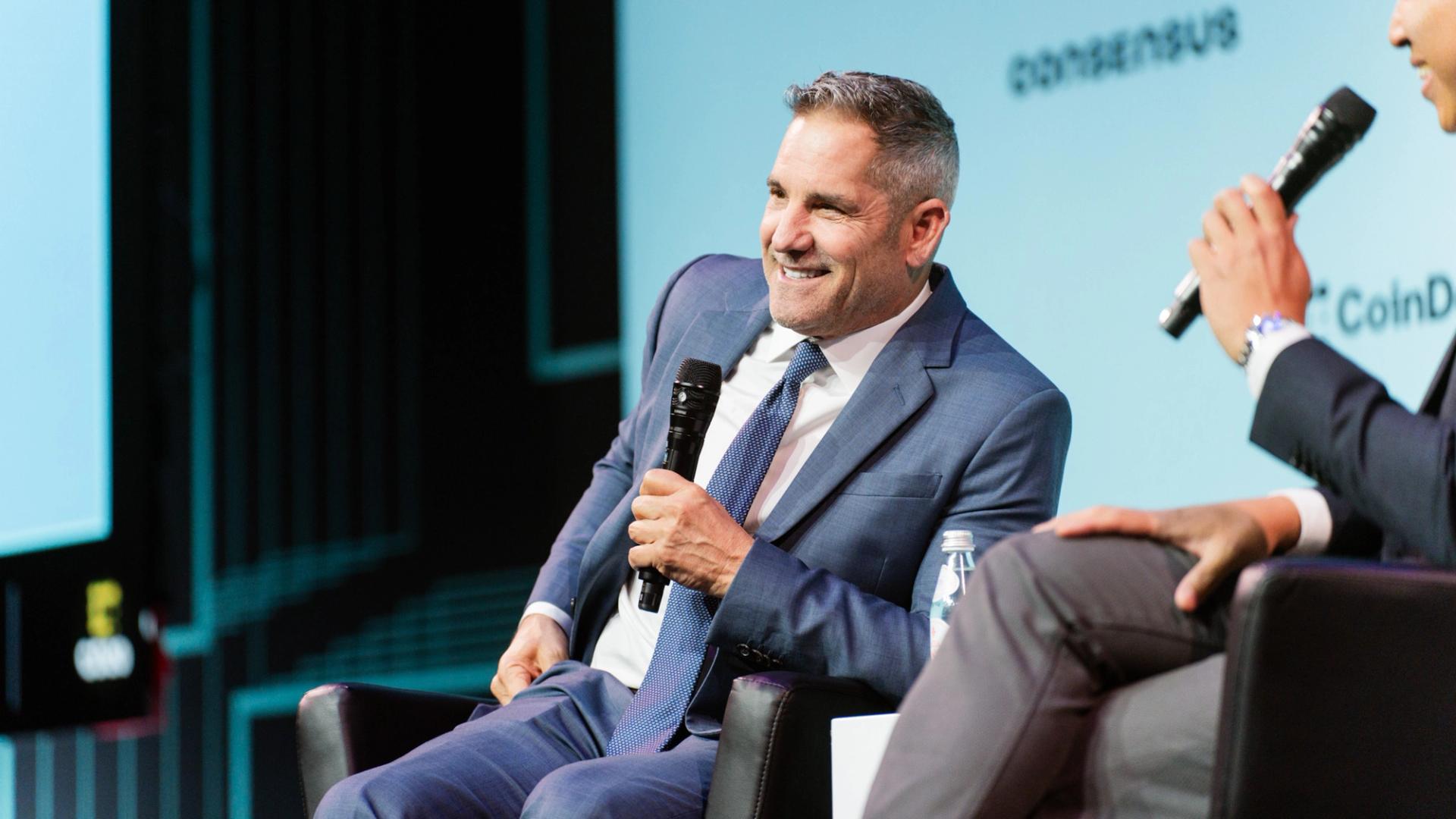
Grant Cardone is moving cash flows from multifamily real estate into Bitcoin. He is framing his firm as a treasury company backed by physical assets rather than equity dilution. Most people see this as a speculative gamble, but the reality is much more clinical for anyone building a business today.
The death of the stagnant balance sheet
The hard truth is that holding cash is now a liability. For twenty years, operators were taught that a healthy balance sheet meant a mountain of fiat sitting in a high yield savings account. That era is over. When a real estate mogul publicly pivots to using rent checks to buy a digital asset, he is signaling that the denominator is broken. The dollar is a melting ice cube, and if you are an operator sitting on a pile of it, your purchasing power is evaporating while you sleep. Cardone is not just buying an asset; he is opting out of a currency system that penalizes savers. If you are a founder, you have to realize that your treasury strategy is now just as important as your product roadmap. You can build the best company in the world, but if your profits are stored in a debasing currency, you are running on a treadmill that is moving faster than you can sprint.
Capital efficiency versus capital preservation
The deeper problem here is the psychological trap of "safe" investing. Most founders think that once they make money, they should put it somewhere boring. They think diversification is a shield. In reality, diversification is often just a way to ensure you never outperform the rate of inflation. Cardone’s move highlights a massive shift in how serious investors view risk. In his case, the risk isn't Bitcoin’s volatility; the risk is the guaranteed loss of value in the legacy financial system. By using cash-flowing property to fund Bitcoin purchases, he is creating a two headed monster. The real estate provides the floor and the cash flow, while the Bitcoin provides the asymmetrical upside. Most builders are too focused on the next quarter to see that their long term net worth is being cannibalized by monetary policy. If you do not have a mechanism to capture value outside of the traditional banking system, you are essentially working for the bank.
True wealth is built by owning the pipes that move the money and the assets that the money can't print into insignificance.
The treasury as a product
We are seeing the emergence of the "Treasury First" company model. CoinDesk reported that Cardone is framing his model as a treasury company backed by property rather than stock sales. This is a framework that every founder needs to study. Traditionally, you sell stock to grow. You dilute your ownership to get the capital to compete. Cardone is doing the opposite. He is using the generated yield of his primary business to acquire a hard asset. This creates a feedback loop. As the hard asset appreciates, the company's borrowing power and collateral value increase, which allows for more real estate acquisitions, which generates more cash flow to buy more Bitcoin. This is a flywheel that does not require him to go back to the venture capital well or the public markets for a handout. It is an aggressive play for total sovereignty.
- Stop treating your treasury as an afterthought or a "savings account" for rainy days.
- Identify which assets in your portfolio are productive (cash flow) and which are defensive (value storage).
- Evaluate your cost of capital against the real rate of inflation, not the reported numbers.
Execution speed and regulatory moats
Regulation is often viewed as a hurdle, but for those who move first, it is a moat. Cardone is betting that the regulatory environment will eventually catch up to his pace of accumulation. By the time the rules are written and the "safe" institutional money arrives in mass, the price of entry will be significantly higher. This is pattern recognition at its finest. I have seen this cycle repeat since 2007. The people who wait for the green light from every three letter agency are the same people who end up buying the top. Operators who understand how to navigate the gray areas of regulation while maintaining an aggressive accumulation strategy are the ones who dominate the next cycle. You do not market your way out of a brand problem, and you do not "safe" your way out of a currency collapse. You execute with speed and conviction while others are still reading the fine print.
The leverage of physical certainty
There is a specific genius in backing digital assets with physical real estate. Real estate is slow, heavy, and geographically locked. Bitcoin is fast, light, and borderless. By bridging these two, you get the stability of the physical world with the velocity of the digital world. This is not about "crypto" or "web3" fluff. This is about basic mechanics. If you own the roof over someone's head, you have a recurring revenue stream. If you convert that revenue into an asset with a fixed supply, you are effectively shorting the dollar with maximum leverage. Founders who are solely focused on digital software with no physical moat or hard asset backing are vulnerable. You need a tether to the physical world to survive the volatility of the digital one.
The Takeaway
The era of the passive balance sheet is dead, and sovereignty is the new gold standard for operators. You cannot rely on traditional banking systems to preserve the value of the work you do today. Audit your company’s treasury, identify your primary cash flow engine, and start allocating a percentage of that yield into a hard asset that cannot be manipulated by third parties.