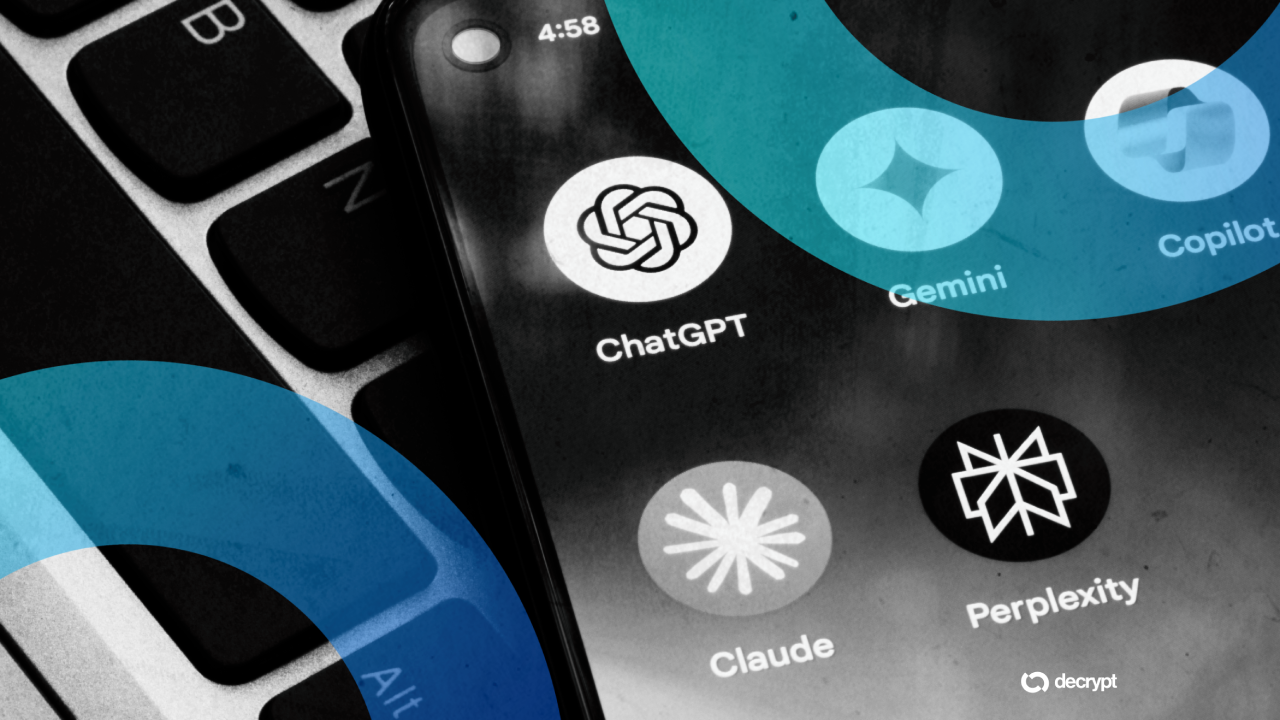
We are back at the crossroads. Every few months, the two biggest names in the space drop a new model, and the cycle of benchmarks and hype begins again. This time, it feels different. We aren't just looking at incremental speed increases or larger context windows. We are looking at a fundamental divergence in how these models think and how they expect us to work with them.
The Core Disconnect
As a founder, I care about reliability. I care about whether a tool is going to save my team four hours of work or give me four hours of debugging. OpenAI’s latest, GPT-5.6 Sol, is clearly doubling down on the ecosystem. It feels like a piece of infrastructure designed to be an orchestrator. On the other side, Anthropic has released Claude Fable 5, which feels more like a specialist coworker.
The common mistake people make is looking at these through the lens of a better search engine. They aren't search engines. They are logic engines. And the logic behind Sol and Fable 5 is fundamentally different. One is trying to be your entire operating system, while the other is trying to be your best writer and researcher.
GPT-5.6 Sol: The Integrated Giant
OpenAI has reached a point where the model itself is almost secondary to the tooling around it. Sol is fast—uncomfortably fast. It handles multi-modal inputs with a level of fluidity that makes previous versions feel like dial-up. If you are building an application that requires constant, real-time feedback loops between vision, voice, and text, Sol is the clear winner.
However, there is a catch. Sol still has that characteristic OpenAI personality. It’s a bit over-eager to please. It tends to provide the answer it thinks you want rather than the cold, hard truth. For builders, this means you have to spend more time on guardrails. You have to prompt it to be critical of itself. It’s a powerful engine, but it requires a very experienced driver to keep it from veering into hallucinatory territory when the tasks get complex.
Claude Fable 5: The Nuanced Alternative
Anthropic has doubled down on what they call constitutional AI, and with Fable 5, it shows. This model feels more human in its reasoning. If Sol is a high-speed processor, Fable 5 is a deep thinker. When you give it a messy, 50-page technical document and ask for a gap analysis, it catches things that Sol misses because it isn't rushing to finish the sentence.
For those of us in the crypto and AI space where precision matters—especially when auditing code or drafting legal frameworks—Fable 5 is the more trustworthy partner. It isn't as flashy. It doesn't have the same level of seamless app integration that OpenAI offers. But its internal consistency is significantly higher. It says no when it should. It admits when a prompt is ambiguous instead of guessing.
The Tech Debt of Choice
Choosing between these two isn't just about a monthly subscription fee. It’s about technical debt. If you build your entire startup’s workflow around the GPT API, you are buying into the OpenAI roadmap. You are betting that their rapid-fire release schedule and aggressive feature expansion will outpace the competition. You are also betting that you won't get burned by their frequent shifts in model behavior.
If you go with Fable 5, you are choosing a more stable, albeit slower-moving, environment. Anthropic seems to value the enterprise dev who needs things to stay the same for more than three weeks at a time. The trade-off is that you might miss out on some of the more experimental “magic” that OpenAI pushes out to the public first.
Coding and Technical Utility
Let’s talk about the actual work. If you are using these for coding, the gap is narrowing, but the styles remain distinct. Sol is incredible at boilerplate. If you need to scaffold a new React project or write a series of unit tests, it will do it in seconds. Its ability to reference its own knowledge base of documentation is top-tier.
Fable 5, however, is better at architectural logic. When I ask it to find a vulnerability in a smart contract or to explain why two specific libraries might be clashing in a build, its explanations are more coherent. It doesn’t just give you the fix; it explains the systemic reason for the failure. As a builder, that education is more valuable than just getting the code to run.
The Reality for Builders
Most of the marketing talk around these models focuses on how they can write poems or summarize emails. That’s noise. For the people actually building the next generation of the web, the choice comes down to two factors: reliability and integration.
- Choose GPT-5.6 Sol if: You are building consumer-facing apps that need high-speed, multi-modal interaction and you have the resources to build heavy validation layers.
- Choose Claude Fable 5 if: You are doing high-stakes research, deep technical writing, or complex logic auditing where the cost of being “mostly right” is too high.
We are seeing a shift where the “best” model is no longer a consensus. It depends entirely on your specific vertical. My team uses both, but we use them for very different things. We use Sol for the grunt work and Fable for the thinking. That might be the most expensive way to do things, but in a market this competitive, it’s the only way to stay ahead.
What This Means for the Market
The fact that we have two models this powerful competing head-to-head is great for us. It prevents a monopoly on thought. OpenAI is pushing the envelope on what is possible, and Anthropic is pushing the envelope on what is responsible. This tension is where the real progress happens.
Expect to see more specialized versions of these models soon. The era of the “General” AI is starting to fade as people realize that a master of all trades is rarely a master of the specific niche you actually get paid for. The winners won't be the people who have a subscription to the most expensive model; it will be the founders who know exactly which tool to pick for the specific problem they are solving at 2:00 AM.
Keep your stacks flexible. Don't lock yourself into one ecosystem yet. The landscape is still shifting, and being able to pivot between Sol and Fable might be your biggest competitive advantage.
Read the original at Decrypt →