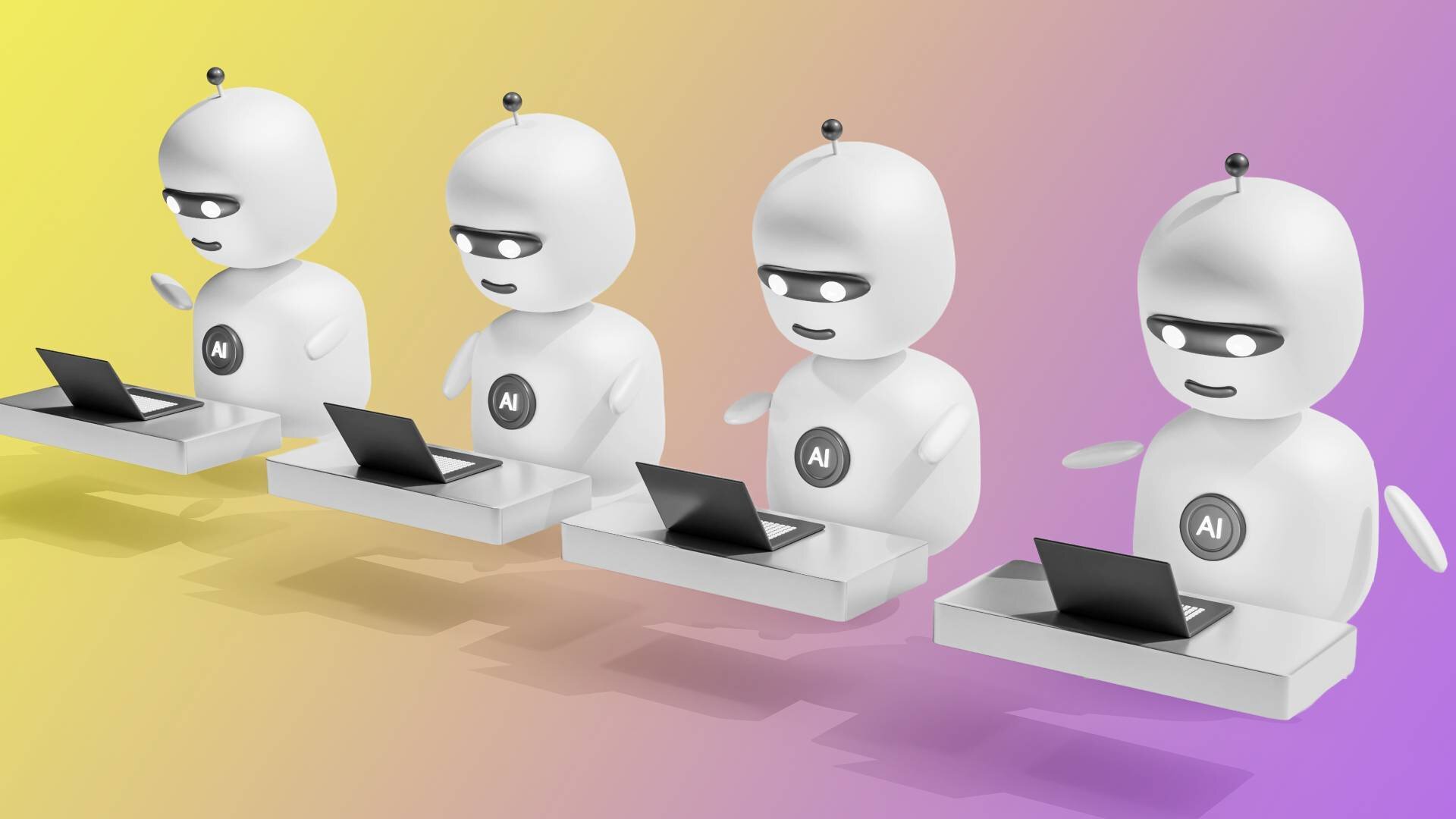
Google Cloud just made a move that signals the end of the AI chatbot era and the beginning of the AI employee era. They aren't just giving Gemini more memory or better reasoning; they are giving it a seat at the table. Literally. The latest update allows Gemini agents to have their own corporate email addresses and calendars, effectively onboarding them as digital coworkers rather than software tools.
For those of us building in the space, this is a massive shift in how we think about product-market fit. We’ve spent years getting used to the 'prompt and response' loop. You ask a question, you get an answer. You move on. Google is betting that the real value lies in persistence—agents that don't wait for you to type, but work in the background for days at a time to achieve a high-level goal.
The Shift to Goal-Oriented Architecture
Most AI today is reactive. It reacts to your query. Google Cloud is pitching a version of Gemini that is proactive. Instead of asking a question, a founder or manager provides a goal. The agent then takes that goal, breaks it down into tasks, and executes them over a period of time. This is the difference between hiring a consultant to write a report and hiring an intern to manage a project.
The inclusion of a dedicated email address is the most telling part of this rollout. It suggests that AI needs a persistent identity within a corporate ecosystem to be truly useful. By giving an agent an inbox, Google is solving the integration problem. The AI can receive updates, respond to threads, and schedule meetings just like a human staffer. It lives where the work happens, rather than sitting in a separate browser tab.
What This Means for the Modern Builder
If you are a founder, this changes your roadmap. We are moving away from building wrappers around LLMs and moving toward building infrastructure that supports these persistent agents. The challenge isn't just about how smart the model is; it’s about how well the model can navigate the friction of a real-world workflow. A model that can email a vendor to check on an order status is infinitely more valuable to a business than one that can just summarize the invoice.
However, we should be skeptical of the 'magic' being sold here. Persistence introduces a new set of risks. If an agent is working in the background for three days, how do you course-correct? If it has its own email, who is legally responsible for the commitments it makes? These are the questions builders need to answer before this becomes a standard part of the tech stack.
The Identity Problem in Enterprise AI
Giving an AI an email address isn't just a gimmick; it’s a solution to the permissioning nightmare. In most enterprise environments, access is tied to an identity. By making Gemini an 'employee' with an identity, Google allows it to bypass the need for complex API integrations for every single tool. If the AI has a login, it has access to the documents and communications it needs to do its job.
This is a shortcut, but a clever one. It treats the AI as a user rather than an application. For developers, this might feel like a step backward in terms of clean systems architecture, but for business owners, it’s a friction-killer. It means you can deploy an agent in minutes by simply adding a new user to your workspace.
The Persistence Trap
We need to talk about the reality of 'background work.' Most current LLMs struggle with drift. The longer a task takes, the more likely the AI is to hallucinate or get stuck in a recursive loop. Google’s promise that Gemini can work for days on a single goal assumes they have solved the long-term planning problem. As someone who has tested these agents, I can tell you we aren't quite there yet.
Builders should focus on 'human-in-the-loop' checkpoints. Even if the AI has its own inbox, a human manager needs to be able to audit the outbox. The goal shouldn't be total autonomy, because total autonomy in current AI usually leads to total chaos. The sweet spot is delegated execution with transparent reporting.
Why Founders Should Pay Attention
If you’re building a startup right now, you need to ask if your product is a tool or a teammate. The market is moving toward teammates. People are tired of learning how to use new software; they want software that knows how to do the work for them. Google is using its massive distribution through Workspace to make this the default expectation.
This also opens up a massive opportunity for niche agents. A 'Gemini Coworker' is a generalist. There is still plenty of room to build specialized agents—the AI bookkeeper, the AI compliance officer, the AI lead generator—that plug into this same email-based identity framework.
The Skeptic's Corner
Let's be honest: Google has a history of launching ambitious features that don't always land. Making an AI a coworker sounds great in a press release, but the technical debt of managing a fleet of digital employees is going to be significant. Companies will need new ways to monitor these agents, new ways to secure their credentials, and new ways to fire them when they fail.
We also have to consider the cost. Persistent agents that run for days require massive compute. Google Cloud isn't doing this out of the goodness of their hearts; they are looking for ways to increase consumption of their hardware. As a founder, you need to watch your margins here. It’s easy to let an agent run wild and rack up a bill that exceeds the value of the work it actually performed.
The Takeaway
Google is shifting the AI narrative from 'search and chat' to 'identity and action.' By giving Gemini an email address and a calendar, they are defining the agentic workflow as one that mimics human behavior. For builders, the message is clear: stop building tools that require users to do work, and start building agents that take the work off their plate. Just make sure you build in the guardrails to keep those digital coworkers from breaking the business while you're asleep.
The future of work isn't humans using AI; it's humans managing a team of AIs that have their own identities and responsibilities within the company.
Read the original at Decrypt →