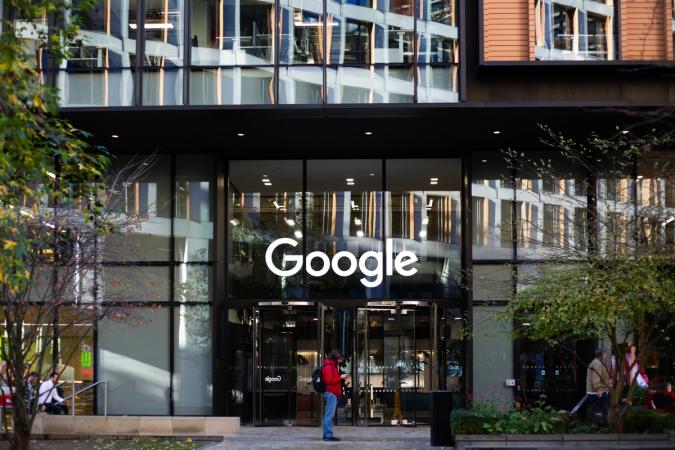
Google is finally showing its hand in the digital asset security space. The tech giant has started a private preview of its Multi-Party Compute (MPC) system, a move that signals a major shift in how the world’s largest cloud providers view the risks of holding crypto. It isn't just a side project; Alphabet is reportedly using the tech to secure its own holdings on Ethereum and Solana.
The Infrastructure Play
For years, the narrative around Google and crypto was mostly about cloud credits for startups or node hosting. This is different. By building an MPC-based custody layer, Google is addressing the single biggest point of failure for any founder: private key management. In the old days, you had cold storage or a hardware security module. Today, that isn't enough when you’re dealing with automated, AI-powered exploits.
MPC works by breaking a private key into multiple shards. No single entity holds the whole key, and the key is never reconstructed in one place to sign a transaction. It’s a math-heavy solution to a very human problem. Google entering this space means they think the existing solutions from specialized crypto firms aren't scalable enough for the next wave of institutional money.
Why Now? The AI Threat
The timing here isn't accidental. We are seeing a massive surge in AI-driven social engineering and automated vulnerability scanning. If you’re a builder, you know that the traditional perimeter is dead. An AI can mimic a CEO’s voice or generate a perfectly believable phishing email in seconds. If your security relies on a human not making a mistake, you’ve already lost.
Google’s pitch is that they can bake security into the infrastructure level. By leveraging their global scale, they want to make high-grade custody as easy to deploy as a standard database. For founders, this is a double-edged sword. On one hand, you get world-class security. On the other, you’re further entrenching your stack into a centralized cloud provider.
What This Means for Builders
If you are building a fintech app or a DeFi protocol, you need to look at three things regarding this news:
- Lowering the Barrier to Entry: Small teams can now theoretically access the same security primitives as a Tier 1 bank without building a custom vault from scratch.
- Regulatory Comfort: Regulators love names they recognize. Having "Google" on the security audit makes the compliance conversation significantly easier for founders looking to bridge the gap to traditional finance.
- The Cost of Convenience: Google doesn't do anything for free. While this might save you on dev hours now, you are building on a proprietary black box. If Google decides to change their terms of service or de-platform certain types of crypto activity, you are stuck.
The Competitive Landscape
This move puts Google on a collision course with companies like Fireblocks, Coinbase Custody, and Anchorage. These firms have spent years building trust in the crypto-native world. Google is betting that for the next billion users, "Google-grade security" will carry more weight than being "crypto-native."
I’ve seen plenty of founders get burned by relying on a single provider for everything. The smart move here is to watch how Google handles the interoperability of these shards. If you can’t move your keys out easily, you aren't a customer; you’re a hostage.
The real test for Google won't be the technology—MPC is well-understood math. The test will be their appetite for the regulatory heat that comes with being a custodian.
The Solana and Ethereum Connection
The fact that Alphabet is using this for their own assets on Ethereum and Solana is the most interesting part of the story. It shows they aren't just selling a shovel; they are digging the hole themselves. It validates these networks as institutional-grade infrastructure. If the most data-hungry company on earth trusts these chains enough to hold assets on them using their own internal tools, it changes the risk profile for every other enterprise observer.
The Skeptic’s View
We should be careful not to mistake infrastructure for decentralization. Google providing custody tools is great for adoption, but it does nothing for the core ethos of the space. In fact, it might hurt it. If 80% of institutional crypto is eventually sitting in Google, AWS, and Azure vaults, we’ve just rebuilt the old banking system with faster settlement times.
For a founder, the goal should be to use these tools to get to market, but always have a path toward true self-sovereignty. Don't let the convenience of a Google dashboard make you lazy about your core architecture.
The Takeaway
Google’s entry into MPC custody is a signal that the "experimental" phase of digital assets is over for Big Tech. They see a massive revenue opportunity in securing the world’s on-chain wealth against AI-enhanced threats. For builders, this is a powerful new tool in the shed, but it comes with the standard big-tech trade-offs. Use it for the scale and the security, but don't forget why we started building on blockchains in the first place.
Read the original at CoinDesk →