The Corporate Treasury Pivot
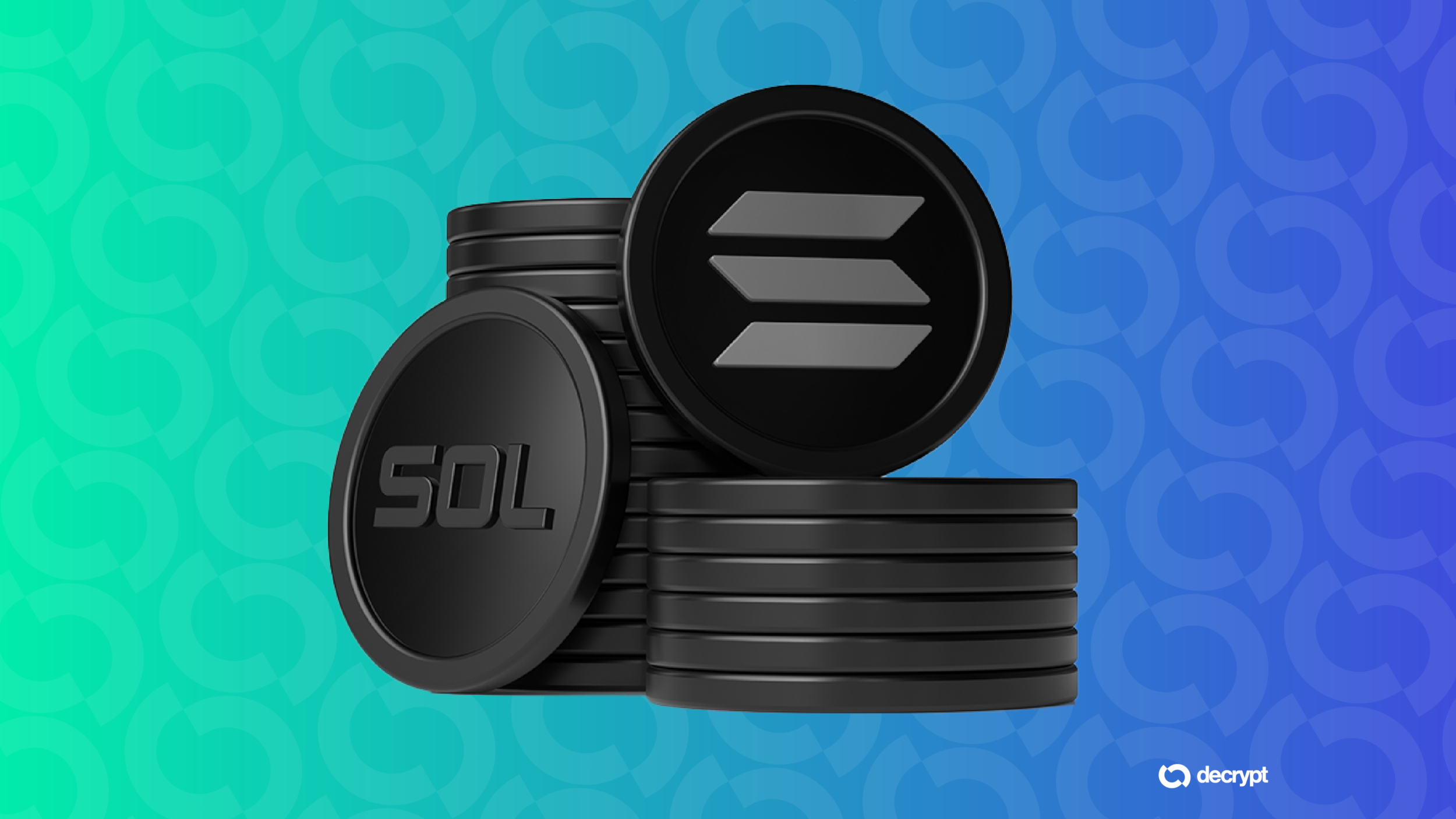
Lately, the playbook for enterprise growth has shifted from traditional product R&D to aggressive balance sheet management. We saw it with MicroStrategy and Bitcoin, and now we are seeing a similar movement within the Solana ecosystem. Forward Industries recently made waves by announcing a massive addition to its treasury: over 500,000 SOL tokens. At current market rates, that is a roughly $38 million bet on a single network.
When a publicly traded company decides to move that kind of capital into a volatile digital asset, the market reacts. Forward Industries saw its shares jump as investors scrambled to price in the value of the underlying crypto. But as a builder, I look at this differently. This is not just a stock price pump; it is a fundamental shift in how companies are aligning themselves with specific blockchain rails.
Understanding the Bet on Solana
Solana has consistently pitched itself as the high-performance, low-latency home for the next generation of decentralized apps. For a firm like Forward Industries to lock up millions in SOL, they are doing more than just speculating on price. They are essentially buying a massive stake in the network's future utility. If Solana becomes the base layer for global finance or retail applications, a treasury of this size provides immense leverage.
However, we have to look at the risks. Most traditional finance analysts view this as a high-beta play. If Solana experiences network instability or a broader market correction, Forward Industries' valuation is no longer tied to its core business operations. It becomes a proxy for the SOL token. This transparency is great for crypto-natives, but it creates a rollercoaster ride for traditional equity holders who might not be prepared for 20% swings in a single afternoon.
What This Means for Ecosystem Builders
If you are building on Solana, this news is a double-edged sword. On one hand, it validates the network. Seeing institutional-grade treasuries move into SOL suggests that the days of Solana being viewed as a experimental playground are over. This is serious capital. It provides a level of legitimacy that helps founders when they are pitching to non-crypto VCs or trying to recruit talent from Big Tech.
On the other hand, it increases the pressure on the core developers and the validator set. When public companies have millions of dollars on the line, the tolerance for downtime or technical debt drops to zero. The stakes are much higher now. We are moving out of the "move fast and break things" phase and into the "don't break the treasury" phase. Builders need to be aware that the eyes on their code are becoming increasingly professional and litigious.
The Risk of Centralized Holdings
One concern I always have with these massive treasury moves is the centralization of supply. When a few large entities hold significant portions of a circulating supply, the market becomes fragile. While Forward Industries is signaling long-term bullishness, any future liquidation event to cover operating costs or debt would create significant sell pressure. For developers building DeFi protocols or liquidity pools, these large-scale holders represent a systemic risk that must be modeled into their risk parameters.
- Increased Volatility: The stock and the token are now tethered, creating feedback loops that can be hard to predict.
- Validation of Infrastructure: Significant treasury buys suggest the network is mature enough for public company audits.
- Pressure on Reliability: The demand for 100% uptime becomes a non-negotiable requirement for institutional trust.
The Founder Perspective
As a founder, I appreciate the boldness. It takes guts to pivot a balance sheet this heavily into an asset that most of Wall Street still considers a gamble. But we must be honest about the motivation. Is this a strategic move to integrate Solana technology into the company's long-term product roadmap, or is this a shortcut to boost share prices in a stagnant market? History in the crypto space shows that treasury-first strategies only work if the underlying tech survives the bear cycles.
If Forward Industries starts building tools or services that actually utilize those 500,000 SOL tokens—perhaps for staking, governance, or powering internal applications—then we have a real story. If they are just holding it as a digital gold play, then they are simply a crypto fund with a manufacturing shell. We need to see more from these companies than just buy orders. We need to see them become active participants in the ecosystem they are betting on.
Wait and See for the Market
The immediate stock spike is a dopamine hit for shareholders, but the real test comes six to twelve months from now. How does the company handle the tax implications? How do they report these assets to the SEC? More importantly, how does this affect their ability to innovate in their primary industry? When your net worth is tied to a volatile token, it is very easy to get distracted by the chart and lose sight of the customer.
The move by Forward Industries is a signal that Solana has arrived as a corporate asset class, but it also marks the beginning of a new era of scrutiny for the network and its supporters.
For those of us on the ground, the mission remains the same. We build, we test, and we try to create value that exists regardless of what a treasury department decides to do. If the corporate money brings more resources and better tools, I am all for it. But I won't be checking the stock price every five minutes. There is too much work to be done to worry about the fluctuations of a public company’s balance sheet.
Read the original at Decrypt →