The Illusion of Digital Ownership
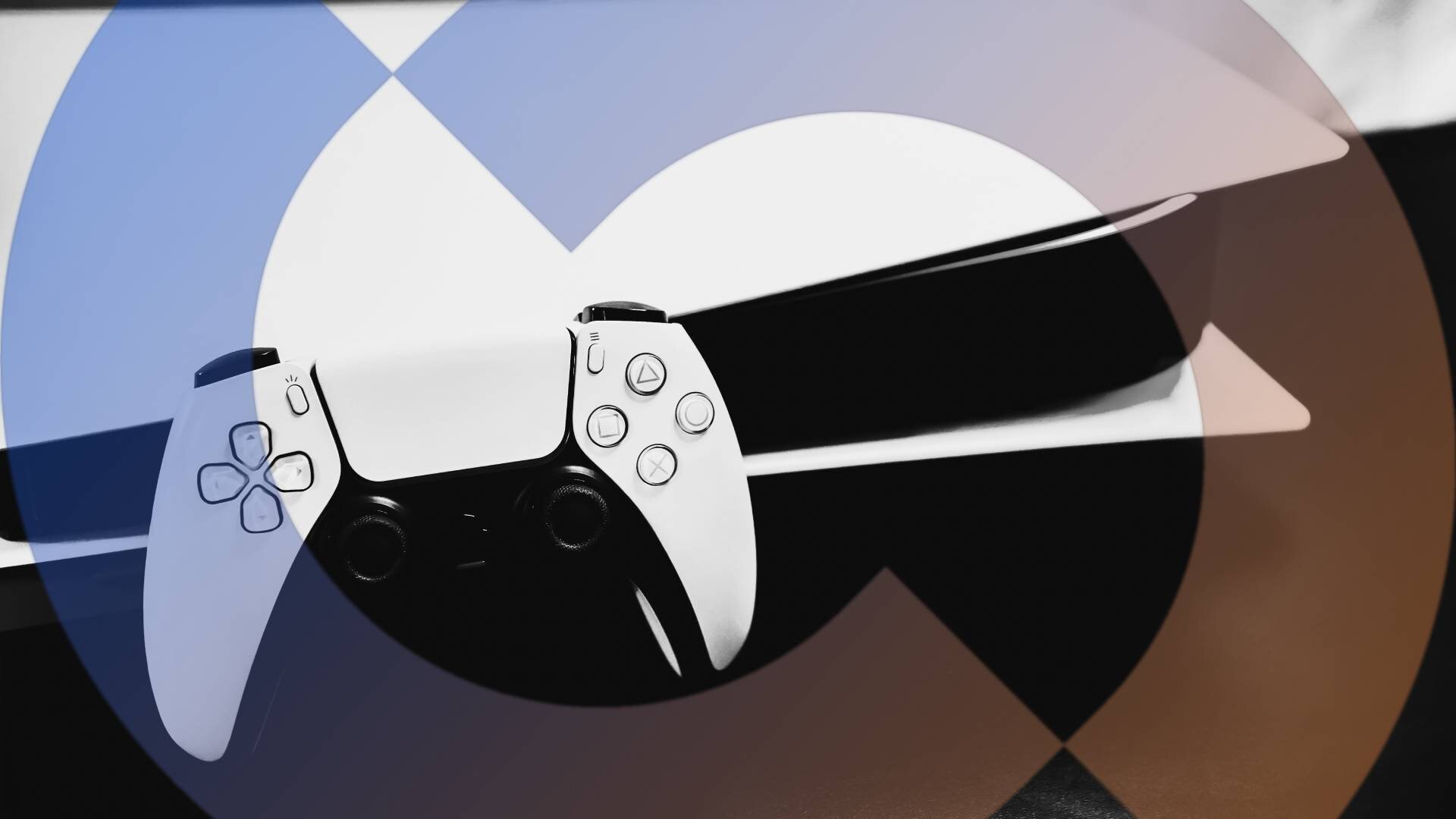
Sony is preparing to sunset physical media production by 2028. For anyone paying attention to the hardware cycle, this was predictable. For those of us building in the tech space, it serves as a stark reminder of the fragile contract between platforms and their users. When you take away the disc, you take away the property right. You are essentially trading a lifetime asset for a temporary license that can be revoked at the whim of a corporate legal team.
A former high-ranking executive from PlayStation recently spoke out against this move, highlighting the reputational risk Sony is taking. It’s not just about nostalgia for plastic boxes. It’s about the shift from owning a product to renting access. This is the central conflict of the modern digital economy, and it’s why the builders in the web3 and AI space are so obsessed with decentralization. We’ve seen this movie before, and it usually ends with the consumer losing access to what they paid for.
The Logistics of Control
From a manufacturing standpoint, killing the disc makes sense for Sony’s bottom line. Logistics, shipping, and retail margins disappear. They get to keep a larger piece of the pie and control the storefront entirely. If the only way to buy a game is through the PlayStation Store, Sony controls the price, the timing, and the distribution. There is no secondary market. There is no lending a game to a friend. There is no selling it back to a shop when you’re done.
For founders, this is the ultimate walled garden. It’s a closed-loop system where the platform holder has absolute power. While this looks great on a quarterly earnings report, it builds massive resentment in the user base. We are seeing a growing segment of the population that is tired of the "everything as a service" model. They want to own their data, their assets, and their entertainment. By removing the physical option, Sony is forcing users into a relationship based on permission rather than possession.
What This Means for Digital Builders
If you are building in the crypto or AI space, you should be looking at Sony’s move as a roadmap of what not to do if you want to maintain long-term trust. The push for digital sovereignty isn't just a buzzword; it’s a direct reaction to moves like this. When a giant like Sony decides that your library only exists as long as their servers are powered on, it creates a massive opportunity for alternative models.
- Asset Portability: If the platform dies, the assets shouldn't die with it. Builders need to focus on interoperability.
- True Ownership: Using blockchain technology to verify ownership isn't just about trading jpegs; it's about ensuring that a digital purchase has the same weight as a physical one.
- User Autonomy: Platforms that allow users to exit with their data or assets will always win the trust battle over closed ecosystems.
Sony is betting that convenience will outweigh the desire for ownership. For most casual users, they might be right. But for the core enthusiasts—the people who drive the culture—this feels like a betrayal. It’s a message that your $70 purchase is actually just a long-term rental.
The Reputation Tax
The former exec’s criticism centers on the idea of reputational damage. Brands take decades to build and only a few short-sighted quarters to erode. By leaning into a disc-less future, Sony is signaling that they care more about digital rights management (DRM) and profit margins than the legacy of their players' collections. This creates a vacuum. It opens the door for competitors or new technologies to step in and offer the permanence that Sony is discarding.
In the world of AI, we see similar trends with model access. You might build your entire workflow on a specific API, only for the provider to change the terms or deprecate the model. It’s the same underlying problem: dependency. Whether it's a video game or a large language model, if you don't control the underlying infrastructure, you don't really own the output.
The Founders Takeaway
We are moving toward a world where "physical" is becoming a premium tier. But the lesson for founders isn't that you should keep making plastic discs. The lesson is that if you are building a digital-first product, you must provide a way for your users to feel a sense of permanence. If your users feel like they are just guests in your ecosystem, they will never be your advocates. They will just be customers until something better—or more honest—comes along.
The move to kill discs isn't about innovation; it's about the final transition from a product-based economy to a permission-based economy.
As we head toward 2028, expect more pushback. The friction between corporate control and user sovereignty is only going to get louder. For those of us building the next generation of tech, the goal should be to give the power back to the individual. Sony is moving in the opposite direction. They are betting that once the discs are gone, we’ll forget we ever owned anything at all. I wouldn’t take that bet.
Read the original at Decrypt →