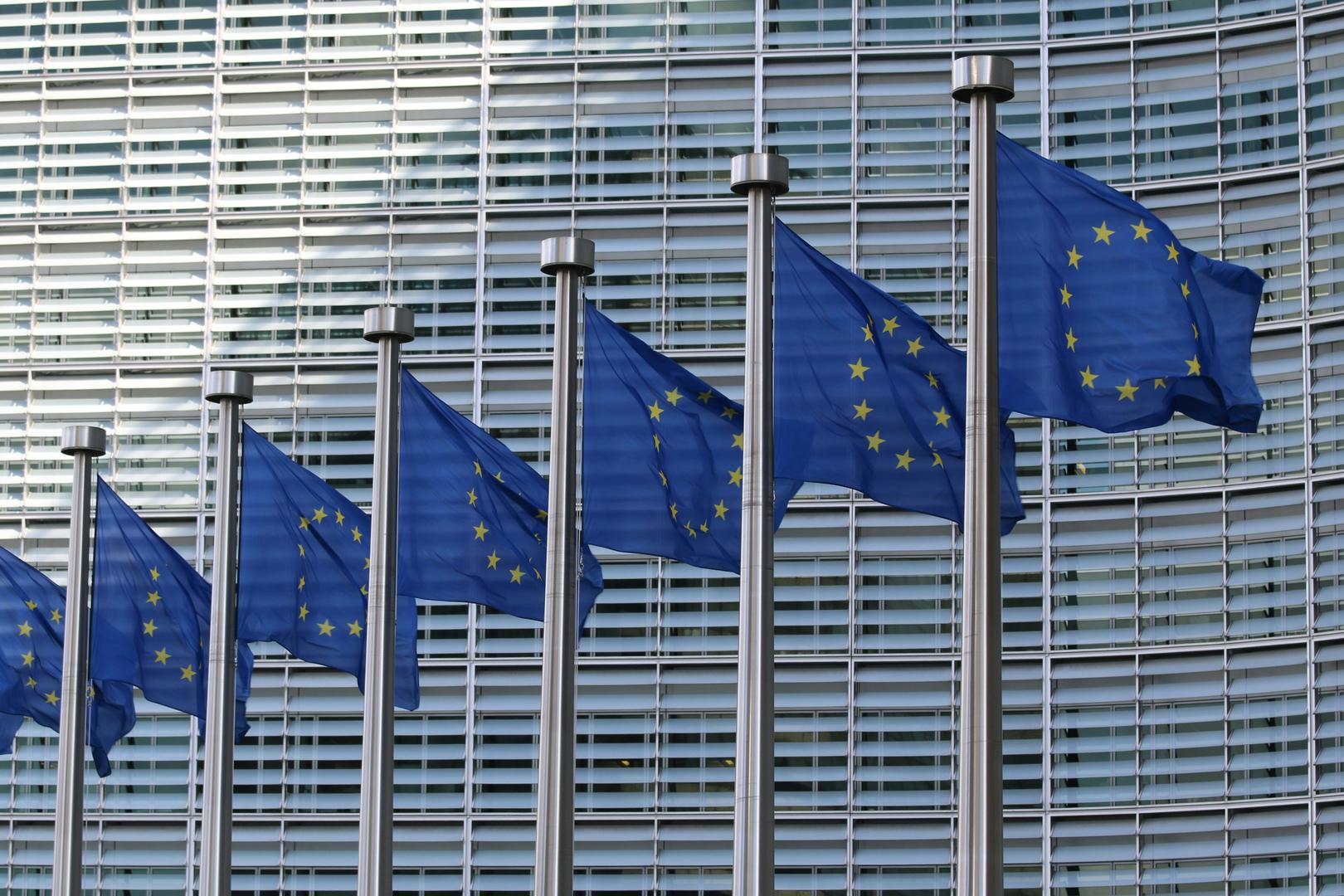
The European Union just dropped its 21st sanctions package against Russia. This time, the focus isn't just on energy or traditional banking. The crosshairs are locked on what the EU describes as a $120 billion crypto network. For founders and developers in the space, this marks a shift in how regulators view the periphery of the crypto ecosystem. They aren't just looking at the big exchanges anymore; they are going after the connectors.
The Expansion of Reach
For the first time, we are seeing the EU consider banning third-country crypto service providers. This is a massive escalation. Until now, the regulatory burden was mostly on entities operating directly within the bloc. Now, the EU is signaling that if you facilitate transactions for sanctioned regions, it doesn't matter where your server is located or where your legal entity is registered. If you touch the European financial system or serve its citizens, you are on the hook.
There are 14 specific crypto companies being targeted in this initial wave. The EU hasn't named them yet, which is a classic psychological move. It keeps the industry on edge. It forces compliance departments to scramble and review every single partnership and liquidity provider they have. If you are a builder, this ambiguity is your biggest enemy. You can't fix what you can't see, but you can certainly get burned by it.
The $120 Billion Question
The number being thrown around is $120 billion. That is not small change. It suggests that despite all the talk of crypto being transparent and traceable, a massive amount of value has been moving through alternative channels. For the skeptical founder, this is a double-edged sword. On one hand, it proves the utility of the technology for moving value when traditional rails are cut off. On the other hand, it justifies the absolute hammer that regulators are now bringing down on the industry.
This isn't just about stopping a few wallets. This is about dismantling the infrastructure that allows these wallets to off-ramp into usable fiat or other assets. By targeting service providers in third-party countries, the EU is attempting to create a jurisdictional wall. They are looking to isolate the Russian economic activity by making it toxic for anyone elsewhere in the world to touch it.
The Risk for Global Builders
If you are building a decentralized protocol or a cross-border payment solution, this news should change your risk assessment. The idea that you can avoid regulation by staying out of the EU or the US is dying. We are entering an era of extraterritoriality where the major economic blocs will dictate the rules for the global internet, whether we like it or not.
The concern here is the precedent. Today it is Russia. Tomorrow, it could be any region or group that falls out of favor with the EU leadership. For builders, the technical challenge is now a legal one: how do you maintain the permissionless nature of a protocol while ensuring that the service providers interacting with that protocol don't get shut down by an 800-page sanctions document?
- Counterparty Risk: You need to know who is providing your liquidity.
- Jurisdictional Strategy: Operating from a "neutral" country no longer provides the shield it once did.
- Infrastructure Resilience: If 14 major players get taken out of the mix tomorrow, does your app still work?
The Enforcement Reality
Sanctions are only as good as their enforcement. In the traditional world, it is easy to freeze a bank account. In crypto, it is harder to freeze a smart contract, but it is very easy to blacklist a front-end or pressure an ISP to block an IP range. The EU is likely planning to use a mix of both. By targeting the companies—the human beings behind the code—they are going for the leverage points where crypto meets the real world.
The names of these 14 companies will eventually leak. When they do, expect a domino effect. Other service providers will cut ties immediately to avoid being included in the 22nd package. This creates a narrowing of the funnel. The number of entry and exit points for the crypto ecosystem is getting smaller, and the remaining ones are becoming more heavily guarded.
A Founder's Perspective
I’ve always said that builders should focus on the tech and let the lawyers handle the rest. But we are past that point. As a founder, you have to be your own first line of defense. You need to understand the flow of funds within your own ecosystem better than the regulators do. If you are building tools that can be easily co-opted for sanction evasion, you are painting a target on your back.
This isn't about being pro-EU or pro-Russia. It's about reality. The reality is that the era of the "wild west" crypto startup is over. The regulators have caught up, and they are using their most powerful tool: the ability to cut you off from the global economy. If you want to survive, you have to build with compliance as a feature, not an afterthought.
The EU is no longer just watching the gates; they are hunting the people building the roads outside the city.
The takeaway for the industry is clear. Compliance is no longer a regional department; it is a global requirement. If you are part of a network that facilitates $120 billion in unauthorized flows, the EU doesn't care about your decentralization whitepaper. They care about the fact that you are a node in a system they want to dismantle.
Watch those 14 names closely. They will tell us exactly where the line is being drawn. Until then, audit your partners, verify your flows, and stop pretending that being "offshore" is a valid legal strategy in 2024.
Read the original at CoinDesk →