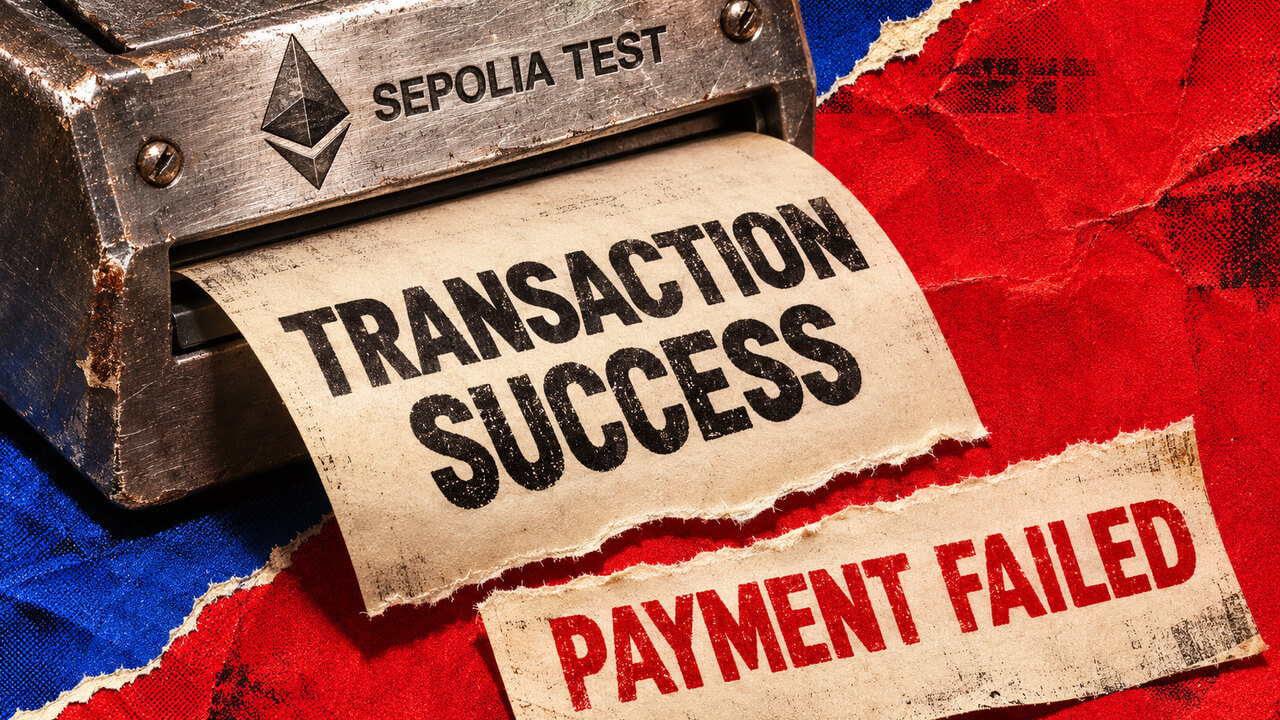
We talk a lot about the 'roadmap' in Ethereum. Usually, that means scaling, cheaper fees, or some new buzzword for data availability. But for those of us building on the ground, the real story is often in the plumbing. Recently, a simulation of the upcoming Glamsterdam ruleset, specifically focusing on Juicebox V6, uncovered something that should make every founder pause: a flaw that allows transactions to essentially skip the bill.
This isn't a hack in the sense of a bridge exploit or a private key theft. It is a logic failure. It is what happens when the core protocol evolves faster than the smart contracts sitting on top of it can adapt. If you are building a protocol that relies on enforced payment flows, this is your wake-up call.
The Glamsterdam Ghost
The issue came to light through developer-led simulations. The team at Juicebox, a platform known for its treasury management and crowdfunding tools, ran tests against the proposed Glamsterdam execution environment. They found four specific scenarios where a transaction could be processed while bypassing the intended payment logic. In short, the value moved, but the fee or the payment trigger didn't.
For a founder, this is a nightmare scenario. Imagine you have built a business model where a small percentage of every transaction sustains your development team or pays out your liquidity providers. If a user can trigger the core action of your contract without hitting the 'pay' function, your entire economic model collapses. This test shows that even on a network as battle-tested as Ethereum, the transition between upgrades can create these temporary pockets of vulnerability.
Why Builders Should Care
We often treat the Ethereum Virtual Machine (EVM) as a static set of rules. It isn't. It is a living piece of software. When EIPs (Ethereum Improvement Proposals) change how gas is calculated, how state is accessed, or how transactions are sequenced, it ripples through every line of Solidity code ever deployed.
The Juicebox findings matter because they aren't theoretical. They are concrete cases added to the compatibility review. It highlights a recurring theme in the 'builder-first' world: the burden of security is shifting. It is no longer enough to audit your code once and forget it. You have to audit your code against the future state of the network.
- Payment Integrity: If your protocol relies on enforced revenue sharing, you need to verify how your triggers behave under new execution rules.
- State Access Costs: Many of these 'missed payment' bugs stem from how the network handles state changes during a transaction's lifecycle.
- Testing Environments: If you aren't running simulations against upcoming testnets like Glamsterdam, you are flying blind.
The Skeptic's View
Let’s be honest for a second. The Ethereum community loves to move fast and break things, but when we are talking about billions of dollars in TVL, 'breaking things' isn't an option. The fact that these flaws were found in a simulation is a win for the process, but it raises a larger question: how many other protocols are currently sitting on a ticking time bomb because they haven't run these specific simulations?
We have seen this before. Every time there is a hard fork, a handful of older contracts become 'bricks' or develop weird edge cases. The difference now is the complexity. We aren't just sending ETH anymore; we are managing complex multi-sig treasuries, automated market makers, and cross-chain messaging. The surface area for these logic gaps is expanding exponentially.
The Technical Friction
The Juicebox V6 simulations specifically looked at how transactions interact with payment paths under the new rules. The 'missed payment' paths occur when the execution flow finds a shortcut—a way to satisfy the network's consensus requirements without triggering the specific internal contract calls that handle the money. It’s like finding a back door into a club where the bouncer is only checking the front entrance.
This isn't necessarily a 'bug' in Ethereum itself. It is a compatibility gap. The network is doing exactly what it is told to do under the new rules. The problem is that the contract's assumptions about how those rules work are now outdated.
What to Do Now
If you are a founder or a lead dev, you can't afford to wait for the mainnet upgrade to see if your code holds up. You need to be proactive.
The biggest risk in crypto isn't a market crash; it's a protocol upgrade that turns your 'secure' code into a charity.
First, get your team on the latest testnets. If Juicebox found four ways to skip payments, there are likely dozens more across different protocol architectures. Second, simplify your payment logic. The more complex your internal calls are, the more likely they are to be bypassed when the underlying execution rules change. Third, stop assuming that 'immutable' means 'indestructible.' If the ground beneath your contract shifts, the immutability of the code won't save the treasury.
The Real Takeaway
Ethereum is growing up, and growing pains are messy. The discovery of these four missed-payment paths is a reminder that the EVM is a moving target. For builders, the lesson is clear: don't just build for the Ethereum of today. You have to build for the version of Ethereum that doesn't exist yet, or at the very least, be ready to pivot when the simulations start showing cracks in the foundation.
We need more teams like Juicebox doing the heavy lifting of public simulations. It’s not glamorous work, and it doesn't pump a token price, but it is the only thing keeping the ecosystem from a catastrophic failure of logic. Stay skeptical of your own code, and keep testing.
Read the original at CryptoSlate →