The Era of Complexity Debt
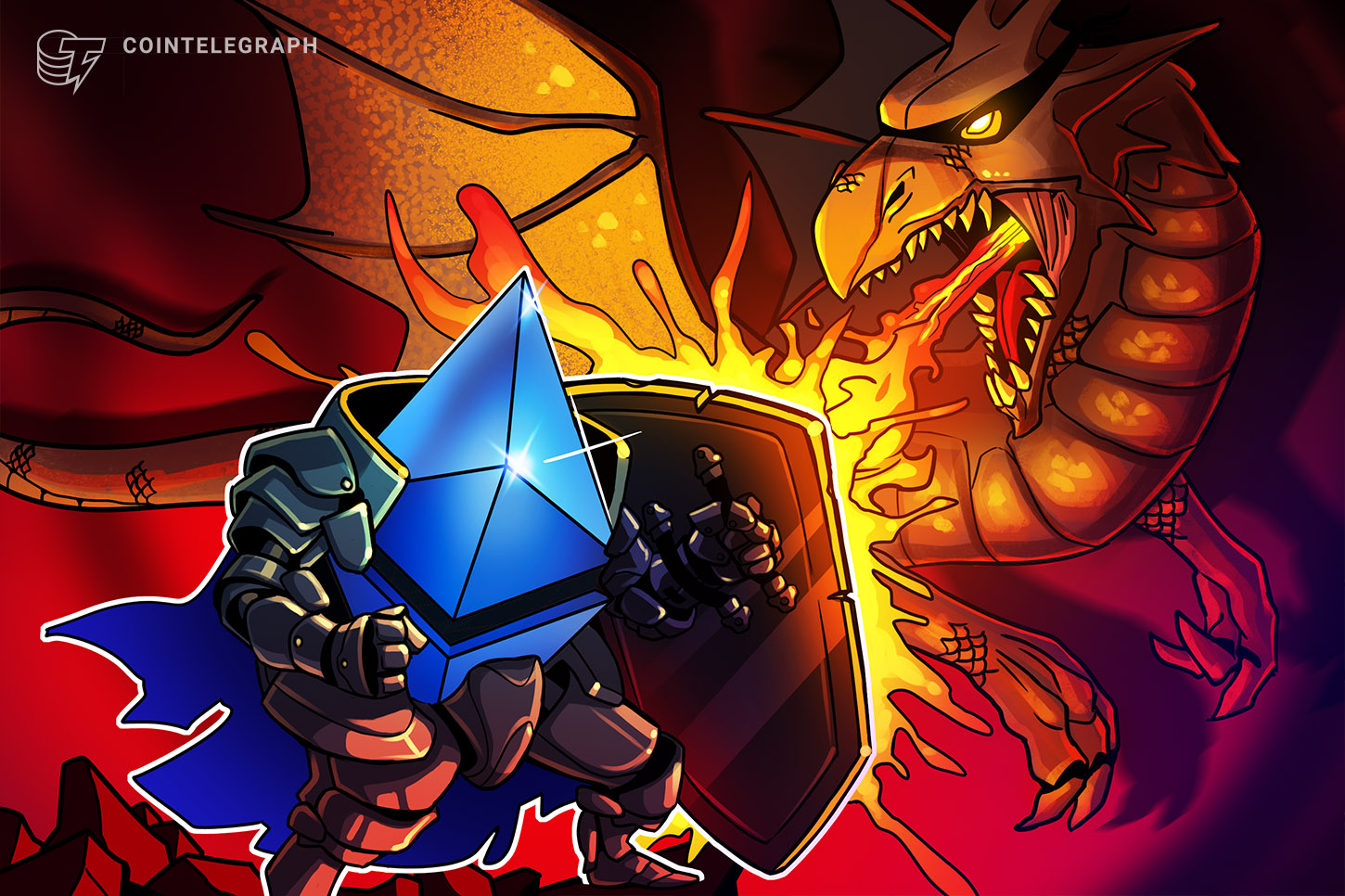
Building on Ethereum used to feel like working on a predictable, if slightly slow, construction site. You knew the tools, you knew the limits, and you knew the timeline for the next major change was measured in years, not months. That comfort zone is officially gone. The Ethereum Foundation just signaled a massive shift in their defensive posture, doubling the size of its internal protocol security team. This isn't just a routine hire; it is a defensive fortification against what they are calling a transition more difficult than the Merge.
For those of us in the trenches building dApps and infrastructure, this should be a wake-up call. When the people holding the blueprints tell you the next phase is going to be high-risk, you listen. The foundation is admitting that the sheer pace of development required to keep Ethereum competitive is creating a breeding ground for bugs. We are entering an era where technical debt isn't just a nuisance—it is a systemic risk.
Beyond the Merge
We often talk about the Merge as the ultimate technical feat of the crypto era. Switching a live, multibillion-dollar engine from one fuel source to another without stopping the car was impressive. But the roadmap ahead—specifically the push toward Pectra and the eventual integration of Verkle trees—is proving to be a different beast entirely. The foundation is worried about the surface area for attacks. Every new optimization for scalability or data availability adds a layer of complexity that can hide vulnerabilities.
The security team expansion is focused on internal audits and proactive threat modeling. In the past, Ethereum relied heavily on third-party auditors and the bounty of the crowd. While that still exists, the core developers realize they need a dedicated, standing army that understands the deep-level protocol logic better than any external contractor could. They are shifting from a 'check-the-box' security mindset to a continuous integration model.
The Quantum and AI Shadow
Two major external forces are driving this urgency: the looming threat of quantum computing and the rise of AI-driven exploit generation. While quantum-resistant cryptography feels like a problem for the 2030s, the foundation is treating it as a design requirement for today. If the underlying signature schemes need to be swapped out, the protocol needs to be robust enough to handle that surgery without hemorrhaging liquidity.
On the AI front, we are seeing tools that can scan smart contracts for vulnerabilities in seconds. The same tech that helps us write code faster is helping bad actors find the cracks in the foundation faster. By beefing up the security team now, the EF is trying to ensure that the protocol's core logic is vetted by humans who can think laterally, not just by automated scanners. For builders, this means the 'move fast and break things' ethos is becoming increasingly dangerous. If the base layer is this concerned about safety, your application layer should be twice as cautious.
What This Means for Founders
If you are running a project on Ethereum, this shift in the Foundation's tone should change your development roadmap. Here is how I see it impacting the builder community:
- Audit Timelines: Expect the best security researchers to be even busier. As the EF sucks up top-tier talent into their internal teams, the pool of high-quality external auditors will shrink.
- Integration Risks: The 'Pectra' upgrade and subsequent hard forks will likely introduce breaking changes or subtle shifts in gas costs and opcode behavior. You cannot assume your legacy code will behave the same way in eighteen months.
- Security as a Feature: Users are getting smarter. In a world where the EF is shouting about security, projects that don't prioritize their own internal audits will look like laggards.
We are seeing a move toward formal verification as a standard, rather than a luxury. If the core protocol is moving toward a more rigorous security model, the middleware and application layers will eventually be forced to follow suit by insurance providers and institutional partners.
The Skeptic's View
Let's be honest: doubling a team is often a sign that things were under-resourced to begin with. The EF has been criticized for being too academic and moving too slowly, but this hiring spree suggests they realize the 'slow' approach hasn't actually prevented the accumulation of complexity. They are playing catch-up with their own roadmap. The 'harder than the Merge' rhetoric might be a way to manage expectations in case the next few upgrades face significant delays.
As a founder, I'm glad they are taking this seriously, but it also makes me wonder if the Ethereum roadmap has become too bloated. If you need to double your security staff just to keep up with the changes you are proposing, perhaps the changes are becoming too convoluted for the average developer to reason about. We have to ask: at what point does the pursuit of the 'perfect' protocol make the network too brittle for the people actually building the apps?
The Takeaway for Builders
The Ethereum Foundation is signaling that the 'easy' part of the roadmap is over. We are moving into a high-stakes phase where protocol-level bugs are a statistical probability rather than a remote possibility. For builders, this means your focus should be on resilience and modularity. Don't marry yourself to specific protocol quirks that might be abstracted away or secured in the next overhaul.
The takeaway is clear: Security is no longer a phase of the development cycle; it is the entire cycle. If the shepherds of the network are this worried about the wolves, you should be checking your fences every single day. The next two years will define whether Ethereum can scale safely or if it will buckle under the weight of its own ambition.
Read the original at Cointelegraph →