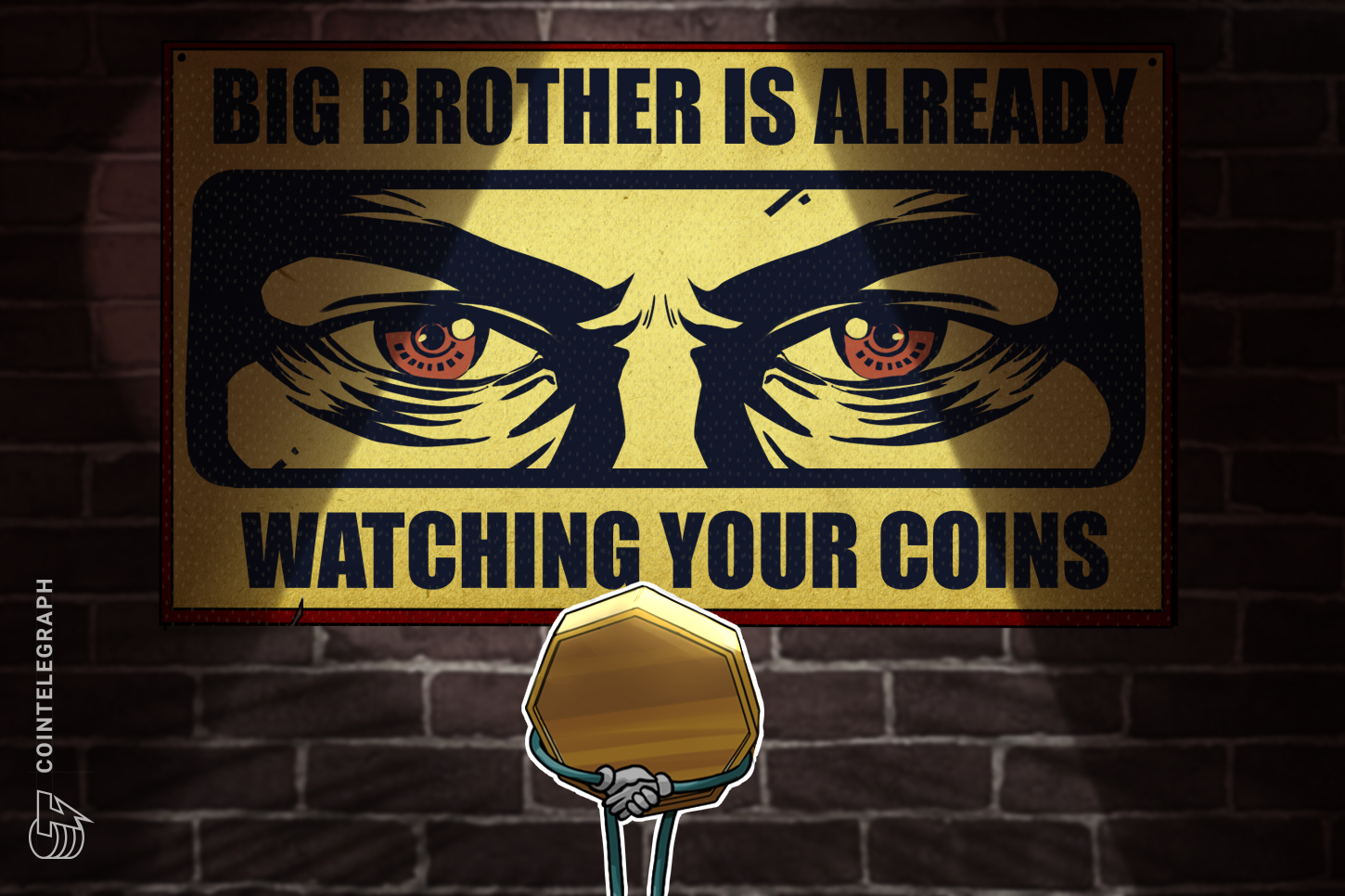
The Era of Scrutiny Begins
For the last few years, European crypto founders have been playing a game of legislative musical chairs. Everyone was bracing for the Markets in Crypto-Assets Regulation, or MiCA, to fully land. Now that the framework is active, the European Securities and Markets Authority (ESMA) is moving from the high-level theory of regulation down into the grimy, technical details of how things actually work. Specifically, they are looking at custody.
As someone who has followed the infrastructure side of this industry for a long time, this transition matters more than the initial law-making. Anyone can hire a compliance officer to fill out forms, but it is a lot harder to explain to a regulator exactly how your key management system handles a catastrophic hardware failure. ESMA has signaled that they are moving beyond the surface level, and builders need to pay attention to three specific areas: key management, incident response, and the dangerous reliance on third-party tech stacks.
The Problem with Key Management
In the early days, custody was often just a guy with a Ledger in a safe. Today, it is a complex web of Multi-Party Computation (MPC), hardware security modules (HSMs), and cold storage protocols. ESMA is now asking for the receipts. They want to know not just that you have keys, but exactly how those keys are generated, stored, and rotated.
From a founder’s perspective, this is a double-edged sword. On one hand, it raises the barrier to entry for fly-by-night operations. On the other hand, it creates a massive documentation burden. If your startup is building a custodial wallet or a decentralized application that handles user funds, you can no longer treat 'security' as a vague marketing bullet point. You need to be able to map out every single touchpoint of a private key. If a regulator asks who has access to the sharded key fragments and why, 'trust us' is no longer an acceptable answer.
Incident Response is No Longer Optional
We have seen dozens of high-profile hacks where the response from the company was essentially a tweet saying, 'We are looking into it,' followed by three days of silence. ESMA is making it clear that this won't fly in the MiCA era. They are looking for proactive incident response plans that are tested and documented.
For builders, this means your devops team and your legal team need to be speaking the same language. It is not just about stopping a hack; it is about the disclosure timeline and the recovery process. A lot of startups focus 100% of their energy on prevention and 0% on what happens the day after the worst-case scenario. The regulators are effectively forcing us to grow up and adopt the same disaster recovery standards that traditional banks have used for decades. It is annoying, yes, but it is also what survives a bear market.
The Third-Party Trap
This is the part of the ESMA update that should make builders the most nervous. A huge portion of the crypto ecosystem is built on top of other people's technology. Maybe you use a white-label custody provider, or you rely on a specific cloud service for your validator nodes. ESMA is now scrutinizing these third-party dependencies.
If your entire business model relies on a single provider and that provider goes down or gets compromised, the regulator is going to hold you responsible, not the vendor. This 'onward risk' is something many founders ignore because it is convenient. We like things that are 'plug and play.' But ESMA is warning that if you don't have a contingency plan for your tech providers failing, you are a systemic risk. This may push more builders toward hybrid setups or multi-cloud strategies, which increases costs but improves the overall resilience of the network.
What This Means for Founders
If you are building in Europe, the honeymoon period of 'move fast and break things' with other people's money is officially over. The regulators are looking under the hood. They aren't just checking if you have a license; they are checking the code and the workflows that back that license. This is a shift from bureaucratic oversight to technical oversight.
For the honest builders, this is actually a competitive advantage. If you have spent the time to build a robust, transparent custody stack, these audits are where you win. It flushes out the competitors who were cutting corners and relying on security through obscurity. However, for early-stage teams, this means a larger portion of the seed round is going to go toward audits and infrastructure rather than just pure feature development. It is the cost of doing business in a regulated market.
A Necessary Hardening
I have always been a bit skeptical of heavy-handed regulation, but when it comes to custody, I can see the logic. We have seen what happens when custodians are sloppy. The industry loses billions, and the reputation of every builder in the space takes a hit. By focusing on the plumbing—the key management and the vendor dependencies—the regulators are forcing a hardening of the industry that we probably should have done ourselves years ago.
The takeaway for founders is simple: audit your own dependencies before the regulator does. If you can't explain your key recovery process to a non-technical person in five minutes, it’s probably too complicated or too fragile. If you don't know what happens to your users' funds if your main tech provider disappears tomorrow, you have a massive hole in your business model. Fix it now, or wait for the fine later.
Takeaway
- Technical audits are the new normal: Regulators are moving from checking licenses to checking key management workflows and hardware security protocols.
- Vendor risk is your risk: You cannot outsource your liability. Relying on third-party tech providers requires a documented backup plan and a deep understanding of their stack.
- Proof of Resilience: Success in the MiCA framework now depends on showing you can survive an incident, not just promising that one won't happen.
Read the original at Cointelegraph →