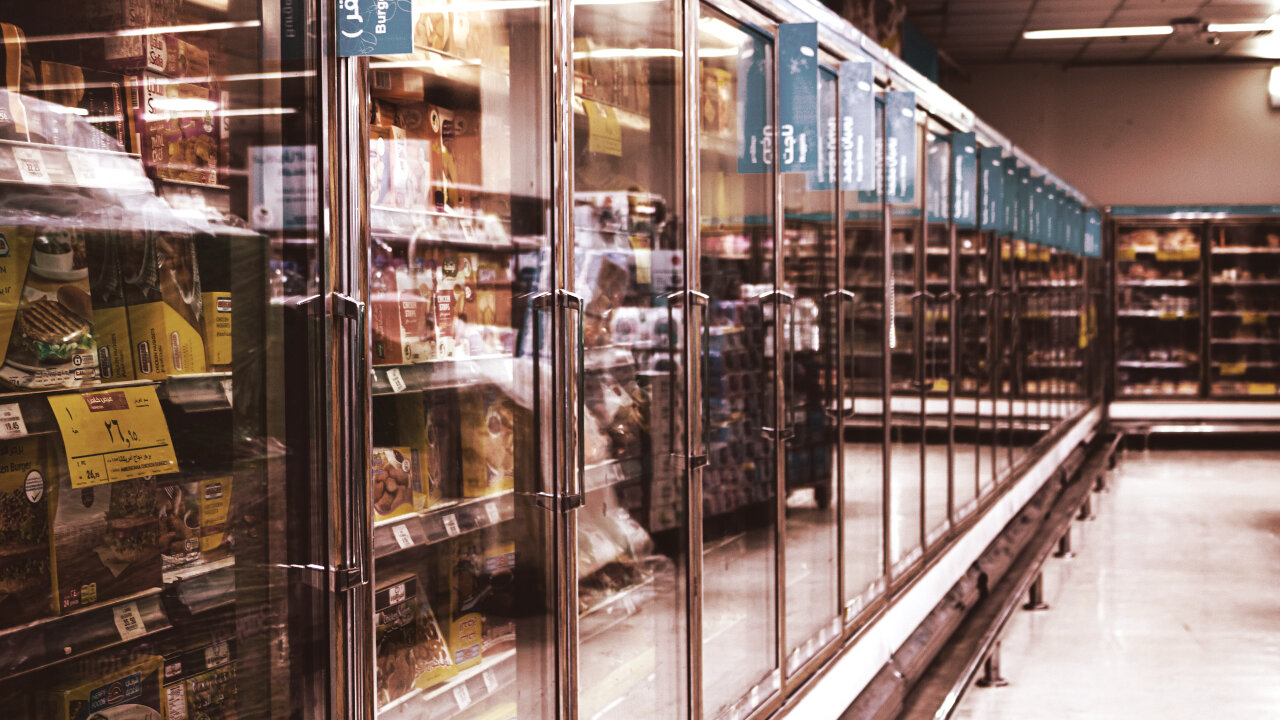
We have spent the last decade connecting every possible physical object to the internet. We were told this was the path to efficiency, energy savings, and data-driven management. But this week, the bill for that convenience came due across Europe. Supermarkets in ten different countries are watching their freezer sections melt down in a literal sense.
The Logistics of a Cold Chain Collapse
The reports coming out of the EU aren't just about a few broken sensors. We are looking at a coordinated incident where industrial refrigeration units are being pushed into defrost mode remotely. In some instances, internal temperatures reportedly spiked to 50°C. For anyone who has worked in retail or logistics, you know that this isn't just a technical glitch; it is a total inventory loss. When a commercial freezer hits those temperatures, every piece of stock inside is compromised. It is a massive waste of food and a crushing blow to the margins of these retailers.
The mystery right now is the motive. This doesn't look like a standard ransomware play where a hacker locks a system and demands Bitcoin. This feels more like a stress test of infrastructure vulnerabilities. It is a reminder that in our rush to automate, we have created a massive, unprotected attack surface in the physical world.
The IoT Security Debt
As a builder, this should be a sobering moment. For years, the IoT (Internet of Things) industry has been built on a foundation of 'ship fast and fix it later.' Security is often treated as a secondary feature rather than a core requirement. Most of these industrial systems are running on legacy protocols that were never designed for a public internet connection. They were meant to be on closed, local loops.
When companies started slapping Wi-Fi modules on these controllers to allow for remote monitoring, they didn't always implement robust encryption or multi-factor authentication. Now, someone has figured out how to send the 'defrost' command at scale. It is a classic example of security debt. We took the shortcut to get the data, and now we are paying for it with rotting produce and ruined compressors.
Why Builders Should Care
If you are building in the AI or crypto space, you might think a freezer hack in Poland or France doesn't matter to you. You are wrong. This is the ultimate proof of concept for why decentralized infrastructure (DePIN) and verifiable hardware matter. If these freezers were part of a more resilient, localized mesh or required cryptographic signatures for state changes, a mass-defrost event would be significantly harder to execute.
The current architecture of the world relies on centralized servers or poorly secured clouds managing physical assets. It is a single point of failure. When that cloud gets breached, or an API key leaks, the physical world breaks. Builders need to look at this and realize that the 'centralized dashboard' model of management is a liability, not just an asset.
The Human Element of the Hack
We also need to talk about the skepticism required when looking at these events. Is this a state actor? A bored group of hackers? Or a systemic failure in a specific software update that is being misreported as a hack? While the early indicators point to unauthorized access, the lack of a clear ransom demand is the strangest part. Usually, when you break something this expensive, you want a payout. Destroying food supplies across ten countries without a public manifesto or a wallet address suggests something more ominous: a capability demonstration.
This is what I call the 'Invisible Infrastructure' problem. We don't notice the systems that keep our world running until they stop. We don't think about the firmware in a supermarket freezer until the ice cream is soup. As founders, we have a responsibility to build 'Visible Infrastructure'—systems that are transparent in their security and resilient by design.
The Impact on Local Founders
For founders in the EU, this is going to lead to a wave of new regulation. Expect 'The Cyber Resilience Act' and similar mandates to get a lot more teeth. If your startup builds hardware or manages industrial data, your barrier to entry just got higher. You aren't just competing on features anymore; you are competing on the ability to prove you won't melt your customer's building.
We need to stop treating security as a line item and start treating it as the product. If your system can be exploited to cause physical damage, you haven't built a tool; you have built a weapon that someone else will eventually fire.
A Warning for the Future
What happens when this isn't freezers? What happens when it's the power grid, or the water treatment plants, or the autonomous delivery vehicles we are all so excited about? The 'Epidemic of Hacked Freezers' is a relatively harmless warning shot compared to what is possible. It is a loud, smelly, expensive wake-up call.
The takeaway for the builder community is simple: stop trusting the cloud to manage the physical world without local fail-safes. Every smart device should have a 'dumb' override. Every remote command should require more than a simple password. If we don't fix the way we connect our world, we are just building a more efficient way to break it.
The most dangerous thing in the world is a physical system that thinks its security is someone else's problem.
We are watching the reality of interconnected vulnerability play out in real-time. This isn't a movie, and there isn't a hero coming to patch the servers. It's just a lot of ruined food and a lot of questions about who actually controls the switches in our modern world.
Read the original at Decrypt →