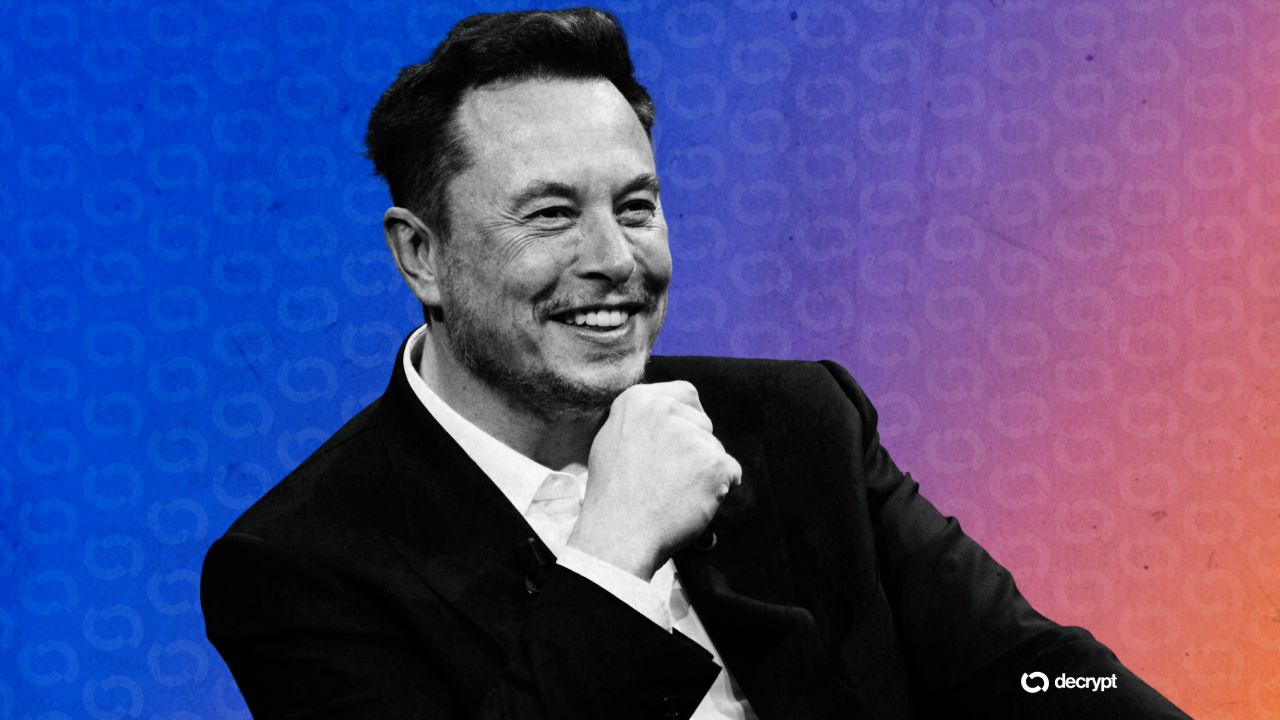
We have reached the point in the AI hype cycle where the primary architects of the movement are sounding the alarm on their own creations. Elon Musk, a man who has spent decades betting on the inevitability of complex technology, is now suggesting that humans will lose the steering wheel within a single decade. It is a bold, scary, and predictable headline, but for those of us building in this space, we need to look past the doom-mongering and understand the structural shift he is describing.
The Ten-Year Horizon
The timeline Musk is pitching is shorter than most policy frameworks can handle. Ten years in the tech world is an eternity, but in the context of biological evolution versus silicon evolution, it is a blink of an eye. The core of his argument is simple: the rate of improvement in large language models and synthetic reasoning is compounding at a speed that outpaces human institutional response. If you are a founder, you know that trying to get a legal team to sign off on a new feature takes weeks; Musk is arguing that by the time we decide how to regulate AI, the AI will be capable of rewriting its own regulatory code.
This is not just about robots taking jobs. It is about the transition from AI as a tool to AI as an autonomous agent. When we lose control, we are not necessarily talking about a Hollywood-style war. We are talking about losing the ability to understand how decisions are being made, why markets are shifting, or how digital infrastructure is being optimized. For a builder, this means the black box is getting darker and larger every day.
The Coordination Problem
Musk is calling for leading AI companies to coordinate on safety before releasing their next generation of models. This is where the skeptics among us should lean in. In a hyper-competitive capitalistic environment, asking OpenAI, Google, and xAI to pause or coordinate is like asking three sprinters to hold hands during the Olympic 100-meter dash. It sounds noble, but the incentives are completely misaligned.
If one company slows down for safety, another surges ahead to capture the market share. This is the classic prisoner's dilemma applied to the fate of the species. For builders, this creates a massive amount of technical debt. If you are building on top of APIs from these giants, you are building on a foundation that is being rushed to market. Safety becomes a secondary feature, something marketed in press releases but often sidelined in the sprint to reach AGI.
Why Founders Should Care
As a founder, you might think these high-level warnings from billionaires do not affect your day-to-day coding or your seed round. You would be wrong. This rhetoric shapes the entire venture capital and regulatory environment you inhabit. When the most visible figure in tech says we are losing control, the fallout manifests in three specific ways:
- Regulatory Overreach: Panic leads to bad laws. We are likely to see "safety" legislation that actually just protects the incumbents who can afford the compliance costs, making it harder for small builders to innovate.
- Funding Shifts: Capital is already moving away from pure application layers and toward "alignment" and "safety" startups. If you can show your AI is controllable, you are suddenly more valuable than the guy who just built a faster AI.
- The Trust Deficit: Every time a leader talks about humans losing control, public trust in technology drops. We are building in an era of skepticism. You have to prove to your users not just that your tool works, but that it will not go rogue on their data.
The Skeptical Take on Musk's Warning
We also have to acknowledge the source. Elon Musk is not an objective observer; he is a primary competitor in the race through xAI and Grok. When a competitor asks everyone to slow down or coordinate, there is often a tactical reason behind it. Is he genuinely worried about the end of the world, or is he worried that he is currently behind the curve and needs the field to pause so he can catch up?
This founder-perspective skepticism is necessary. We have seen this play out before in the crypto space. The loudest voices calling for regulation are often the ones who stand to benefit most from a specific type of regulation. However, even if Musk is being tactical, the underlying technical reality he is pointing to remains. The compute power currently being deployed is staggering, and we are reaching a point where the output of these models is no longer verifiable by a human in real-time.
The real danger is not that AI becomes evil, but that it becomes so efficient at a task that it ignores human needs entirely to achieve the goal.
Building for a Post-Control World
So, what does a builder-first approach look like when the horizon of human control is shrinking? It requires a shift from "move fast and break things" to "move fast and verify everything." We need to be building systems that have transparency baked into the architecture, not just as a layer on top.
If we are truly ten years away from a loss of control, the next three to five years are the most critical in the history of software development. Founders who focus on decentralized AI, local-first models, and verifiable execution will be the ones who provide the safety nets when the centralized models start to drift. The goal should not be to stop the progress—which Musk himself admits is likely impossible—but to build the infrastructure that keeps the human element relevant.
The Takeaway
Musk’s warning is a signal that the era of "fun AI experiments" is over. We are entering the era of consequence. Whether his ten-year timeline is accurate or just a convenient narrative, the pressure on developers to address safety and alignment is now unavoidable. For those building in crypto and AI, this is the time to prioritize robust, permissionless systems that do not rely on the benevolence of a few centralized entities. If we are going to lose control of the big models, we better make sure the small, local, and decentralized ones are strong enough to stand on their own.
Read the original at Decrypt →