The Quiet Shift in Eastern European Crypto
For a long time, Eastern Europe was the playground of high-risk traders and sophisticated developers. It was a region defined by high volatility and even higher technical skill. But the latest data shows a cooling off that should catch the attention of anyone building in this space. According to recent findings, the region saw a nearly 8% drop in overall crypto activity. That might sound like a localized slump, but it is actually the steepest decline of any major region globally.
As a founder, I look at these numbers and see a market that is maturing and hardening simultaneously. The drop isn't just about people losing interest in the latest meme coin or NFT drop. It is a reflection of a region that is dealing with intense regulatory shifts and the heavy weight of the ongoing conflict in Ukraine. When survival and basic economic stability become the priority, the speculative fluff gets cut out first.
The Stablecoin Lifeline
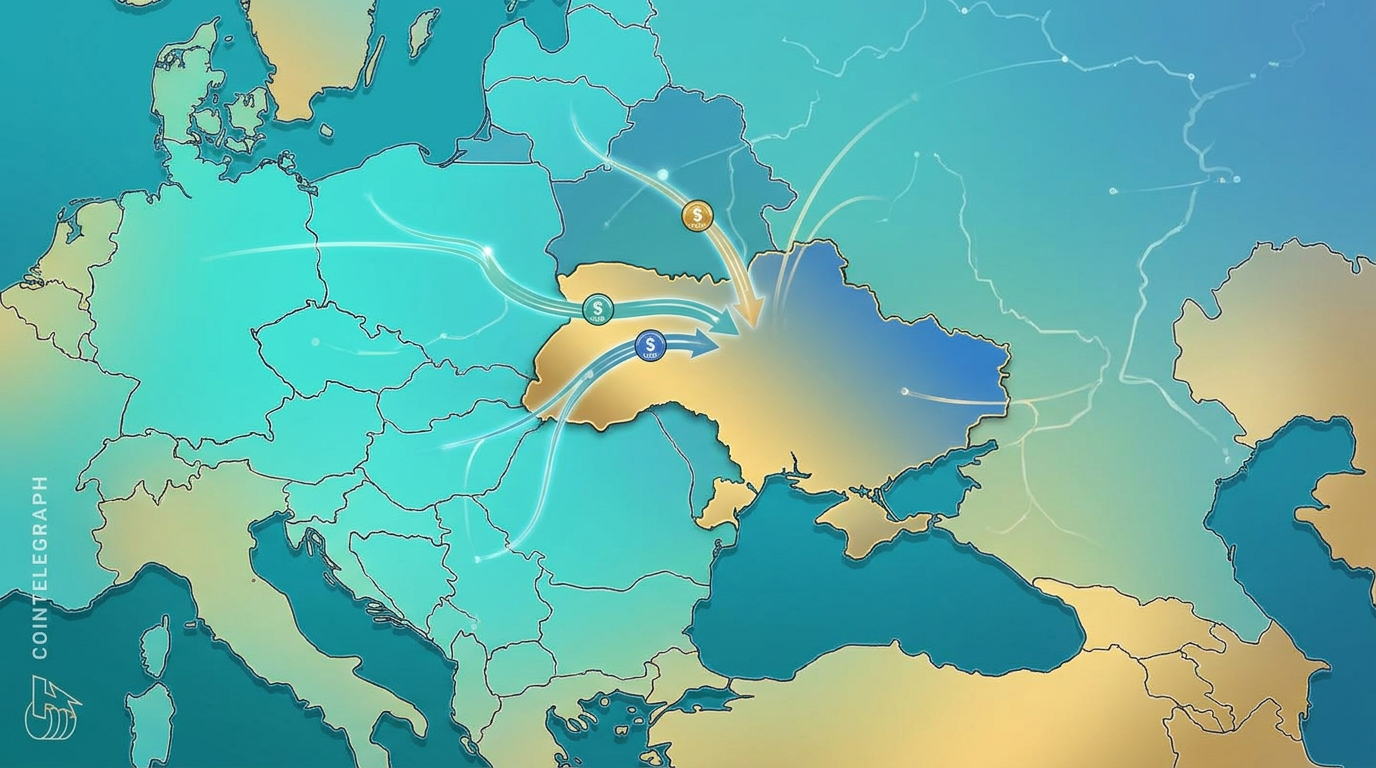
While the total volume is shrinking, the composition of that volume is where the real story lies. Ukraine, in particular, has become a massive hub for stablecoins. We are talking about $12 billion in cross-border stablecoin transfers flowing into the country. In a war zone, the local currency is volatile, and the traditional banking system is often slow or inaccessible. For people on the ground, USDT and USDC aren't just digital assets; they are functional dollars that actually move.
This is one of the few times where the crypto as a utility narrative isn't just marketing hype. It is happening in real-time. If you are building a dApp or a payment layer, this is your stress test. These users don't care about decentralization maximalism or fancy governance tokens. They care about liquidity, speed, and the ability to buy bread or fuel when the local infrastructure is failing.
Institutional Cooling and Retail Fatigue
The decline in Eastern Europe also points to a broader institutional cooling. A lot of the volume in this region has historically come from large-scale entities. With the global regulatory net tightening, many of these players are moving their activity to more predictable jurisdictions or stepping back entirely. The era of the unregulated wild west in the East is effectively closing.
Retail fatigue is also a factor. The average user in countries like Poland, Romania, or the Czech Republic has been hammered by inflation and energy costs. The disposable income that used to flow into speculative crypto plays is being diverted to necessities. For builders, this means the barrier to entry for new products is higher. You can't just launch a project and expect users to show up because they want to gamble. You have to solve a concrete financial problem.
The Developer Dilemma
Eastern Europe has always been a primary source of talent for the crypto industry. Some of the best protocol engineers and security auditors come from this region. However, the drop in local activity might signal a talent drain. If the local market isn't supportive, these developers will look toward the US, Dubai, or Singapore.
I’ve seen this cycle before. When a region's transaction volume drops, the local ecosystem for startups begins to starve. Venture capital slows down, and local hubs dry up. If you are a founder relying on Eastern European talent, you need to be aware of the mounting pressures they face. The cost of living is rising, and the regulatory environment is becoming a maze of EU-driven compliance hurdles like MiCA.
What This Means for Builders
If you are looking at these numbers and thinking Eastern Europe is a dead zone, you are missing the point. The decline in volume is a cleansing of the speculative noise. What remains is a hard-boiled core of users who need crypto for cross-border settlements and wealth preservation.
- Focus on stablecoin infrastructure: The demand for dollar-pegged assets isn't going away. If your stack makes it easier to ramp in and out of stablecoins in high-risk zones, you have a product.
- Prepare for MiCA: The European Union's regulatory framework is going to dictate how this region operates. Compliance is no longer optional; it is a feature.
- Build for utility, not hype: The 8% drop in volume is mostly the death of low-value trading. The high-value, necessary transactions are what is keeping the lights on.
The Takeaway
The numbers from Eastern Europe are a reality check for the industry. The decline in activity shows that the speculative bubble has popped in the face of real-world hardship. However, the $12 billion in stablecoin flows to Ukraine proves that when the stakes are highest, crypto is the only system that stays open. Builders should stop chasing the next pump and start looking at how to facilitate the movement of value in places where the legacy system has already failed.
The drop in volume isn't a sign of failure; it is a sign of a market that is finally getting serious about what crypto is actually for.
We are moving away from the era of crypto as a digital casino and toward crypto as a necessary financial rail. The builders who survive this shift will be the ones who provide actual utility in an increasingly unstable world.
Read the original at Cointelegraph →