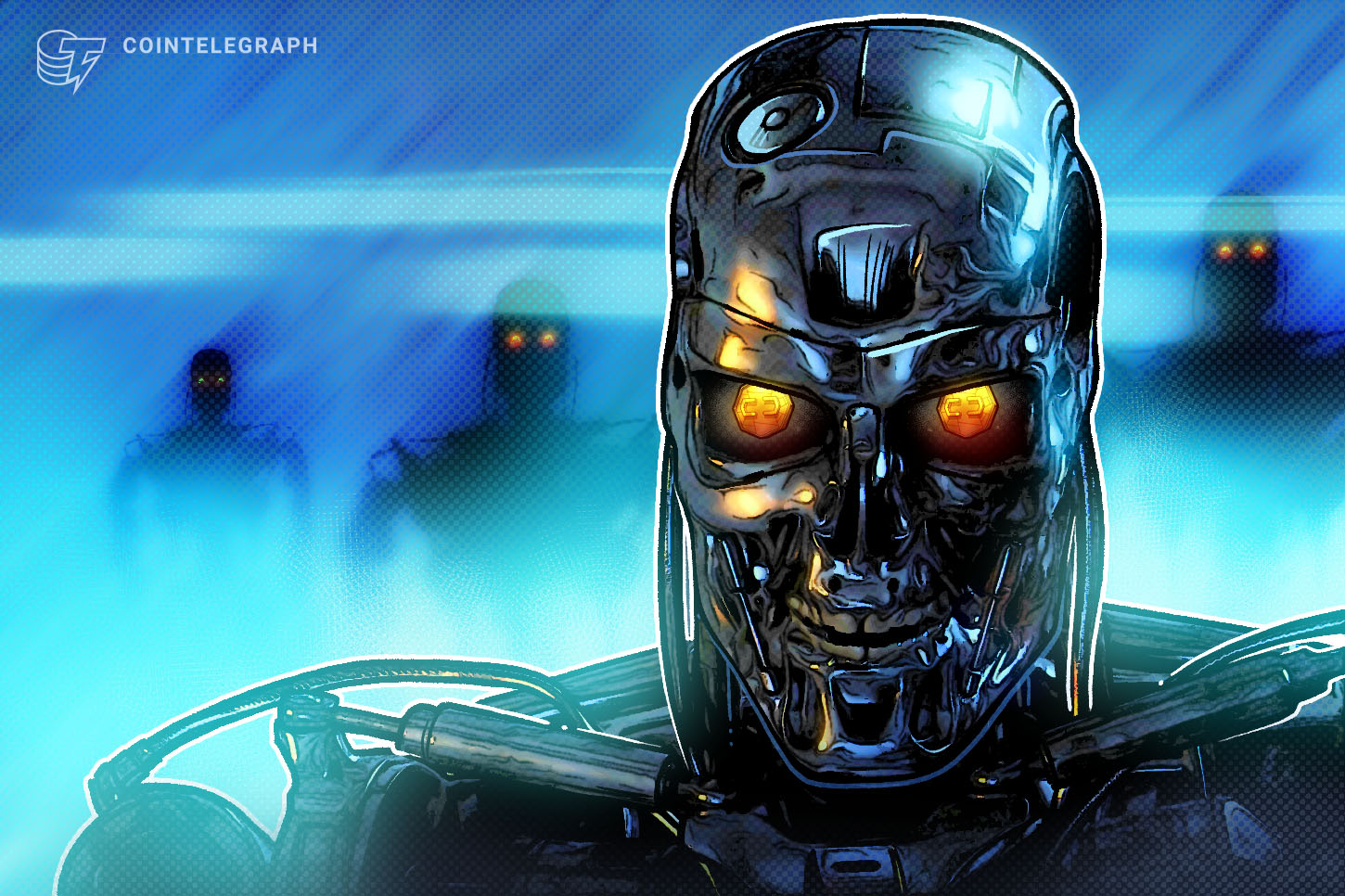
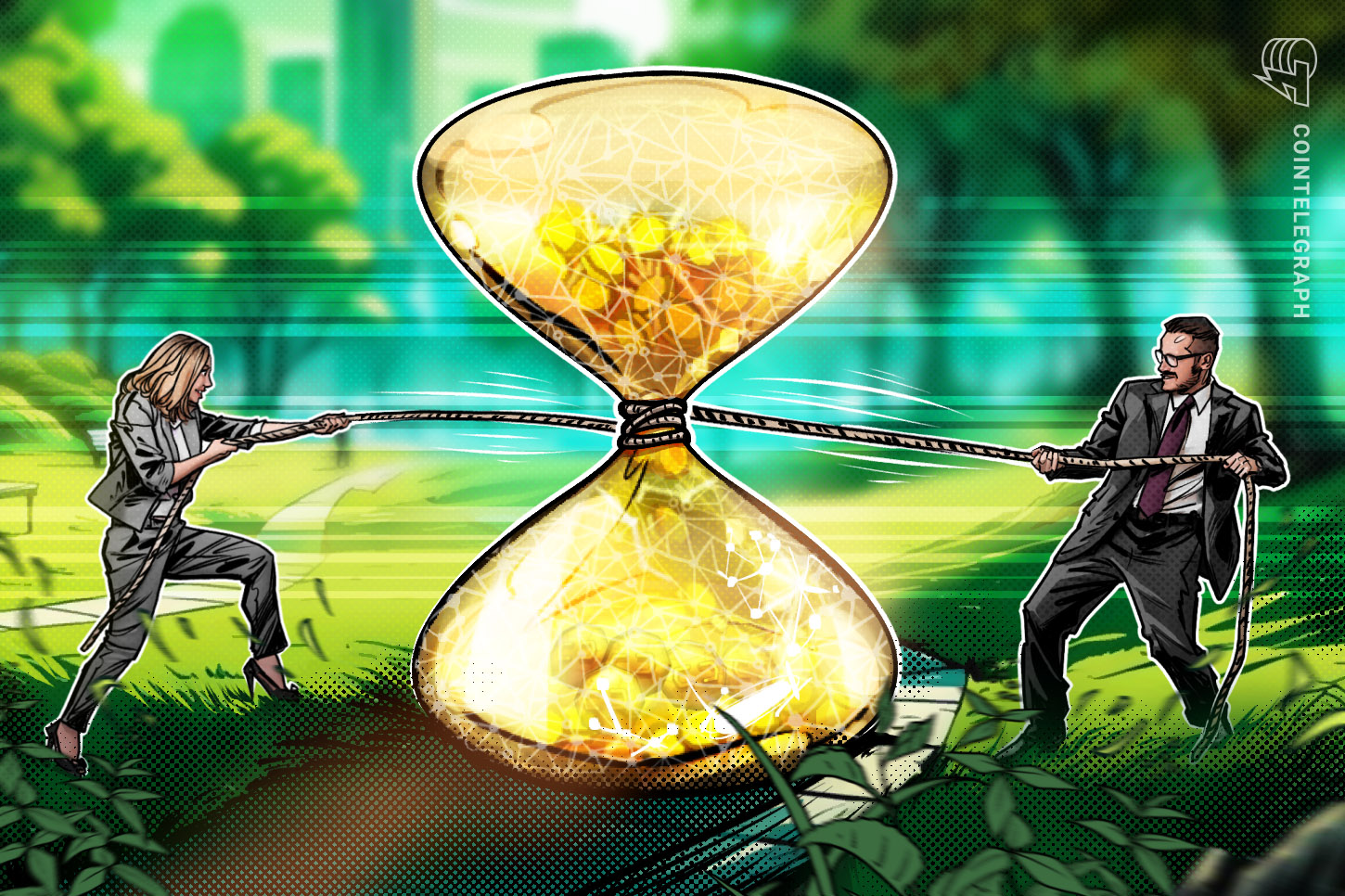
There is a specific kind of anxiety that creeps into the back of every founder's mind when they think about the intersection of AI and cryptography. It is the fear that we are building on sand. Recently, Haseeb Qureshi from Dragonfly addressed this head-on, pushing back against what he calls bunker mode doomerism. The idea is simple: if AI or quantum computing eventually cracks the cryptographic signatures that hold our industry together, hiding your assets in a cold wallet under a mattress is not going to save you.
The Illusion of Asset Migration
For years, the standard response to a potential cryptographic break has been migration. The theory suggests that if ECDSA is compromised, we will all just move our funds to new, quantum-resistant addresses. Qureshi points out the obvious flaw here that many builders choose to ignore. By the time you realize the locks are broken, the house has already been emptied.
Migration requires a window of safety that might not exist. If an AI-driven model or a quantum breakthrough happens suddenly, the attackers will be faster than your manual migration process. In crypto, we often mistake preparation for a plan to run away. But you cannot outrun a compromise that invalidates the very proof of ownership you rely on to move the assets in the first place.
Why Bunker Mode Fails
Bunker mode is a psychological safety net. It is the belief that if you just disconnect enough, you are safe. But blockchains are social and technical consensus engines. If the underlying math is broken, the network loses its integrity. A private key that is no longer private is just a random string of numbers.
For those of us building products, this is a wake-up call. We spend so much time on UI, tokenomics, and user acquisition, but we rarely talk about the structural durability of the chains we deploy on. We are trusting that the base layer will eventually figure it out. Qureshi is arguing that eventually is not good enough.
The AI Factor in Cryptanalysis
We are not just talking about big quantum computers anymore. AI is changing the speed at which we find vulnerabilities in code and math. While we are using LLMs to write smarter smart contracts, attackers are using them to find the edge cases we missed. The timeline for cryptographic obsolescence is shrinking.
This creates a paradox for builders. Do you stick with the battle-tested, standard libraries that everyone uses, knowing they are the primary targets? Or do you experiment with newer, supposedly resistant algorithms that have not been through the fire? Most choose the former because it is easier to raise money when you use the standard stack. But the standard stack is exactly what is under the microscope.
Proactive Hardening Over Reactive Panic
Qureshi is calling for proactive measures. This means integrating post-quantum signatures and more robust cryptographic primitives now, rather than waiting for a headline to tell us it is too late. For a founder, this means asking hard questions of the L1s and L2s you are building on. What is their roadmap for cryptographic agility? Can they swap out signature schemes without a hard fork that lasts three weeks?
- Cryptographic Agility: The ability for a protocol to switch algorithms without total downtime.
- Threshold Signatures: Moving away from single points of failure in private key management.
- Formal Verification: Using AI tools for defense as aggressively as they are used for offense.
The Founder’s Perspective
I have seen a lot of cycles, and every time, the industry gravitates toward the easiest path. Right now, the easy path is ignoring the long-term threat of AI-driven cryptanalysis because the market is up and there are memes to launch. But if you are building a protocol that is supposed to last decades, you cannot afford to be a doomer, and you definitely cannot afford to be a turtle.
Being proactive is not just a technical requirement; it is a competitive advantage. Users are getting smarter. They are going to start asking where their money is safest. The founders who can explain how their stack handles the evolution of AI and quantum threats will be the ones who survive the next decade of infrastructure shifts.
The goal is not to find a place to hide, but to build a system that doesn't need a hiding place.
The Path Forward
We need to stop treating security as a checkbox and start treating it as a moving target. If the consensus among leaders like Qureshi is that migration is a myth, then our only choice is to harden the current environment. This means supporting EIPs that address account abstraction with modular security and pushing for faster adoption of ZK-proofs that are resistant to future compute leaps.
It is easy to get caught up in the doomerism because it feels like a problem too big to solve. But that is founder-speak for a massive opportunity. The first ecosystems to successfully implement proactive, future-proof security will inherit the trust of the entire market.
Takeaway for Builders
Stop waiting for the foundation to fix itself. If you are building on a chain that has no plan for cryptographic evolution, you are building on a timer. Demand agility from your infrastructure providers. Transition your thinking from saving assets via migration to protecting assets via proactive infrastructure. The bunker is a trap; the only way out is to build better locks before the keys are copied.
Read the original at Cointelegraph →