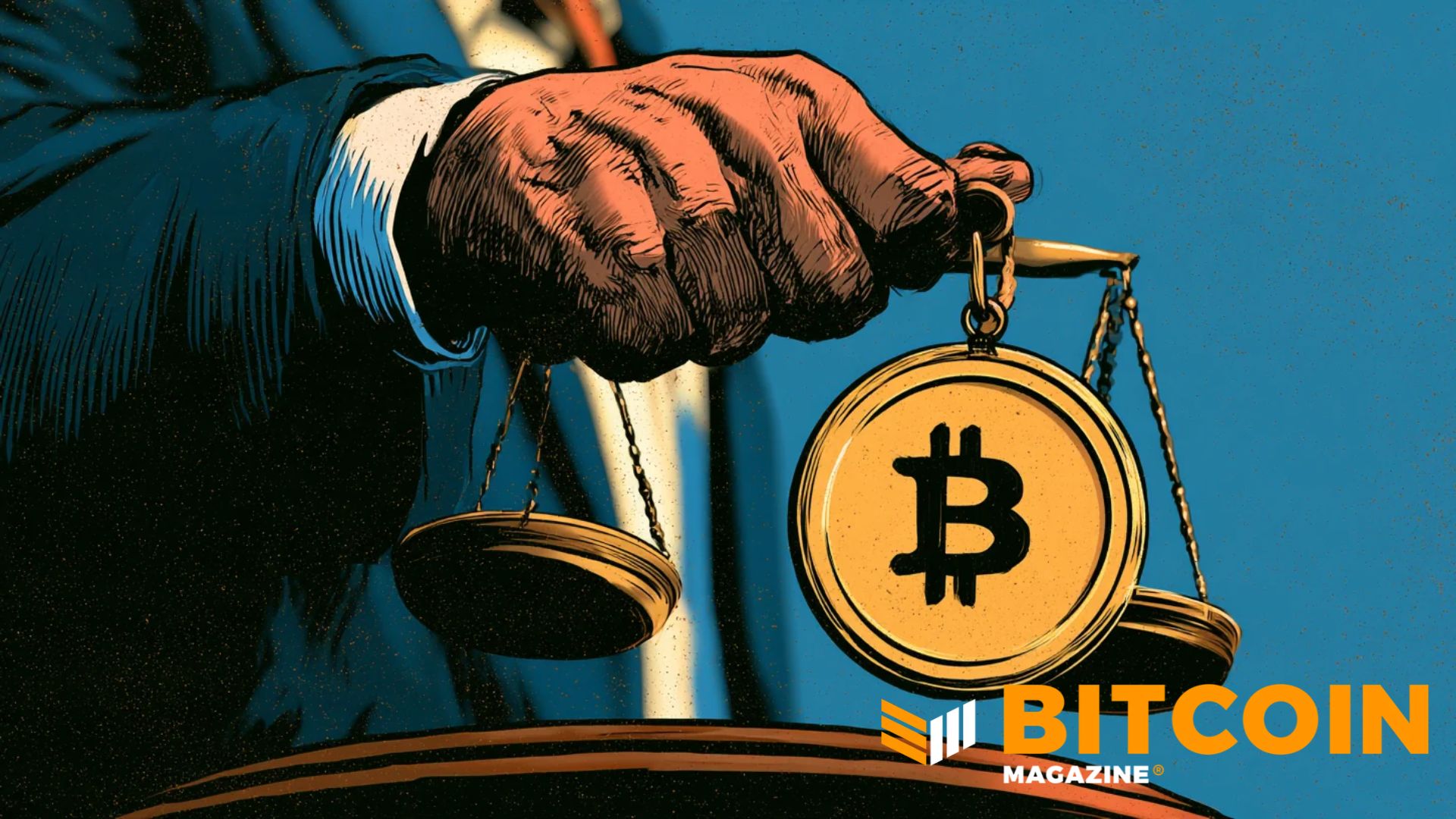
The Department of Justice just pulled the trigger on what they are calling their largest-ever crackdown on fraud. We are talking about 800 defendants charged since March in a sweeping effort to dismantle organized crime networks. For those of us building in the trenches of crypto and AI, this isn't just another headline. It is a necessary, albeit messy, clean-up of the reputation rot that makes our jobs harder every single day.
The Industrialization of Deception
When the DOJ talks about these scams, they aren't just looking at a few guys in a basement with a VPN. They are targeting massive, organized centers primarily based in Southeast Asia. These operations function like dark corporations. They have HR departments, quotas, and technical support teams. Many of these centers utilize human trafficking to staff their operations, forcing people to run crypto investment schemes under the threat of violence.
For a founder, this is the shadow industry we are constantly competing against for the public's trust. Every time a project like this gets dismantled, it is a win for the legitimate builders. The scale here is staggering. These groups specialize in pig-butchering scams, where they build long-term rapport with victims before draining their life savings into fake crypto platforms. This isn't just "crypto fraud" in the abstract; it is a highly coordinated attack on global financial literacy.
Why Builders Should Care
It is easy to look at the DOJ and roll your eyes at the bureaucracy. As a builder, your instinct might be to stay as far away from government talk as possible. But there is a direct correlation between these enforcement actions and your ability to get a bank account or onboard a non-technical user. When 800 people are indicted for fraud that heavily involves digital assets, it reinforces the narrative that crypto is the playground of the criminal elite.
The more the DOJ cleans up these industrial-scale operations, the less pressure there is on legitimate developers to defend their right to build permissionless tools. We need the bad actors out of the room so we can have a real conversation about infrastructure. If the industry is 90% noise and scams, the regulators will keep using a sledgehammer where a scalpel is needed.
The Tech Stack of the Scammer
What is particularly interesting for those in the AI space is how these scam centers are evolving. While the DOJ report focuses on the arrests and the financial flow, we know that these groups are increasingly using AI to scale their efforts. Large language models allow a single scammer in a Southeast Asian compound to voice-chat or text with hundreds of victims in perfect English, Spanish, or Mandarin.
This creates a massive opportunity for builders of defensive AI. We are entering an era where the "proof of personhood" isn't just a philosophical debate; it is a security requirement. If you are building in this space, your focus should be on how to create trust in a trustless environment that is currently being flooded by these 800-person-strong syndicates.
A Warning for the Ecosystem
While we celebrate the removal of bad actors, we also have to be skeptical of how these crackdowns are framed. The DOJ often lumps legitimate decentralized finance (DeFi) tools in with the centralized scams run out of these compounds. They see a ledger and a transfer of value, and they call it a "crypto scam," even if the crypto itself was just the medium for a very old-school confidence trick.
The biggest risk here is guilt by association. If the DOJ characterizes these scams as inherently linked to the nature of digital assets, we lose the nuance required to build better systems.
Builders need to be proactive about their compliance and their user education. If your platform can be easily used as a laundromat for a Southeast Asian scam center, the DOJ has shown they have the appetite and the resources to come knocking. They are looking at the entire pipeline, from the facilitators to the individuals running the keyboards.
The Real Cost of Fraud
The financial toll cited by the Justice Department is in the billions. But the real cost is the stifled innovation. How many talented developers have left this space because they were tired of being associated with the people the DOJ is currently arresting? How many investors have walked away because they couldn't tell the difference between a high-yield protocol and a pig-butchering site?
By targeting 800 defendants at once, the DOJ is sending a signal that the "wild west" era of consequence-free international fraud is narrowing. This is good for the industry, but it is also a reminder that the surveillance capabilities of modern law enforcement are catching up to the speed of the blockchain.
The Takeaway for Founders
- Audits Matter: Not just for code, but for the flow of funds on your platform. Knowing where your volume comes from is no longer optional.
- User Education: If your UI/UX doesn't clearly warn users about common social engineering tactics, you are part of the problem.
- Defensive AI: There is a massive market for tools that can detect and flagging the behavioral patterns of these organized scam centers.
We are seeing the end of the first act of crypto. The era of the amateur scammer is over, replaced by industrial syndicates. And in response, the era of the "wait and see" regulator is over, replaced by massive, multi-national indictments. As a builder, your goal should be to stay so far on the right side of this line that the DOJ's activities feel like a service to your business, not a threat to it.
Read the original at Bitcoin Magazine →