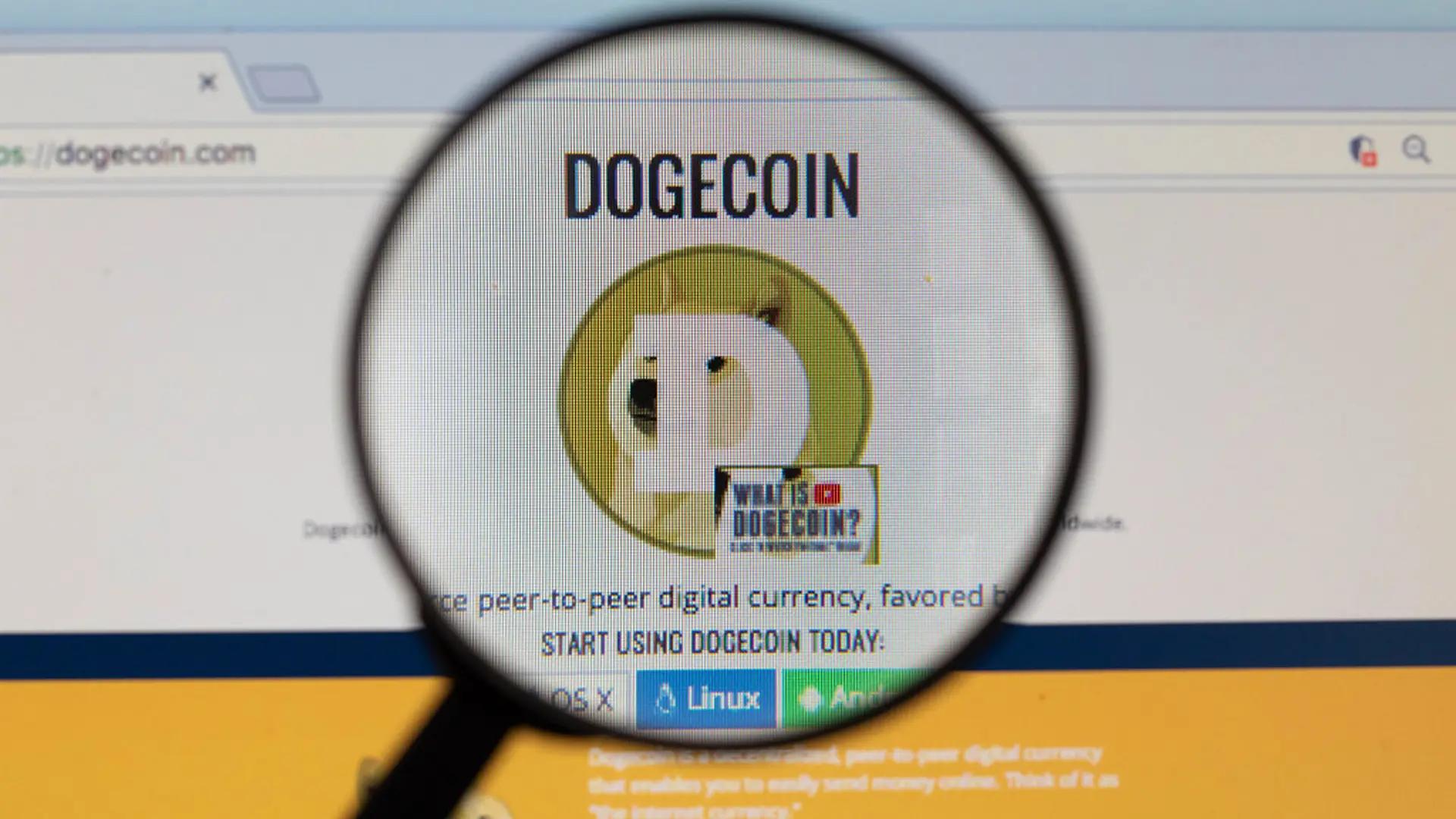
The Dogecoin ETF experiment has hit a wall
For months, the narrative in the crypto fund space was that institutional money would eventually flow down the risk curve. First Bitcoin, then Ethereum, and naturally, the meme-heavy world of Dogecoin. The logic was simple: if retail loves it, a subset of professional investors will want regulated exposure to it. But the recent closure of Bitwise’s dogecoin ETF (BWOW) after just ten months tells a much different story.
While products tracking XRP and Solana have collectively pulled in over $3 billion, Dogecoin funds are languishing. This isn't just a market blip or a temporary lack of liquidity. It is a fundamental rejection of the idea that memes can be packaged into institutional wrappers without a underlying technical utility. For those of us building in this space, it is a reminder that the market eventually separates the toys from the tools.
The utility gap
When you look at why XRP and Solana funds are attracting capital, it isn't because of the logos or the community vibes. It is because those assets represent specific bets on infrastructure. Solana is the current champion for low-latency decentralized applications. XRP, despite its legal baggage, represents a specific bet on the future of cross-border settlements and banking rails. These are stories that a portfolio manager can explain to a client.
Dogecoin doesn't have that story. It was founded as a joke, and while it evolved into a cultural powerhouse, its technical roadmap is essentially nonexistent. In the founder world, we talk about product-market fit. A Dogecoin ETF lacks product-market fit because the people who love DOGE prefer the autonomy of self-custody and the chaos of decentralized exchanges. The people who use BlackRock or Bitwise want an investment thesis rooted in cash flows, network effects, or technological moats. DOGE offers none of the above.
The cost of being a meme
We need to talk about the friction of institutional products. An ETF carries management fees, regulatory overhead, and the slow pace of TradFi trading hours. If you are an institutional investor paying 0.20% to 1.0% in fees, you expect that asset to be doing something. In the case of Solana, you are betting on the growth of a global compute engine. In the case of Dogecoin, you are betting that a billionaire will tweet something favorable or that a new generation of retail traders will get bored with their current holdings.
That is not a sustainable investment strategy for a pension fund or a family office. The closure of BWOW is a signal that the "meme coin supercycle" has a glass ceiling. You can build a billion-dollar community on Twitter and Telegram, but that doesn't mean you can sustain a regulated financial product. The infrastructure required to maintain an ETF is expensive, and if the assets under management don't scale quickly, the fund becomes a liability for the issuer.
What this means for builders
If you are building in the crypto or AI space right now, the lesson here is clear: stop chasing the hype cycles of 2021. The market is maturing, and the institutions that were once seen as the "saviors" of crypto prices are actually quite discerning. They aren't looking for the next 100x moonshot; they are looking for assets that solve real-world problems or provide a unique technological edge.
- Focus on Infrastructure: The capital flowing into Solana and XRP proves there is an appetite for L1 and L2 solutions that actually work.
- Solve for Utility: If your token or project doesn't have a clear reason to exist beyond speculation, it will eventually fail the institutional stress test.
- Respect the Wrapper: An ETF is a specific tool for a specific audience. Don't assume every crypto asset belongs in one.
The hard truth about altcoin ETFs
The industry spent years begging for an ETF, thinking it would be the ultimate validation. Now that we have them, we are seeing the harsh reality. An ETF doesn't make an asset valuable; it only makes it accessible. If the asset itself lacks a long-term value proposition, accessibility won't save it. Bitwise is a smart operator, and their decision to pull the plug is a pragmatic move to stop subsidizing a product that the market doesn't want.
We are entering a phase where the "crypto" part of crypto-assets is becoming secondary to the "asset" part. Investors want to know what the underlying technology does, who is building on it, and what the five-year growth trajectory looks like. Dogecoin's inability to answer those questions in a meaningful way is why it's failing in the ETF format while its more technical rivals are thriving.
The market can stay irrational longer than you can stay solvent, but institutional products can't stay unprofitable longer than their issuers allow.
For those of us in the trenches, this is actually good news. It flushes out the noise. It forces us to focus on building things that have intrinsic value. The era of the "pure meme" as a serious financial asset is being challenged, and the winners will be the ones who can point to a developer ecosystem, a transaction log, and a real-world use case.
Takeaway
The failure of Dogecoin ETFs is a win for builders who prioritize utility over hype. It proves that institutional money isn't just "dumb money" looking for a gamble; it's capital looking for a home in the future of finance. If you want to attract that capital, build something that solves a problem, not just something that generates a headline.
Read the original at CoinDesk →