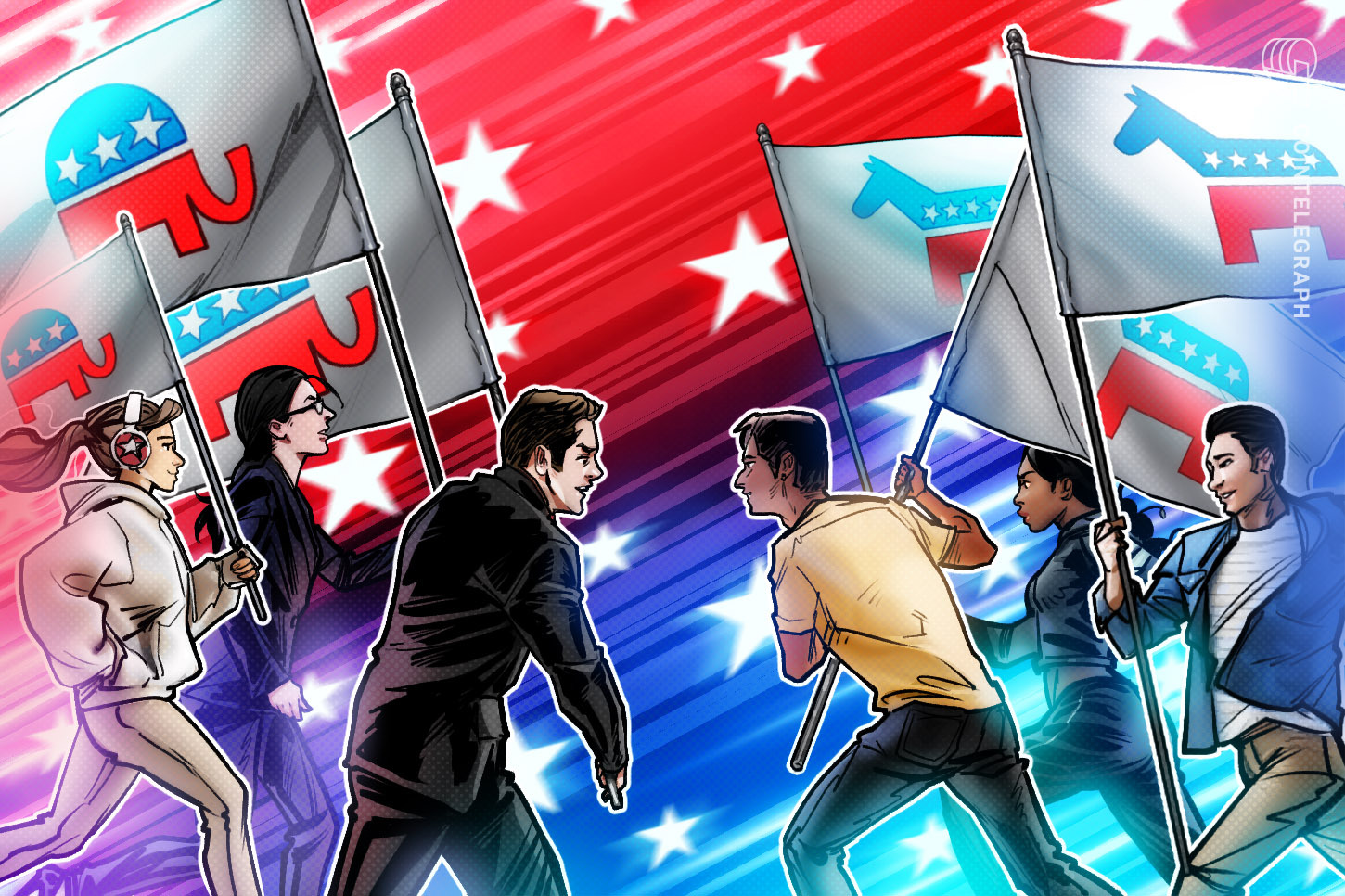
The dust has finally settled on the U.S. House of Representatives, and the outcome is something every founder in the decentralized space needs to pay attention to. Democrats have secured control, effectively splitting the legislative branch as we head toward 2027. If you were expecting a smooth, partisan-led runway for digital asset deregulation, it is time to recalibrate your expectations.
The Investigation Engine
In Washington, control of the House isn't just about passing laws; it is about the power of the gavel. By taking back the majority, Democratic leadership now holds the keys to every major House committee. For the crypto and AI sectors, this means the era of quiet building might be interrupted by a steady stream of subpoenas and oversight hearings.
We have seen this play out before. When one party holds the White House and the other holds the House, the lower chamber becomes an investigative engine. The next two years will likely see intense scrutiny of the current administration’s ties to the private sector, specifically regarding how tech policy and financial regulations are being enforced—or ignored.
What This Means for the Build
As builders, we often hope for total regulatory clarity. We want a simple 'yes' or 'no' on whether our token is a security or if our AI training data meets compliance standards. However, a split Congress usually results in a stalemate. While a stalemate sounds frustrating, it can actually be a double-edged sword for the tech ecosystem.
On one hand, sweeping, restrictive legislation is harder to pass because it requires bipartisan compromise. On the other hand, it means we are stuck with the current 'regulation by enforcement' model that has plagued the industry for years. The SEC and other agencies will likely continue to operate in the gray area because the House and the Senate will be too busy fighting each other to provide a unified legislative framework.
The Committee Shuffle
When the new term starts in January 2027, the chairs of the Financial Services and Energy and Commerce committees will change. These are the rooms where the future of American innovation is decided. Under the new leadership, expect a pivot back toward consumer protection and stricter reporting requirements for stablecoin issuers and AI developers.
If you are a founder, you should be looking at your compliance stack right now. The leniency that some expected from a unified government is gone. The Democratic-led committees will be looking for examples of 'excess' or 'risk' to justify new guardrails. Being the 'move fast and break things' guy is going to get a lot more expensive when you have to explain your codebase to a congressional subcommittee.
The Founder's Perspective
I have spent enough time in this industry to know that hype cycles always crash into the wall of reality eventually. The reality here is that the political pendulum has swung back to the middle. This isn't necessarily a death knell for innovation, but it is a signal to grow up. The 'Wild West' narrative is losing its charm in the halls of Congress.
We need to stop looking for a political savior and start building robust, self-regulating systems. If your project relies on a specific politician staying in power or a specific party holding a majority, you haven't built a business; you've built a political bet. And as we just saw, those bets are volatile.
- Focus on utility: Committees are less likely to attack projects that provide clear, measurable value to everyday people.
- Audit your privacy: Data privacy and AI ethics will be top-tier agenda items for the new House majority.
- Diversify your geography: If the U.S. remains in a legislative deadlock, look toward jurisdictions that have already codified their rules.
The Long Game
The next two years will be characterized by noise. You will see plenty of headlines about investigations into the Trump administration and heated debates over the national debt. For those of us in the trenches of crypto and AI, the goal is to filter that noise. The fundamental technology hasn't changed because the House majority did. Code still executes. Networks still decentralize.
The real risk isn't a new law; it is the uncertainty that comes with two years of political theater. Investors hate uncertainty. Founders who can demonstrate stability and a clear path to compliance despite the political weather will be the ones who survive to see the 2028 cycle.
Keep your head down, keep your burn low, and don't get caught in the crossfire of the committee wars. The builders who win are the ones who make themselves too useful to be regulated out of existence.
We are entering a phase of accountability. Whether that accountability is fair or purely partisan remains to be seen, but it is coming regardless. Prepare your documentation, sharpen your mission statement, and get back to work. The gavel has dropped, but the build continues.
Read the original at Cointelegraph →