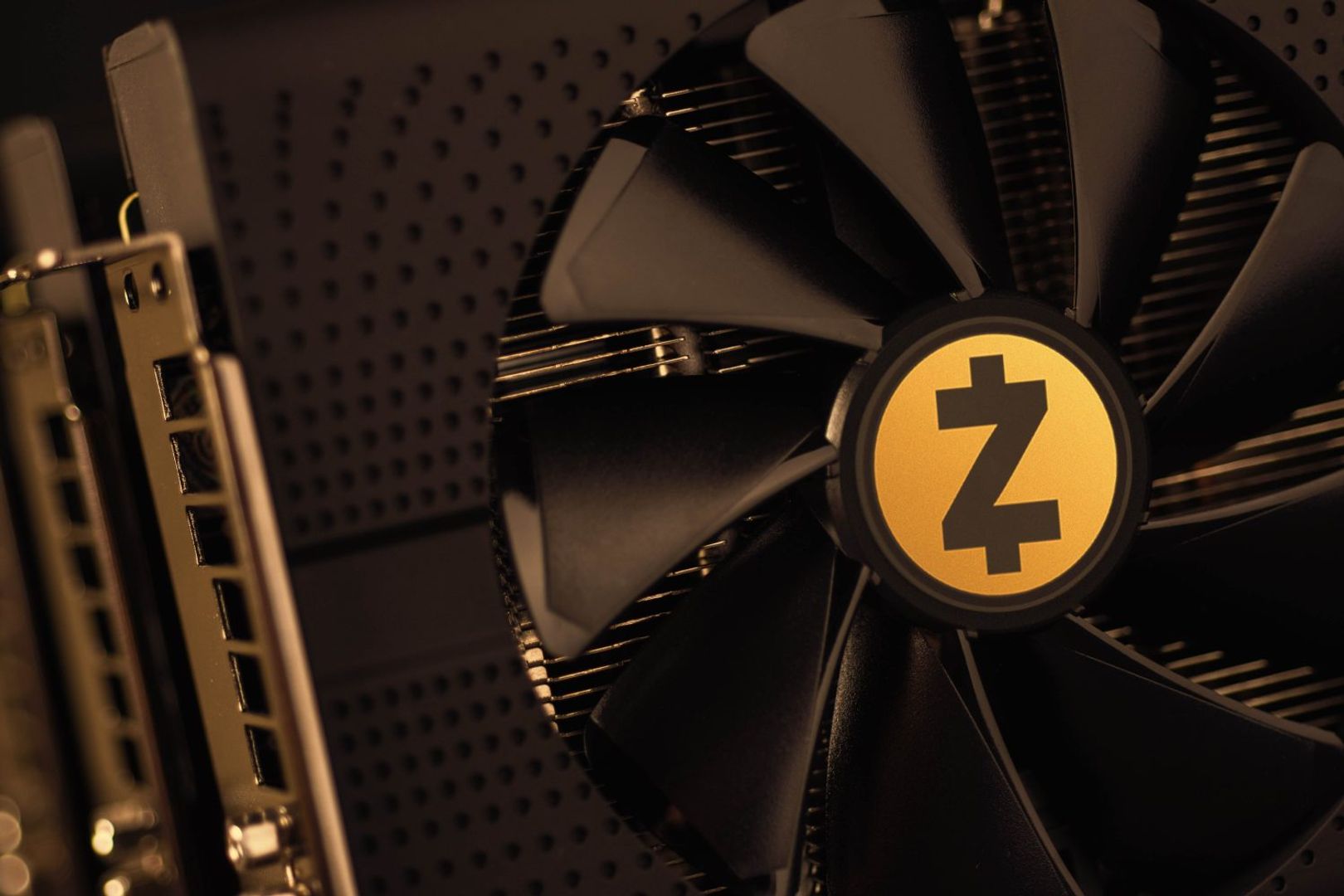
We are witnessing a structural shift in how the world values high-end silicon. For the last two years, artificial intelligence has driven a frantic grab for hardware. If you were a founder trying to secure H100s, you weren't thinking about financial instruments; you were just trying to get a seat at the table. But markets eventually mature, and the chaos of the GPU shortage is now transitioning into a sophisticated derivatives game.
The Silicon Commodity Transition
For decades, data centers were treated as real estate or basic infrastructure. You bought servers, you depreciated them, and you sold cycles to clients. AI changed that. The scarcity of Nvidia chips turned compute into a hard commodity, more akin to oil or gold than a cloud service. When a resource becomes that volatile and that essential, people want to bet on its future value.
Reports indicate that traditional heavyweights like CME Group and Intercontinental Exchange (ICE) have their eyes on this space. They want to launch regulated GPU futures. The problem? Their timeline is reportedly late 2026. In the tech world, two years is a lifetime. By the time the legacy guys get their paperwork in order, the market will have already moved on. This is where the crypto builders are stepping in, filling a gap that the slow-moving financial institutions can't handle yet.
Crypto-Native Compute Markets
While the legacy institutions wait for regulatory clarity, crypto-native platforms are already facilitating "perp" style trading and prediction markets around compute. We are seeing decentralized protocols that allow users to go long or short on the price of GPU hours. This isn't just about gambling; it's about price discovery.
For a founder, this is actually useful. If I know I need a massive training run in six months, I currently have two choices: buy the hardware now and let it sit, or pray that cloud prices don't spike. A functional derivatives market allows a builder to hedge that risk. If I can buy a contract that nets me a profit if GPU prices go up, that profit offsets my increased costs when I eventually rent the compute. It’s basic risk management that has been missing from the AI stack.
The legacy financial world operates on a 'permission first' basis, which is why CME won't arrive until 2026. Crypto operates on 'code first,' which is why the markets are live today.
Infrastructure Over Hype
I’ve been skeptical of most 'AI + Crypto' projects because many of them are just wrappers for a GPT prompt. But this—the financialization of compute—is different. This is a plumbing problem. We need a way to trade the underlying resource that powers the entire AI economy. Using blockchain primitives like perpetual swaps to facilitate this makes total sense because these protocols don't need a centralized clearinghouse to function.
However, builders should be wary. Just because you can trade a 'GPU perp' doesn't mean the liquidity is there. The current crypto-style markets for compute are still in their infancy. They are fragmented and often lack the depth needed for a major AI lab to actually hedge a multi-million dollar training run. The challenge for developers in this space isn't just writing the smart contracts; it's attracting enough market makers to ensure that a trade doesn't move the price by 10%.
The Real Problem: Standardization
One reason CME and ICE are moving slowly is standardization. Oil is relatively easy; a barrel of West Texas Intermediate is a known quantity. But 'compute' is messy. An H100 in a top-tier data center with high-speed interconnects is worth more than an H100 sitting in a basement with a residential fiber line. The location, the networking, and the duration all change the value.
Crypto protocols are trying to solve this by creating 'compute units' or standardized buckets of power. If the crypto side wins, it will be because they figured out how to turn heterogeneous hardware into a fungible asset before the legacy exchanges finished their first round of committee meetings.
What Builders Should Watch
If you are building in the DePIN (Decentralized Physical Infrastructure) or AI space, this shift matters for three reasons:
- Capital Efficiency: You might soon be able to finance hardware purchases by selling futures against the compute that hardware will generate.
- Price Stability: Founders can finally start budgeting for 2025 and 2026 with more certainty if they have a way to lock in costs.
- New Revenue Streams: If you have idle compute, you don't just have to rent it out. You can participate in the market as a liquidity provider.
The Skeptic’s View
Let’s be honest: a lot of this will end in tears. Derivatives are dangerous when they aren't backed by the physical asset. In the crypto world, 'paper' compute markets can easily become decoupled from reality, leading to liquidations and volatility that makes the actual GPU market look stable by comparison. We’ve seen this movie before in DeFi. When the leverage piles up, the crash is inevitable.
But the core thesis remains solid. Compute is the most valuable resource of the 21st century. It is only logical that the same financial tools used for corn, wheat, and oil will be applied to the chips that train our models. The fact that crypto is beating the CME to the punch isn't surprising—it's the whole point of the industry.
The Takeaway
Don't wait for the regulated futures markets in 2026. If you're a founder, start looking at how decentralized compute markets are pricing hardware today. Whether you use them or not, they are currently the only real-time indicator of where the AI economy is heading. The gap between legacy finance and the AI frontier is widening, and for now, crypto is the only bridge being built at the speed of the market.
Read the original at The Block →