The Nine-Year Itch That Killed BitMart
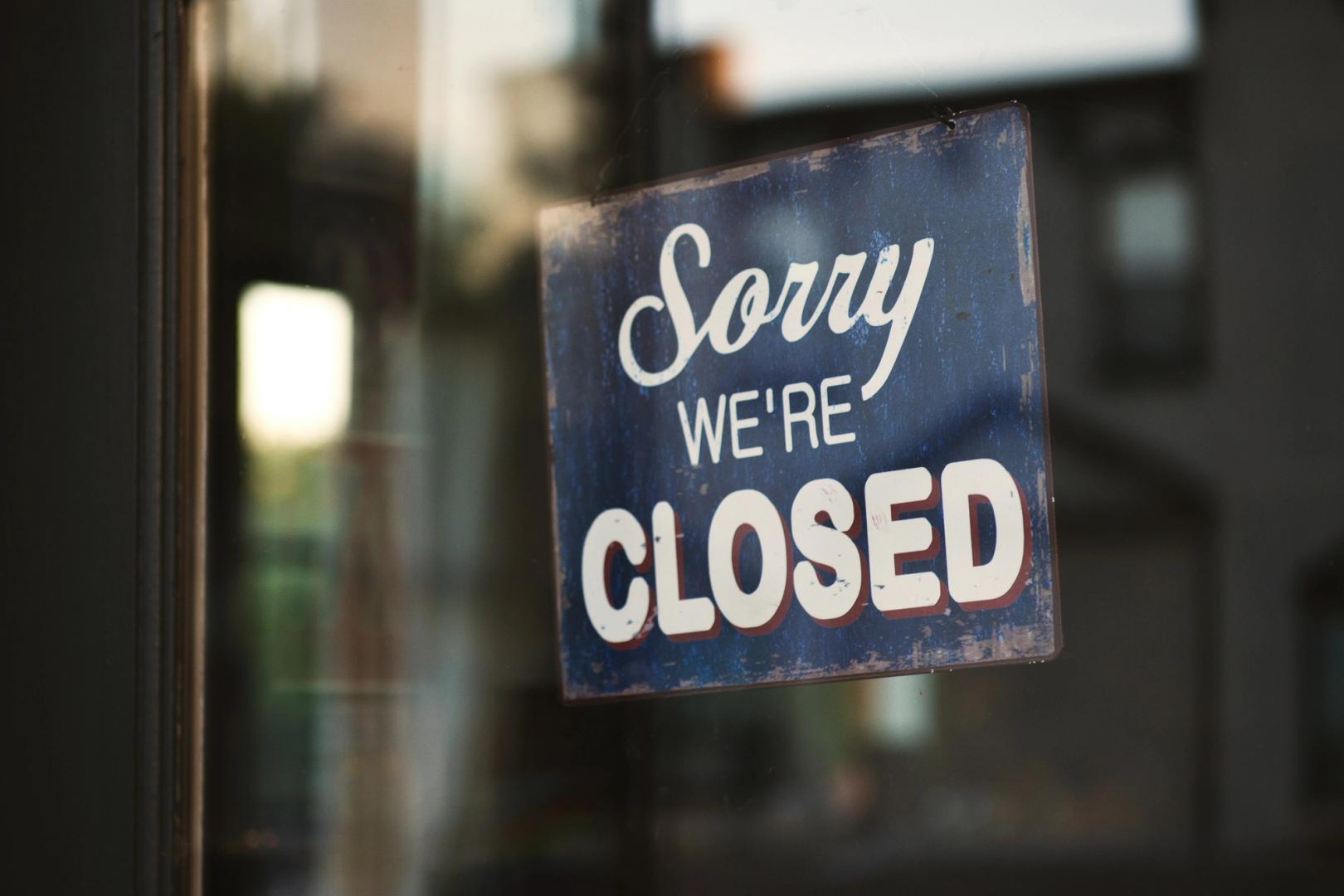
Nine years is an eternity in this industry. If you started a crypto exchange in 2017 and managed to survive the 2018 crash, the 2020 pandemic volatility, and the 2022 FTX contagion, most people would assume you were bulletproof. BitMart proved this week that staying power is a myth. Without citing a specific regulatory hammer or a catastrophic hack, the exchange announced it is pulling the plug, leaving its BMX token holders staring at a 58% valuation crater.
As a founder, I look at these headlines differently. I don't see another failed business; I see a shift in the gravity of the middle-market exchange. BitMart wasn't the biggest, and it wasn't the flashiest, but it was a staple for many altcoin traders. Their departure is a signal that the cost of doing business as a centralized gatekeeper is becoming unsustainable for anyone not in the top three global spots.
The Exit Window and the Retail Fallout
The timeline provided is tight, though not entirely unfair for the modern era. Users have one month to close out their trades. After that, the order books go dark. You have six months to get your assets off the platform before the lights are turned off permanently. In the world of crypto, where people lose their private keys every day and forget about exchange balances for years, this six-month grace period will inevitably lead to a lot of orphaned capital.
The real pain point is the BMX token. Native exchange tokens are always a gamble, but when the issuer decides to stop existing as a functional entity, the utility of that token drops to zero. A 58% crash is arguably generous; it reflects the market's realization that the primary buyer and the primary use case for the asset have vanished. If you're building a project right now and your entire treasury or ecosystem relies on a CEX-native token, let this be your wake-up call.
Why Now? The Invisible Pressures
BitMart didn't give a specific reason for the shutdown. In the absence of clarity, my founder brain goes to one of three places: regulatory fatigue, shifting unit economics, or a strategic pivot that doesn't include the baggage of a legacy exchange. The regulatory landscape has shifted from "ask for forgiveness" to "pay millions in fines just to keep the lights on." For a mid-tier exchange, the math simply might not work anymore.
We are seeing the end of the "generalist" exchange era. You either have the scale of a Binance or a Coinbase, or you have a specific niche like institutional custody or specialized derivatives. BitMart sat in that muddy middle ground. They provided access to a wide range of assets, but as liquidity fragments across decentralized protocols and L2s, the value proposition of a centralized middle-man starts to erode.
What Builders Should Take Away
If you are building in the crypto space, BitMart's closure is a lesson in platform risk. Relying on any single centralized point of failure—whether that is where you host your liquidity or where you keep your operational funds—is a liability. The collapse of the BMX token value is also a reminder that utility is a fragile thing. If your token’s value is derived from a specific service provider, you don't actually own a decentralized asset; you own a piece of that company's reputation.
- Diversify Liquidity: Don't let your project's lifeblood sit on one CEX. If they go dark with a 30-day notice, you could be wiped out.
- Audit Your Treasury: If you hold exchange tokens as part of your reserves, reconsider their weight. They are high-beta assets with existential risks.
- Watch the Middle Market: BitMart won't be the last. The consolidation of centralized finance is accelerating.
A Skeptical Look at the Future
I’ve seen plenty of these shutdowns start with a polite blog post and end with a legal mess. While I’m not saying BitMart is hiding something nefarious, the lack of a clear reason for the closure creates a vacuum of trust. In this industry, trust is the only thing we are actually trading. When a nine-year-old veteran packs it in without explaining why, it makes every other mid-sized exchange look more like a house of cards.
"Longevity in crypto isn't a badge of honor; it's a target. The longer you survive, the more the industry changes around you until you either evolve or expire."
For those of us building the next wave of infrastructure, the goal should be to make exchanges like BitMart unnecessary. The move toward self-custody and decentralized order books isn't just about philosophy—it's about business continuity. If the backend of your product doesn't depend on a centralized entity that could quit tomorrow, you’re already ahead of the curve.
The Final Verdict
BitMart’s exit is a quiet, orderly retreat compared to the explosive failures we saw in 2022, but the impact on users is still real. The BMX crash is a stark reminder that in crypto, the exit door is always smaller than the entrance. If you have funds there, move them now. If you're building a project, look at your dependencies and start cutting off the ones you don't control.
Read the original at CoinDesk →