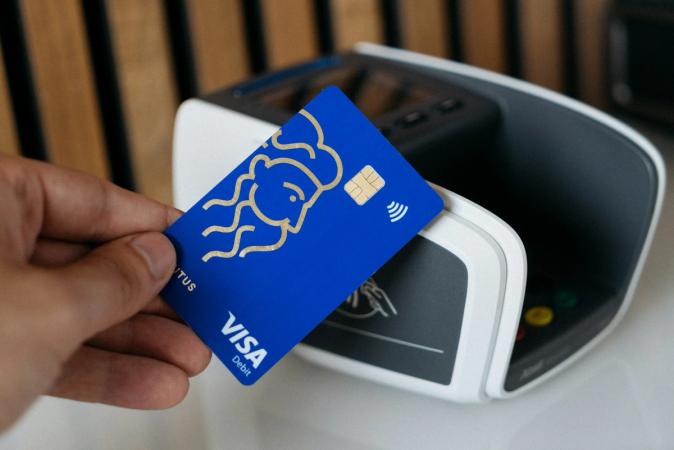
We have seen this movie before. In the early days of Uber and DoorDash, the venture capital subsidized your lunch and your ride to the airport. The goal was simple: grow at any cost, get the user hooked, and figure out the margins later. Now, that same high-stakes customer acquisition strategy has moved into the crypto wallet. A new wave of crypto debit and credit card startups are bleeding millions in rewards and cash-back incentives, operating on the prayer that they can eventually turn a casual spender into a high-value whale.
The Loss Leader Strategy
The math on these cards rarely makes sense on its own. When a startup offers you 3% or 5% back in Bitcoin or a native token on every grocery run, they aren't making that money back on the swipe fees. Interchange fees—the small cut the merchant pays to the bank—are usually around 1% to 2%. If the card issuer is giving you more than they are getting from the merchant, they are losing money every single time you use the card.
For a founder, this is a calculated gamble. They aren't trying to build a profitable payment business; they are building a funnel. The card is the top-of-funnel hook. It gets the app on your phone and the physical piece of plastic in your wallet. Once you are there, the real business begins. They want you to trade tokens, take out collateralized loans, and stake your assets. That is where the real margin lives, and they are willing to pay a high price in rewards to get you through the door.
The Monetization Trap
The problem with this model is that it assumes the user is sticky. In the traditional banking world, switching banks is a headache. In crypto, users are notoriously mercenary. If one platform cuts its rewards from 3% to 1%, the users don't just stay out of loyalty; they move their assets to the next platform offering a subsidized yield. This creates a race to the bottom where startups are forced to burn through their runway just to keep their active user numbers from cratering.
We are seeing these companies lean heavily into three specific revenue buckets to offset the card losses:
- Trading Fees: If a card user decides to swap their rewards for another token, the platform clips a spread.
- Staking Commissions: The platform takes a cut of the rewards earned by securing the network on your behalf.
- Lending: Using your crypto as collateral to borrow stables or fiat, which generates interest income for the firm.
The issue is that these revenue streams are highly dependent on market volatility and bull cycles. When the market goes sideways or down, trading volume dries up, and the cost of maintaining those high card rewards becomes an existential threat to the company's balance sheet.
What This Means for Builders
If you are building in the fintech or crypto space, there is a temptation to follow this playbook. It looks great on a pitch deck because user growth numbers look like a hockey stick. But builders need to be honest about what they are actually creating. Are you building a sustainable product, or are you just distributing VC capital to savvy users who will leave the moment the faucet turns off?
A better approach for the long term is focusing on utility rather than just incentives. Real utility includes better cross-border rails, lower friction for actual commerce, and tools that help people manage their finances without requiring them to be professional traders. Relying on unsustainable rewards is a sign that the underlying product isn't valuable enough to stand on its own.
The biggest risk in the current crypto card landscape is the 'death spiral'—when a company is forced to cut rewards to survive, causing their most active users to flee, which then kills the high-margin trading revenue they needed to stay afloat.
The Skeptical Takeaway
As a user, you should take the rewards while they last, but don't get comfortable. These platforms are essentially paying you to beta-test their ecosystem. As a founder or investor, look closely at the unit economics. If the only way the business survives is by hoping a user eventually gambles on high-leverage trades or keeps their money in a risky staking pool, the foundation is shaky.
We are currently in the 'customer acquisition' phase of this cycle. Eventually, the bill will come due. Companies that haven't figured out how to provide value beyond a 3% rebate will likely find themselves out of cash and out of users. The real winners will be the ones who use the card as a convenience tool for a broader, more robust financial operating system, rather than just a shiny lure for yield-chasers.
Final Thoughts for the Ecosystem
The industry needs to move past the 'growth at all costs' mentality that characterized the last few years. While high rewards are a great way to bridge the gap between fiat and crypto, they shouldn't be the core value proposition. Builders should be asking how to make the card useful even if the rewards were zero. If you can't answer that, you aren't building a business; you're running a promotion.
Read the original at CoinDesk →