The Reckoning of the Growth-At-All-Costs Model
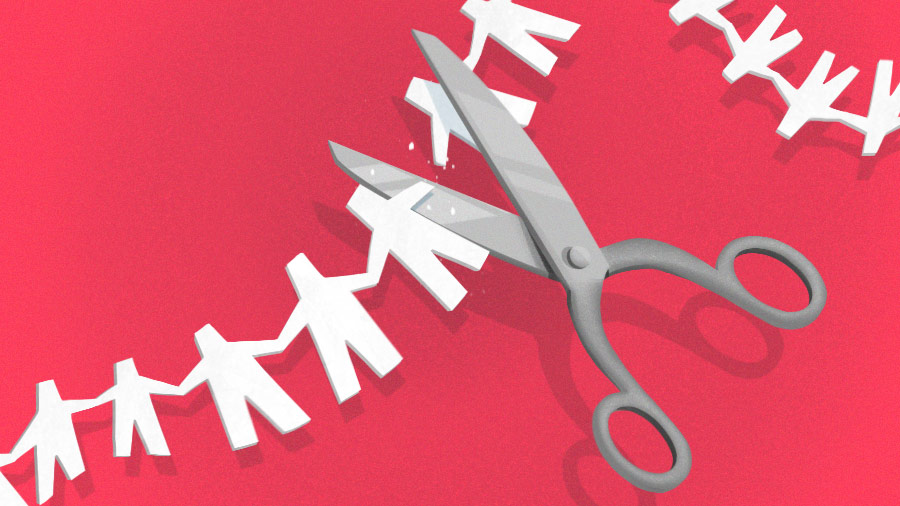
We have to stop pretending that the current wave of layoffs is just a minor market correction. When over 127,000 people at U.S.-based tech companies lose their jobs in a single year, it is not a fluke; it is a structural redesign of how we build software. As the data from 2025 and early 2026 shows, the bloodletting has not stopped. It has simply become the new baseline for operation.
For years, the playbook for founders was simple: raise as much as possible, hire as fast as possible, and figure out the unit economics later. That era is dead. What we are seeing now is the painful transition from the Growth at All Costs era to the Efficiency Above All era. As a founder, you need to look past the headlines and understand why this is happening and what it means for the next generation of builders.
The AI Factor and the Leaner Stack
One of the quietest but most influential drivers of these job cuts is the integration of AI into the developer workflow. We are seeing companies realize that they no longer need a team of twenty engineers to manage a product that five people can handle with the right autonomous agents and LLM-assisted coding tools. The tech stack is getting leaner, and as a result, the headcount is following suit.
This is a double-edged sword. While it is tragic for the thousands of talented individuals displaced, it is an incredible opportunity for lean startups. You can now build a product with a two-person team that would have required a Series A round and fifteen hires just three years ago. The layoffs are essentially a redistribution of talent from bloated legacy tech giants back into the wild, where new, more efficient companies can thrive.
Why Big Tech is Trimming the Fat
The Crunchbase data highlights a recurring theme: the biggest cuts are often coming from the companies that over-hired during the post-pandemic euphoria. When capital was effectively free, hiring was used as a defensive moat. If you hired all the talent, your competitors couldn't. Now that interest rates have stayed stubborn and the cost of capital has skyrocketed, those massive payrolls are no longer defensive moats—they are anchors.
We are seeing a shift toward 'Product-Led Growth' that actually means something. Companies are being forced to prove that their product can sell itself without a massive, redundant sales and marketing apparatus. If your burn rate is tied primarily to people rather than infrastructure or R&D, you are at the mercy of the next quarterly board meeting.
The Psychological Shift for Founders
If you are building right now, the most important lesson from the 127,000-person exodus is that your team size is no longer a badge of honor. In 2021, saying 'we just doubled our headcount' was a signal of success. In 2026, it is a signal of risk. Today, the most respected founders are the ones who can show massive ARR per employee.
I have spoken to dozens of founders who are terrified to hire. They are opting for contractors, specialized agencies, and AI-driven automation instead of full-time employees. This skepticism is healthy. It forces you to validate every single role. Does this person directly contribute to the shipping of code or the closing of revenue? If the answer is 'maybe' or 'long-term,' the hire usually doesn't happen.
What This Means for the Crypto and AI Sectors
In the crypto space, we have already seen a series of 'lean' cycles, but the AI sector is currently in its own bubble of hiring. The Crunchbase numbers suggest that even AI startups are not immune. Once the initial hype of a massive seed round fades, the reality of high compute costs and thin margins sets in. We should expect the next wave of layoffs to hit the mid-stage AI companies that haven't found a way to bridge the gap between 'cool demo' and 'profitable utility.'
The most dangerous thing a founder can do right now is assume that because they have cash in the bank, they are safe from the trends hitting the rest of the industry. The market is demanding sustainability, not just potential.
Strategies for the New Tech Reality
- Focus on T-Shaped Talent: Stop hiring specialists who can only do one thing. You need people who can code, understand the product, and talk to customers.
- Automate the Mundane: If a task can be done by a script or an AI agent, do not hire a human for it. Save your human capital for the high-level creative and strategic work that software still can't touch.
- Build for Profit, Not Exit: The secondary markets and M&A environment are still tight. If you build a company that depends on being acquired to survive, you are gambling with your employees' lives.
- Transparency is Key: If you are part of a team, demand to know the runway. If you are leading a team, be honest about it. The era of 'everything is fine' right up until the Slack account is deactivated needs to end.
The Takeaway for Builders
The headline of 127,000 layoffs is a sobering reminder that the tech industry is not a protected bubble. It is subject to the same economic gravity as every other sector. However, for the builder, this is not a reason to despair. The most iconic companies—the ones that actually change things—are often built in the ruins of a market crash.
The talent is available, the tools are cheaper than ever, and the competition is being forced to focus on their bottom lines rather than innovation. If you can stay lean, stay focused on the user, and ignore the urge to scale prematurely, you are in a better position than the giants who are currently shedding staff. The goal isn't to be the biggest company on the list; it is to be the one that never appears on a layoff tracker at all.
Read the original at Crunchbase News →