The Era of the Growth-Stage Roll-up
For the last decade, the playbook for a high-growth startup was simple: raise a massive round, hire a thousand engineers, and build everything in-house. But the AI boom is moving faster than the traditional hiring cycle. New data from Crunchbase shows a pivot in strategy among the most well-funded AI companies. They are no longer just building; they are buying.
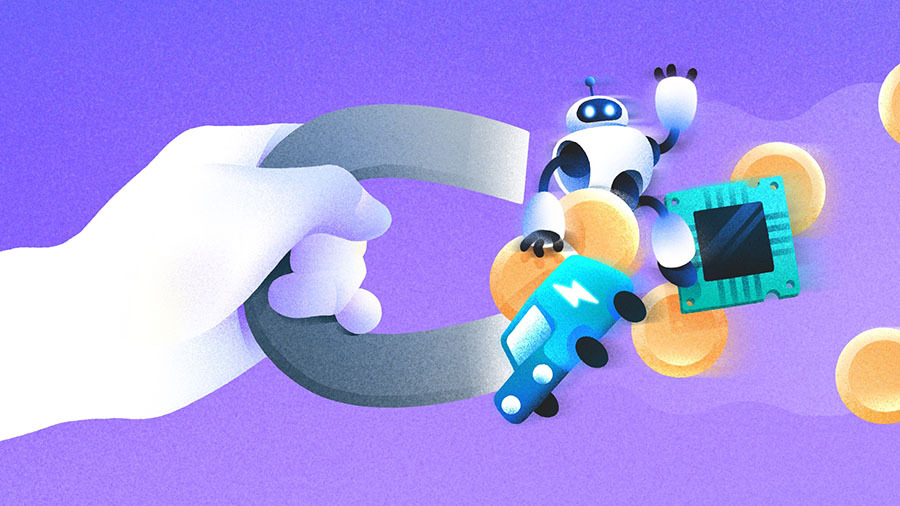
We are seeing the rise of the serial acquirer within the startup ecosystem itself. This isn't just Cisco or Google picking off competition. These are companies that were themselves seed-stage just a few years ago, now using their massive treasury of VC cash to swallow smaller teams. While OpenAI is the most visible name on the list, the trend is deeper, cutting into legal tech, healthcare, and customer service.
As a founder, you have to look at this move through two lenses: defensive survival and offensive expansion. If you can't build a feature fast enough to keep your valuation, you buy the team that already did. It is a shortcut to product-market fit in a market that is crowded and increasingly expensive.
OpenAI and the Power Play
It is no surprise that OpenAI is leading the pack. When you are the leader, your biggest threat isn't a lack of ideas—it's a lack of execution speed and specialized talent. By acquiring companies like Rockset, OpenAI isn't just getting a tool; they are getting a team that has already solved the hard problems of data indexing and retrieval. This is a classic talent grab, but it’s done at a scale that suggests a desire to own the entire stack.
For OpenAI, these acquisitions act as a hedge. They have the model, but they need the infrastructure and the specific industry hooks to make that model useful for enterprise clients. Instead of spending two years building a specialized data layer, they write a check and integrate it in three months. In the AI world, that time difference is the difference between staying a leader and becoming legacy tech.
The Vertical Integration of AI
Outside of the general-purpose giants, we are seeing a massive consolidation in vertical AI. Legal tech and healthcare are the primary battlegrounds. These sectors have high barriers to entry because of regulatory hurdles and the need for specialized data. Startups that raised hundreds of millions are finding it easier to buy a smaller firm with existing hospital partnerships or legal databases than to start from scratch.
This suggests that the 'app layer' of AI is maturing faster than we expected. We are moving past the phase of 'GPT-for-X' and into a phase of deep integration. The companies winning right now are the ones that realize their software needs to do more than just generate text—it needs to handle the boring, complicated back-office tasks that require specific domain expertise.
What This Means for Early-Stage Builders
If you are building an AI startup today, this shift changes your exit strategy. Previously, you were looking at a 10-year path to an IPO or a sale to a Big Tech firm. Now, your potential acquirer might be the Series D startup down the street. The 'middle market' for acquisitions is heating up.
- Focus on product gaps: Look at the giants in your sector. What are they missing? If you can build a highly specialized piece of the puzzle, you become a prime target for a roll-up.
- Valuation reality check: These acquiring startups are often paying with a mix of cash and their own inflated equity. You need to be careful about what kind of paper you are taking in a deal.
- Talent is the product: Often, these deals are less about the codebase and more about the five engineers who understand a specific niche of machine learning.
The Skeptical Take
We have to be honest: not all of these acquisitions will work. History is littered with startups that died because they tried to integrate too many different cultures and codebases too early. Buying a company is the easy part; making that team productive inside a different fast-growing organization is where most founders fail. There is a real risk that these serial acquirers are just bloated piles of technical debt hidden behind a high valuation.
When a startup becomes a serial acquirer, they stop being a pure innovation engine and start becoming a holding company. That shift requires a different kind of leadership. Managing three different acquisitions while trying to keep your core model relevant is a recipe for distraction. For some, these purchases are a sign of strength. For others, they are a desperate attempt to buy growth that they couldn't generate organically.
The Takeaway for Founders
The signal here is clear: the AI market is consolidating earlier than previous tech cycles. The window to be a standalone generalist is closing. If you aren't one of the few companies with a billion-dollar war chest, you need to be building something so specialized and so efficient that the giants have no choice but to buy you to save time.
Don't build a features list; build a moat that is too expensive for the big guys to ignore. In a world of serial acquirers, the best product doesn't always win, but the best shortcut usually gets bought.
We are entering a phase where the 'AI Startup' label is becoming too broad. We have the builders, the buyers, and the targets. The question for every founder right now is which one of those three they are actually positioned to be. If you don't know the answer, you're likely the target—and not necessarily in a good way.
Read the original at Crunchbase News →