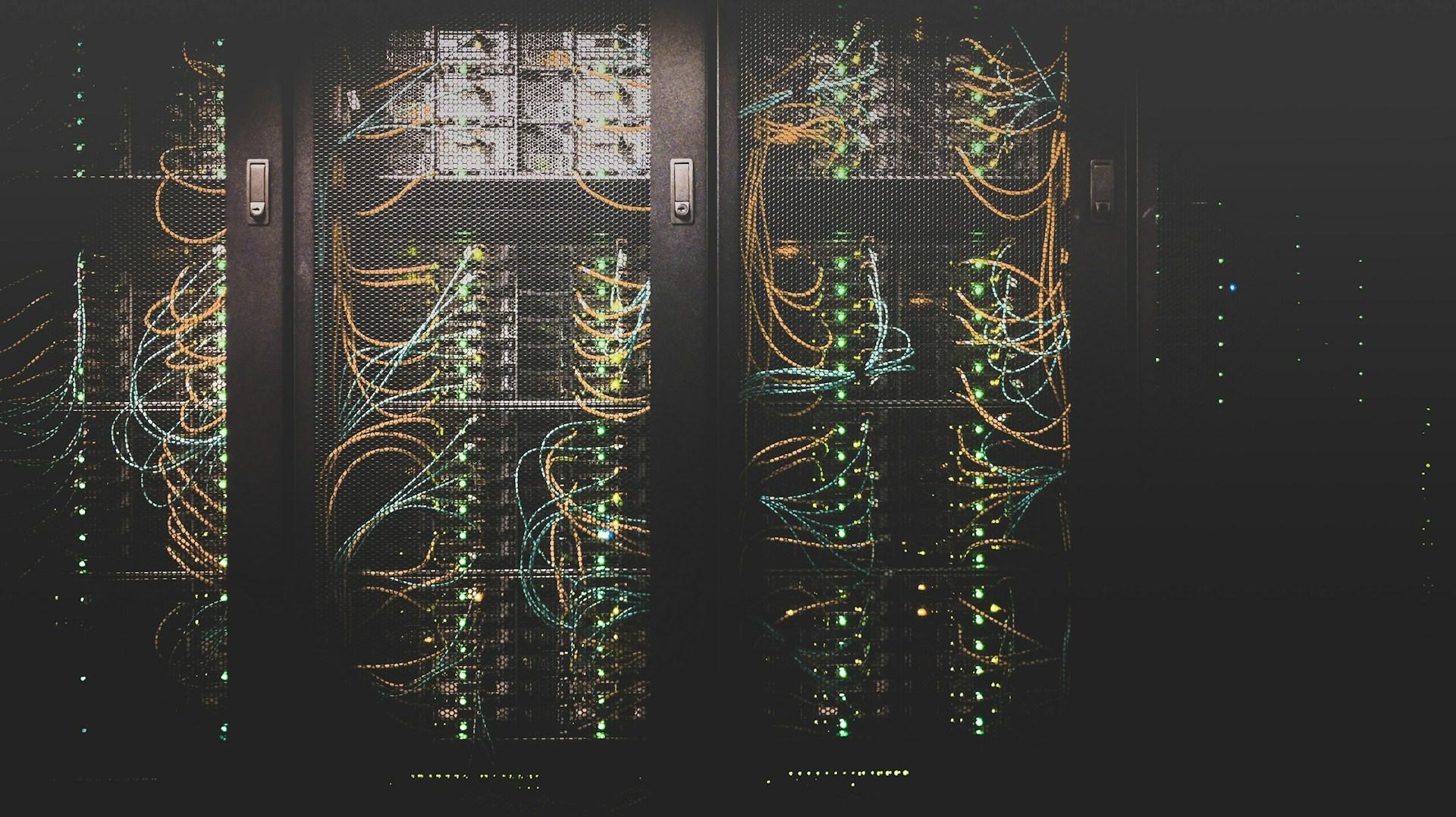
It is getting harder to recognize Core Scientific. Once the poster child for institutional Bitcoin mining, the company is effectively dismantling its old identity to become a landlord for the artificial intelligence boom. The latest evidence is a massive deal with AMD, securing high-end chips that suggest the pivot to high-performance computing (HPC) is no longer a side project—it is now the main event.
The Great Substitution
For years, the narrative in the mining sector was about hash rate and power efficiency. You bought tens of thousands of ASICs, you prayed for low energy costs, and you hoped the Bitcoin rewards outweighed the depreciation of your machines. Core Scientific played that game at a massive scale, even surviving a trip through Chapter 11 bankruptcy along the way. But the math has changed.
We recently saw the company walk away from a significant ASIC agreement with Block, Jack Dorsey's payments firm. That was the first clear signal that the company was clearing floor space. You don't dump specialized mining hardware unless you have something more profitable to put in those racks. The AMD deal confirms exactly what that replacement is. By securing AI-grade hardware, Core is moving from the volatile world of block rewards to the relatively stable, high-margin world of enterprise AI contracts.
Why Builders Should Care
If you are building in the crypto space, this exit is a reality check. One of the largest infrastructure providers in the world is essentially saying that selling compute to AI labs is a better business model than securing the Bitcoin network. For founders, this creates a few specific ripples:
- Infrastructure Scarcity: As massive data centers flip from SHA-256 mining to GPU-based AI hosting, the availability of turnkey, large-scale mining facilities is going to shrink.
- The Talent Migration: The engineers who spent a decade mastering cooling and power distribution for miners are now pivoting to the thermal challenges of H100s and AMD Instinct chips.
- Network Security: While Bitcoin’s hash rate remains high, the departure of diversified players like Core Scientific means the network is increasingly supported by those who have no choice but to mine, rather than those who can choose the most profitable use of their electricity.
The AMD Factor
Choosing AMD over the industry standard of Nvidia is a tactical move that builders should watch. Nvidia has a stranglehold on the market, but the lead times are brutal and the margins are squeezed by high upfront costs. By partnering with AMD, Core Scientific is betting on a multi-polar AI world where alternative silicon can perform just as well for specific large-scale training tasks.
For a founder, this is a lesson in supply chain diversification. Core isn't just buying chips; they are positioning themselves as the alternative to the Nvidia-saturated status quo. If AMD can continue to close the software gap with its ROCm platform, Core’s bet will look brilliant. If not, they’ve just filled their data centers with hardware that has a much lower resale value than the industry standard.
Infrastructure is the New Gold
In the crypto world, we talk a lot about decentralization, but the physical reality is that compute always clusters where the power is cheap and the permits are easy. Core Scientific spent years securing those power permits under the guise of Bitcoin mining. Now, they are using that regulatory and physical groundwork to jump into a different industry entirely.
This is a pivot of necessity. Post-halving, the economics of Bitcoin mining are a race to the bottom. AI, conversely, is currently a race to the top. When you have a massive debt load and shareholders to answer to, you go where the margins are. Core is simply following the money, even if it means leaving their crypto roots in the rearview mirror.
The shift suggests that the 'Bitcoin-to-AI pipeline' is not just a trend, but a survival strategy for firms with massive fixed costs.
The Skeptics View
We shouldn't ignore the risks here. AI data centers require vastly different configurations than Bitcoin mines. You need different cooling systems, significantly more robust networking gear, and a level of uptime that 'interruptible' mining loads never had to worry about. Core Scientific is essentially trying to rebuild their entire technical stack while simultaneously running a public company.
Is this a sign of the 'death' of mining? No. But it is a sign that mining is becoming a niche hobby for sovereign states and energy companies rather than a primary business for publicly traded tech firms. If you are building a project that relies on cheap, abundant, decentralized hash power, you need to realize that the 'abundant' part is being eaten by large language models.
Takeaway for the Industry
Core Scientific’s move is the final nail in the coffin for the idea that large-scale miners are 'Bitcoin maximalists.' They are power-arbitrage firms. The moment the arbitrage opportunity in AI became larger than the opportunity in Bitcoin, they switched. For builders, the lesson is clear: do not rely on the loyalty of infra providers. Solve your own hardware problems, or be prepared to pay AI prices for your compute space.
The AMD deal is a massive vote of confidence in the longevity of the AI boom, but it is also a quiet admission that the Bitcoin mining business model, in its current institutional form, is no longer the titan it once was.
Read the original at CoinDesk →