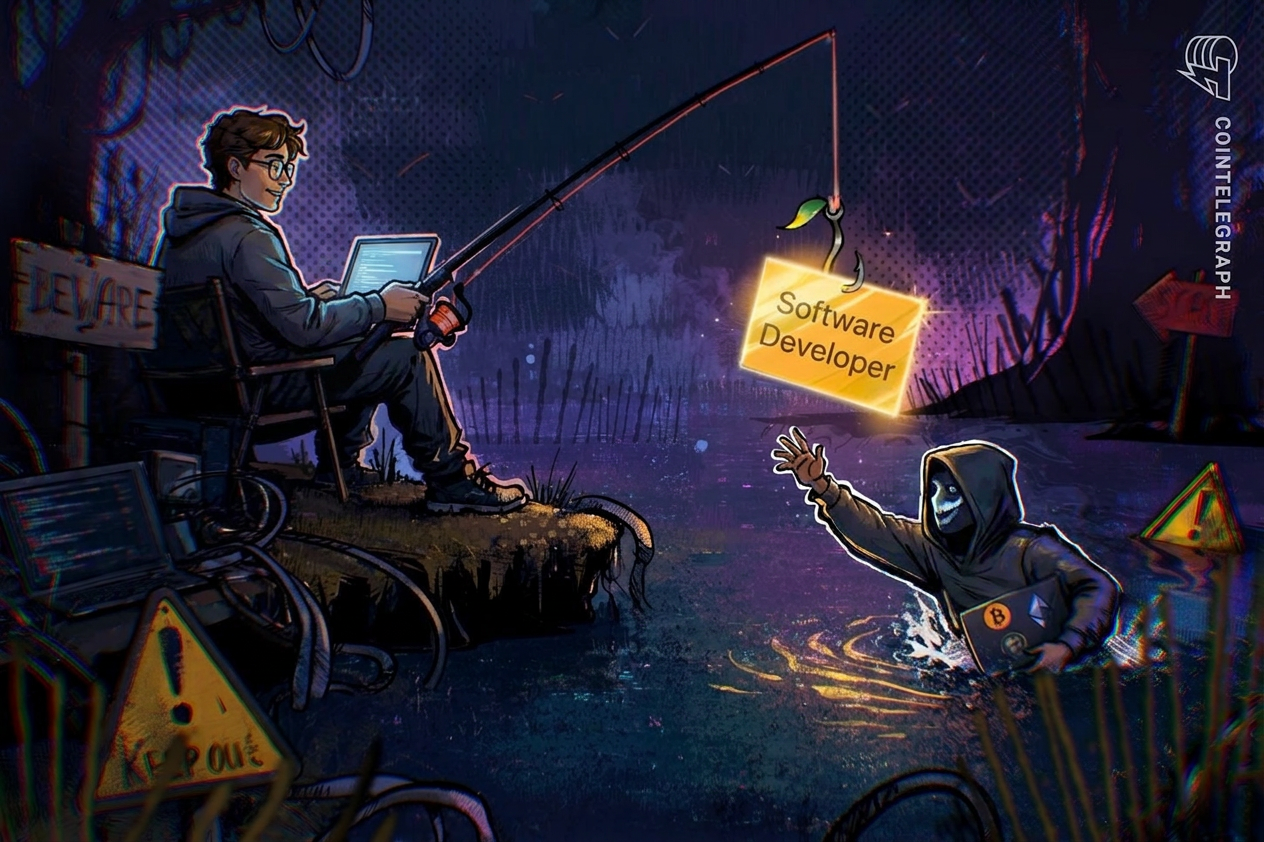
It sounds like the plot of a bad tech thriller, but for Consensys, it just became a very real security audit nightmare. One of the most influential entities in the Ethereum ecosystem unintentionally spent months paying a salary to a software developer who was actually a state-sponsored operative for North Korea. This isn't just an embarrassing HR blunder; it is a systemic warning for every founder building in the decentralized space.
The Trojan Horse in the Repository
The details coming out of this situation are uncomfortable. Consensys reportedly brought on a developer after an introduction through a third-party service provider that was supposed to be reputable. On paper, the candidate looked like a standard remote hire. In reality, according to subsequent investigations, the individual was part of a coordinated effort by the Democratic People's Republic of Korea to infiltrate major blockchain firms.
We have seen this pattern before with the Lazarus Group and other state-sponsored actors. Their goal is usually two-fold: generating hard currency for a sanctioned regime and planting backdoors in critical infrastructure. While Consensys has moved to mitigate the fallout, the fact that a developer could get through the gates at a firm this size should make every small-to-mid-sized founder sweat.
The Illusion of Third-Party Safety
The most dangerous part of this story is the role of the middleman. Many of us in the startup world rely on outsourced recruiting agencies or talent platforms to vet engineers. We pay a premium for these services specifically so we don't have to spend weeks verifiying identity documents and cross-referencing GitHub histories. We assume that if a firm is reputable, their vetting process is airtight.
Consensys apparently relied on exactly that kind of external validation, and it failed. For a builder, the takeaway is clear: you cannot outsource your final layer of security. If you are hiring for a role that has commit access to your core repository or handles sensitive keys, a third-party green light isn't enough. You are essentially trusting a recruiter's administrative assistant with the keys to your kingdom.
Why Crypto is the Primary Target
North Korea doesn't just target crypto because they like the tech. They target it because it is the most efficient way to bypass global financial sanctions. A single successful exploit or a redirected payroll account can fund state programs for months. This puts crypto founders in a unique position of being frontline targets for intelligence agencies, whether they realize it or not.
- Speed over Security: The pressure to ship features often leads to rushed hiring cycles.
- Anonymity Culture: The industry's history of pseudonymous contribution makes it easier for bad actors to blend in.
- Liquidity: Unlike traditional finance, compromised crypto assets can be tumbled and moved across borders in minutes.
The Founder's Dilemma: Trust vs. Verification
As a founder, I hate the idea of adding more bureaucracy to the hiring process. We want to move fast. We want to believe that the talent we find is who they say they are. But the Consensys incident proves that "Proof of Identity" is a broken concept in remote tech right now. Artificial intelligence can now forge video calls and voice notes, while stolen identities provide the paper trail needed to bypass basic KYC.
If a company with the resources of Consensys can get tricked, your three-person dev shop is a sitting duck. We need to stop viewing hiring as an HR function and start viewing it as a security function. This means multi-stage technical interviews that go beyond leetcode and actually deep-dive into a person's digital footprint and local professional network.
Infrastructure Under Pressure
Consensys helps maintain MetaMask and Infura. They are the plumbing of the decentralized web. When a state-sponsored actor gains access to that plumbing, it isn't just one company at risk; it's every user who interacts with an Ethereum dApp. This highlights a massive irony in our industry: we build decentralized protocols but often rely on highly centralized, vulnerable corporate structures to maintain them.
The developer in question was supposedly identified through a broader investigation into North Korean IT workers. This suggests that the breach was part of a much larger web of infiltration. It makes you wonder how many other "reputable" developers currently contributing to DeFi protocols are actually working for the same employer in Pyongyang.
The decentralized world is only as strong as the people who write the code. If the code is written by individuals whose interests are fundamentally opposed to the network's health, no amount of cryptography can save us.
Practical Steps for Builders
If you are currently scaling a team, you need to change your approach. First, stop trusting agencies blindly. If they can't provide a verified, physical history of a developer, walk away. Second, implement strict internal controls. No single hire should have the ability to push code to production without multiple layers of peer review. Third, consider the value of regional hiring. While the "work from anywhere" dream is great, there is a distinct security advantage to hiring in jurisdictions where you can actually verify a person's existence through local legal and professional records.
The Reality Check
I don't want to sound like a luddite or a nationalist, but we have to be honest about the risks. We are building the future of money. That makes us a target for the most sophisticated hackers on the planet. If your hiring process consists of a few Zoom calls and a quick check of a LinkedIn profile that was created six months ago, you are inviting disaster.
The Consensys situation is a wake-up call. It's a reminder that in crypto, the "human element" is almost always the weakest link. We spend millions on smart contract audits but pennies on background checks. That ratio needs to change if we want this industry to survive the scrutiny of global regulators and the constant attacks from state actors.
The Long Game
This isn't about one bad hire; it's about the evolving nature of cyber warfare. North Korea has turned IT talent into a weaponized export. As builders, we are the ones who have to build the shield. That starts with a healthy dose of skepticism and a realization that a "reputable third party" is no substitute for your own due diligence. Stay vigilant, verify everything, and remember that in this space, you aren't just building a product—you're defending a frontier.
Read the original at Cointelegraph →