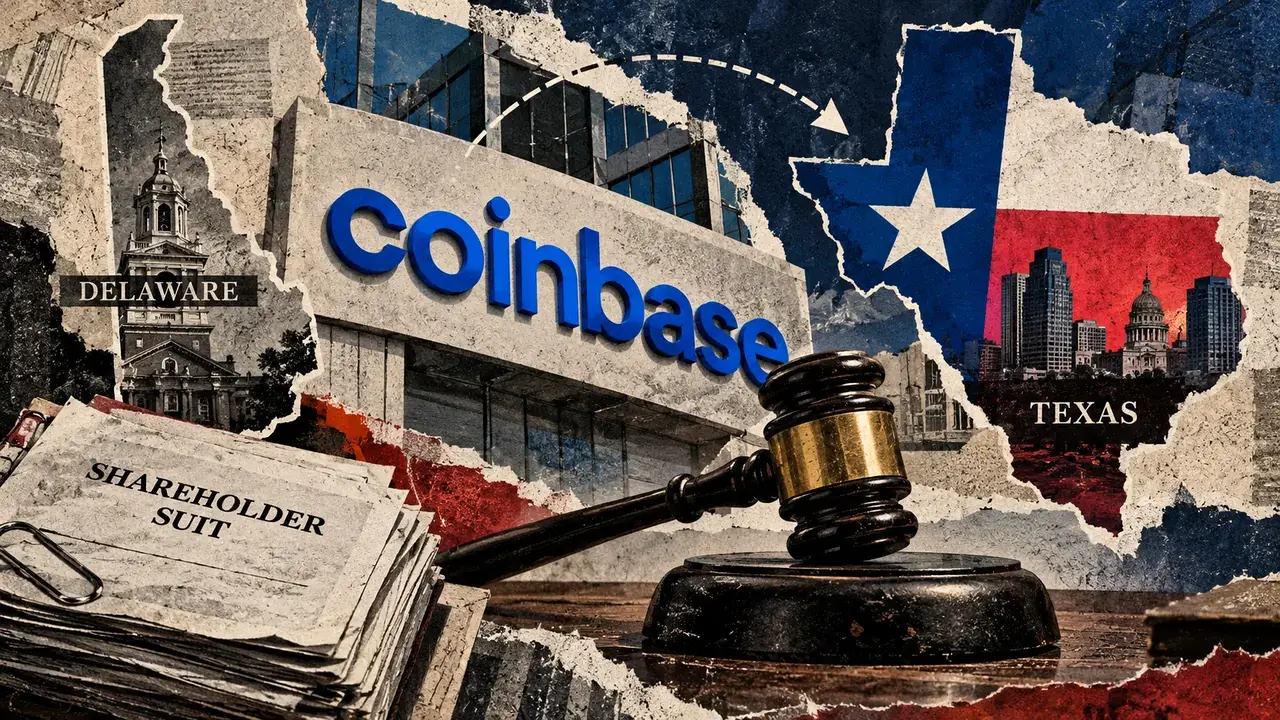
Corporate governance is rarely the stuff of headlines, but for anyone building in the crypto space, the recent dismissal of a shareholder lawsuit against Coinbase is a masterclass in jurisdictional strategy. The case, which centered on allegations of insider trading and executive misconduct during the company’s earlier years, hit a wall not because the claims were proven false, but because Coinbase changed its address.
Specifically, the company’s migration from Delaware to Texas created a procedural hurdle that the plaintiffs couldn't jump. A Texas federal judge ruled that the shareholders failed to follow the proper channels for filing a derivative suit under the laws that now govern the company. For builders, this isn't just a legal win for Brian Armstrong and his team; it is a signal that where you choose to plant your flag matters just as much as the code you write.
The Demand Requirement Trap
The core of this dismissal lies in what lawyers call the demand requirement. In a derivative lawsuit, a shareholder essentially tries to sue on behalf of the company itself, usually targeting the board of directors for failing to act against internal wrongdoing. However, before you can do that, you generally have to ask the board for permission to sue them. As you might imagine, boards rarely say yes to being sued.
In this case, the shareholders argued that asking the Coinbase board for permission would be a waste of time—a concept known as demand futility. They claimed the board was too conflicted to make an impartial decision. But because Coinbase is now a Texas-based entity, the court applied a stricter standard. The judge ruled that the shareholders hadn't proven that a formal written demand would have been useless. By not making that formal demand, the case was tossed before the actual merits of the insider trading allegations were even debated.
Why the Move to Texas Matters
Coinbase joined a growing list of tech and crypto firms fleeing Delaware for Texas. While Delaware has long been the gold standard for corporate law because of its specialized courts and predictable outcomes, it has recently become seen by some founders as too friendly to litigious shareholders. Texas, conversely, is positioning itself as a haven for companies that want more protection for their officers and directors.
For Coinbase, the timing of this move was impeccable. By the time this specific lawsuit reached a critical juncture, the company was already under the protection of Texas law. This created a scenario where claims based on actions from their Delaware years were filtered through the procedural lens of their new home. It is a tactical maneuver that effectively reset the scoreboard.
The Reality for Founders
If you are building a startup, you probably aren't thinking about derivative lawsuits yet. You are thinking about product-market fit and keeping the lights on. But the Coinbase situation proves that the legal foundation you lay in the early days has a long tail. Most founders default to Delaware because that is what VCs demand. However, as companies scale and the regulatory heat in crypto intensifies, the protection of the board becomes a massive operational concern.
- Procedural hurdles are a feature, not a bug: The requirement to ask a board for permission to sue is designed to prevent frivolous litigation from distracting the C-suite.
- Jurisdictional arbitrage is real: Moving a company isn't just about taxes; it's about which set of judges you want overseeing your worst-case scenarios.
- Transparency vs. Protection: While these rulings protect executives, they often leave shareholders feeling silenced. Finding a balance is key to maintaining long-term trust in a public market.
The Allegations Left in Limbo
It is important to note that the court did not exonerate the Coinbase leadership. The allegations involved claims that executives sold off massive amounts of stock while possessing non-public information about the company's health. These are heavy accusations that could have caused significant damage if the case proceeded to discovery.
By winning on a procedural technicality, Coinbase has avoided a messy public airing of its internal emails and board minutes. This is a recurring theme in the crypto industry: the biggest battles are often won or lost in the boring, technical footnotes of legal filings rather than in the courtroom drama we see on TV.
The Takeaway for the Ecosystem
We are seeing a shift in the power dynamic between shareholders and crypto giants. As firms like Coinbase, Ripple, and others mature, they are becoming increasingly sophisticated in how they use the legal system to buffer themselves against internal and external pressure. The Texas move was a calculated risk that paid off, effectively shielding the board from a retrospective look at their conduct during the last bull run.
For the builder, the lesson is simple: do not treat your choice of incorporation as a checkbox. Understand the litigation climate of your jurisdiction. If you are building something that challenges the status quo, you will eventually be sued. Whether that suit survives the first round of motions might depend entirely on which state's name is on your articles of incorporation.
The legal architecture of a crypto company is now as important as its technical architecture. If you don't build it to withstand a hostile board environment, the whole thing can be dismantled by a single well-placed lawsuit.
Coinbase has survived this round, but the underlying tension remains. As long as there is a perceived gap between executive actions and shareholder interests, the lawsuits will keep coming. The only difference now is that the hurdles to get them into a courtroom are getting much, much higher.
Read the original at CryptoSlate →