The Expansion of the Coinbase Footprint
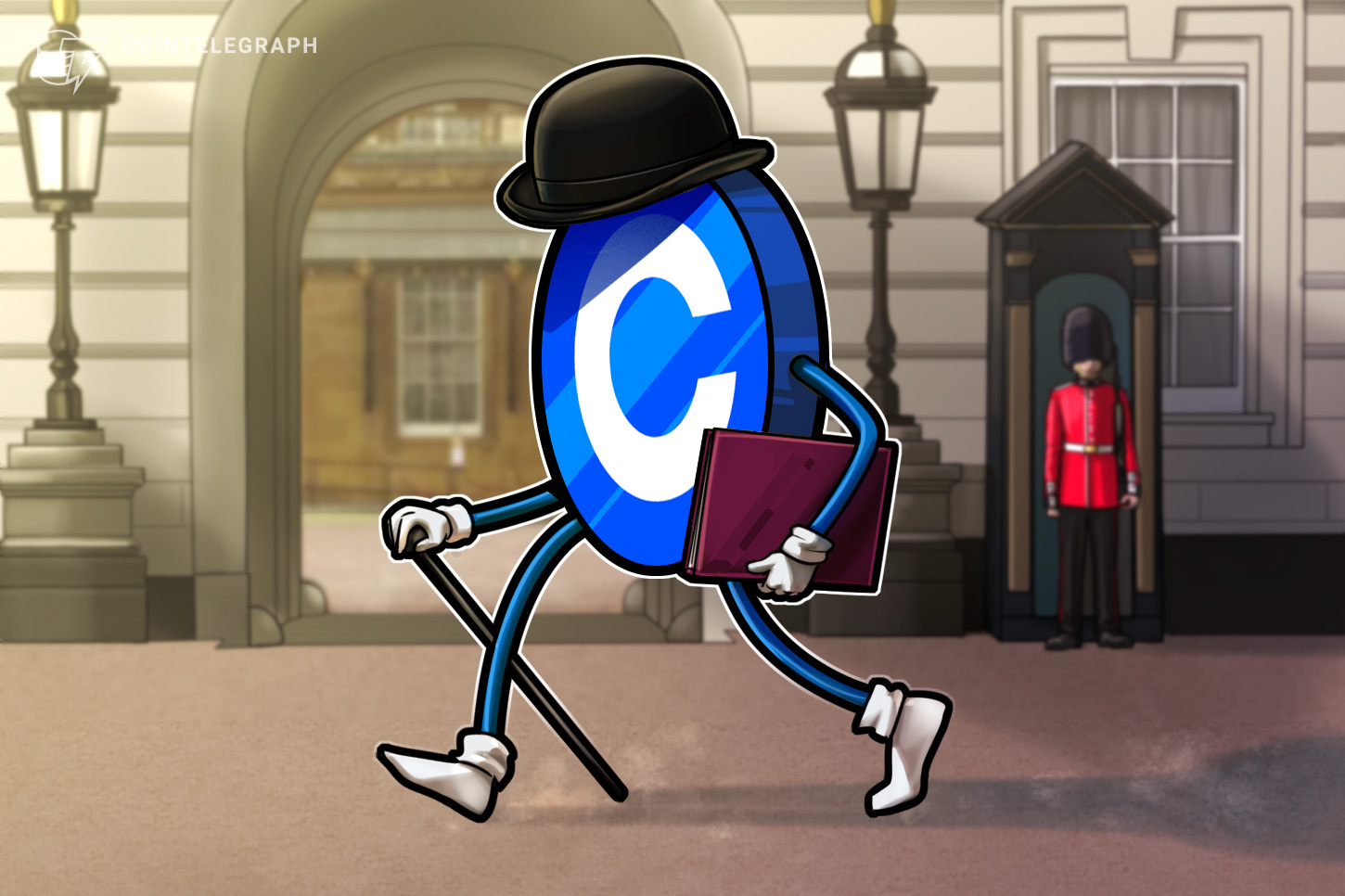
Coinbase recently secured an investment services license in the United Kingdom, a move that allows them to move beyond pure spot crypto trading and into the worlds of derivatives and equities. This isn't just a regulatory win; it's a strategic pivot. For years, we've looked at Coinbase as the front door to crypto. Now, they are positioning themselves to be the front door to everything financial.
By acquiring this license, Coinbase is signaling that they are no longer content being just a crypto exchange. They want to be a full-scale brokerage that competes with the likes of Revolut or Robinhood on their own turf. In the UK, which has been trying to position itself as a global crypto hub, this move gives Coinbase the institutional weight it needs to capture more than just the retail speculator. It allows them to offer complex products that professional traders and institutions actually want.
Building in the Shadow of TradFi
As a builder, you have to look at this and ask: where is the moat? For a long time, the moat for crypto companies was simply having the technical infrastructure to handle blockchain transactions. But as the regulatory landscape matures, the moat is shifting toward compliance and product depth. Coinbase is playing the long game here. They aren't just shipping code; they are shipping legal certainty.
For founders in the DeFi space, this is a double-edged sword. On one hand, Coinbase bringing traditional assets like equities into their ecosystem could provide a massive onboarding ramp for real-world assets. On the other hand, it creates a massive centralized gatekeeper that holds all the keys. If you are building a decentralized derivative platform, your biggest competitor just became a regulated incumbent with a massive user base and a direct line to the regulators.
Why the UK Matters Now
The UK has been a bit of a battleground for crypto regulations. While the US SEC seems intent on regulating by enforcement, the UK has been more focused on setting up a functional framework. By securing this license, Coinbase is essentially double-downing on the idea that the future of finance is hybrid. They are betting that users don't want to go to one app for their Bitcoin and another app for their NVDA shares.
This consolidation is a trend I've been watching for a while. We are moving away from the era of hyper-niche, fragmented apps. Users are tired of managing twelve different wallets and three brokerage accounts. Coinbase is leaning into that friction and trying to erase it. If they can successfully merge the speed of crypto with the reliability of traditional equities in a single regulated environment, they become very hard to displace.
The Derivative Play
Let’s talk about derivatives. In the crypto world, derivatives—specifically perpetual swaps and futures—are where the real volume lives. Historically, much of this has happened on offshore, unregulated exchanges. By bringing this under a UK license, Coinbase is trying to repatriate that volume. They want the high-frequency traders who are currently taking their business to less transparent jurisdictions.
For builders, this suggests that the next wave of innovation needs to focus on how to integrate with these regulated giants rather than just trying to bypass them. The "unregulated" era of crypto is closing fast, especially in major markets like Europe and the UK. If your project doesn't have a plan for how it interacts with a regulated broker, you might be building for a market that won't exist in three years.
A Reality Check for Founders
I’ve always said that honesty is the most important currency in this space. The honest truth here is that Coinbase is becoming a bank. They might not call themselves that yet, but when you offer equities, derivatives, and custody, you are a financial institution first and a tech company second. This means the overhead for competing with them is going up exponentially.
If you are a founder, don't try to out-Coinbase Coinbase. You won't win the licensing race. Instead, look for the gaps they are leaving behind. Coinbase is becoming a giant, regulated machine. That means they will be slow to list certain types of assets, they will have high fees, and they will likely have to implement stricter and stricter KYC/AML standards. The opportunity for builders is in the margins—privacy, permissionless access, and truly decentralized structures that don't rely on a single entity's permission to exist.
The Equities Integration
Adding equities trading is a move for stickiness. If a user buys their first fractional share of an AI stock on Coinbase, they are much more likely to keep their ETH and USDC there as well. It’s an ecosystem play. For those working in the AI and crypto intersection, this is particularly relevant. As we see more autonomous agents needing to transact in both digital assets and traditional infrastructure, having a bridge like the one Coinbase is building is essential.
However, we must remain skeptical of the centralized risks. We saw what happened with FTX. While Coinbase has a much better track record and more oversight, the concentration of power in a single platform is always something to watch. As builders, our job is to ensure that while these bridges exist, the underlying protocols remain open and accessible to everyone, not just those with a Coinbase account.
The Long-Term Takeaway
This move by Coinbase to secure a UK investment services license is a signal that the "crypto winter" mentality of just surviving is over. They are now in an expansion phase. They are mapping out the future of what a 21st-century financial entity looks like. It’s a hybrid model that blends the old and the new.
My advice to builders is to watch this closely but stay focused on the fundamentals. Regulation is coming for everyone. Use this as a map for where the professional money is going. If the big players are moving into derivatives and equities under a regulated banner, that is where the liquidity will pool. You can either build the tools that help users navigate that liquidity, or you can build the alternatives for those who don't want to be part of the centralized system. Both are valid paths, but you have to choose one.
Keep your head down, keep shipping, but don't ignore the fact that the giants are moving. The landscape just changed, and you need to adjust your strategy accordingly.
Read the original at The Block →