We have all seen it happen over the last eighteen months. A project that was once a layer-2 scaling solution or a decentralized storage play suddenly updates its Twitter bio. All of a sudden, they are an AI-powered autonomous agent network. The logo stays the same, but the buzzwords shift. It is the classic tech industry dance: follow the venture capital dollars until the music stops.
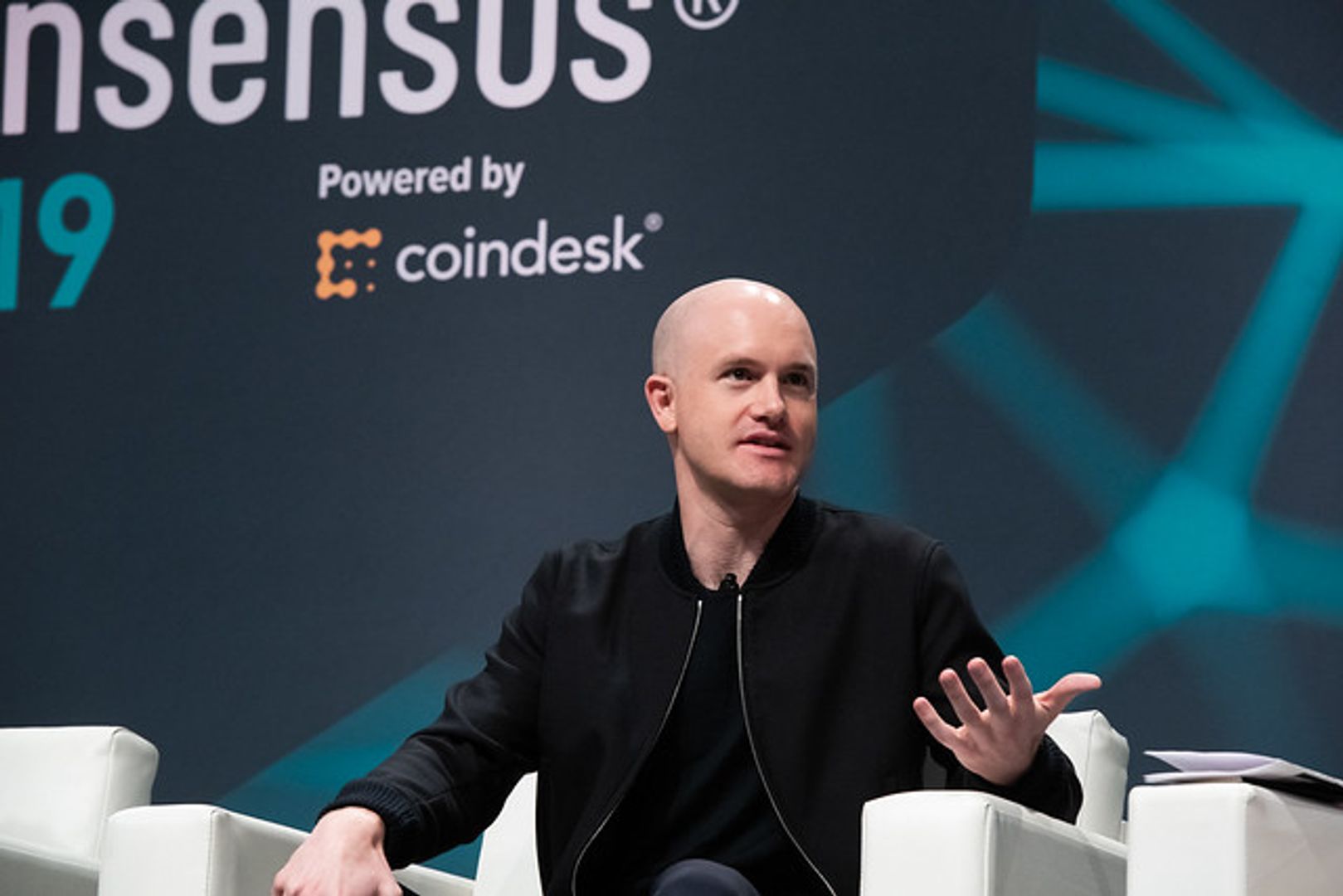
Brian Armstrong, the CEO of Coinbase, finally voiced what a lot of us in the trenches have been thinking. During a recent public appearance, he took a swing at crypto startups that are abandoning their original missions to chase the artificial intelligence trend. To Armstrong, this is not just a branding mistake; it is a fundamental misunderstanding of what blockchains are actually for.
The Pivot Trap
In the startup world, pivoting is usually praised as a sign of agility. If your first idea does not work, you find a new one. But there is a difference between pivoting because you found a better product-market fit and pivoting because your current sector is in a bear market while another is on fire. One is a strategic move; the other is a desperate grab for relevance.
Armstrong’s critique centers on the idea that crypto and AI are not competing sectors. When a crypto founder rebrands to AI, they are often implying that blockchain was just a phase. They are treating the technology like a trend rather than a foundation. For those of us building long-term infrastructure, that is a frustrating signal to send to the market.
The reality is that most of these rebrands are shallow. If you look under the hood of a startup that rebranded from a DEX to an AI aggregator overnight, you usually find the same old code with a few new API calls to OpenAI. It is marketing theater, and it honestly makes the entire industry look unserious.
Blockchains as the Infrastructure of Automation
The most important point Armstrong made is that blockchain technology is general-purpose infrastructure. He views it as the underlying layer that will support future automation. In his view, we do not need to choose between crypto and AI because AI requires crypto to function at scale.
Think about the logistics of an autonomous world. If you have an AI agent that needs to buy cloud computing power, verify a data set, or pay another agent for a service, it cannot open a bank account at Chase. It cannot wait three days for a wire transfer to clear. It needs a programmable, permissionless, and instant settlement layer. That is exactly what a blockchain is.
By rebranding away from crypto, these startups are turning their backs on the very tool that makes autonomous agents viable. Instead of building the rails that AI will run on, they are trying to compete in the highly saturated market of LLM wrappers and model fine-tuning. It is high-risk, low-moat territory.
Why Founders Are Chasing the Shiny Object
It is easy to blame the founders, but we have to look at the incentives. The venture capital landscape changed almost overnight in 2023. Seed rounds for crypto projects dried up while anything with AI in the deck was getting oversubscribed at astronomical valuations. For a founder with six months of runway left, a rebrand can look like a survival tactic.
However, Armstrong is right to point out that this short-term survival comes at a long-term cost. Building a brand takes years. Trust in the crypto space is hard-won and easily lost. When you pivot to the flavor of the month, you tell your early adopters that you were never committed to the original vision. You become a commodity founder.
Real Integration vs. Marketing Gloss
There is a right way to do this, and then there is the way Armstrong is criticizing. The right way involves asking how cryptographic proofs can solve the massive problems AI is creating. We have a growing crisis of authenticity. Deepfakes are everywhere, and data provenance is becoming impossible to track. Blockchain provides a solution through digital signatures and immutable ledgers.
Startups that are actually doing the work are looking at decentralized compute (DePIN) or zero-knowledge proofs for model verification. They aren't changing their identity; they are expanding their utility. They remain crypto companies that happen to serve the AI industry. That is a position of strength. Shifting your entire identity to be an AI company because you think crypto is over is a position of weakness.
The Infrastructure Play is the Long Play
As a founder, it is tempting to want to be where the noise is. But the real wealth in tech is almost always built by the people who provide the fundamental utilities. Amazon did not just sell books; they built AWS because they realized everyone would eventually need cloud infrastructure. Coinbase did not just trade Bitcoin; they built the compliance and storage rails for the entire ecosystem.
Armstrong’s stance reflects a builder-first mentality. He is essentially saying: stay in your lane and make the lane better. If crypto is the future of money and ownership, then it will naturally become the playground where AI agents live and work. We do not need more AI startups; we need more robust financial infrastructure that machines can use.
- Focus on utility: Don't change your tech stack to match a press release. Ensure your product solves a problem regardless of what the current hype cycle says.
- Identify the synergy: If you are interested in AI, look at how blockchain solves AI's problems—like compute scarcity or data transparency.
- Ignore the noise: VC trends come and go. Infrastructure is forever.
The skepticism from leaders like Armstrong is a healthy sign for the industry. It means we are moving past the era where every new technology is treated like a magic wand. We are finally starting to talk about how these pieces fit together to build a functional digital economy.
For those of us building, the takeaway is clear. Do not be distracted by the pivot. The most successful projects in the next decade will be the ones that stayed the course, ignored the rebrand pressure, and focused on building one thing exceptionally well. If you are building the future of the internet, you don't need a new buzzword every twelve months to prove it.
Read the original at CoinDesk →