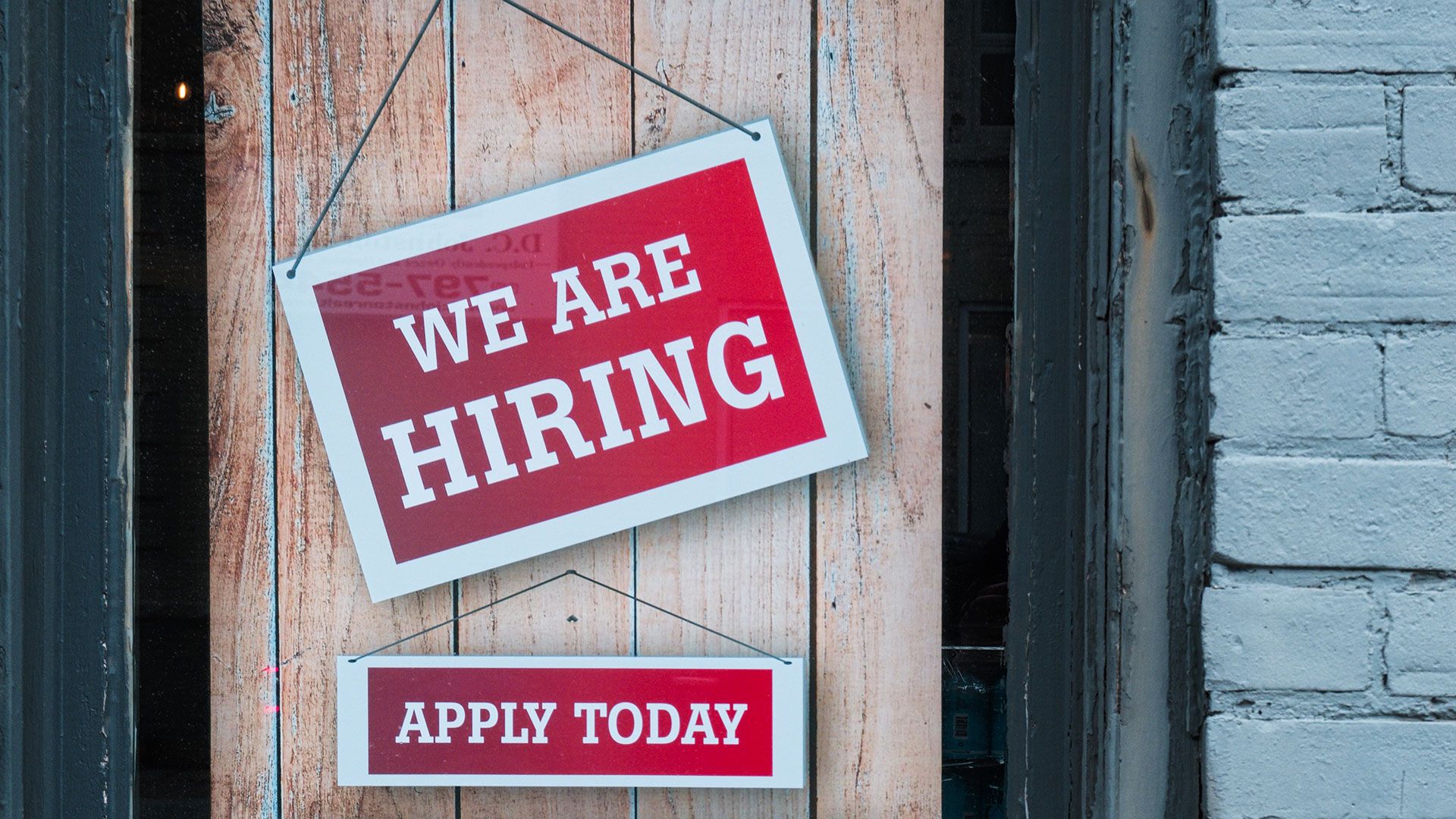
We are down to the wire. The organizers of TechCrunch Disrupt have put out the final call for exhibitors for the 2026 event. If you are a founder sitting on the fence about whether to drop the cash for a table, you have exactly 24 hours to make the call. The conference is set to take over the Moscone Center from October 13 to 15, and the sales team is cleaning up the last of the inventory.
It is easy to get caught up in the FOMO of these deadlines. As someone who has spent years dissecting the mechanics of the tech industry, I have seen these cycles repeat. The marketing will tell you that 10,000 attendees are waiting to see your product. The reality is that the value of these events has shifted significantly in the post-pandemic, AI-driven era. We need to look at what it actually means to build in public at this scale.
The Myth of the Magic Booth
Early-stage builders often fall into a trap. They think that securing a spot on the expo floor is a shortcut to product-market fit or a guaranteed bridge to a Series A lead. It is not. A booth is just a lease on a few square feet of carpet. What you do with that space determines if you are wasting company runway or making a tactical move.
If you are an AI infrastructure play or a crypto protocol builder, the "standard" startup pitch is dead. The people walking the floor at Disrupt in 2026 are not looking for polished slides; they are looking for functional resilience. They want to see that your agentic workflows actually execute or that your rollup isn't just a centralized database with a fancy logo. If you don't have something that stands up to technical scrutiny, a booth will only expose your flaws faster.
The Ecosystem Play
Despite my skepticism of high-priced trade show floors, there is a reason these events persist. The concentrated density of people is hard to replicate. In a world where every LinkedIn inbox is a graveyard of automated outreach, physically standing in front of an operator from a major fund or a senior engineer from a potential partner has utility. It is about the high-bandwidth communication that happens in person.
For founders, the goal shouldn't be to "exhibit." The goal should be to create a gravitational pull. If you are paying for the table, you are paying for a home base. It is a place where you can tell people to meet you after you've spent the morning back-channeling in the hallways. The table is the anchor, not the ship.
Who Should Hit Buy?
I would argue that exhibiting makes sense for three specific types of builders right now. First, those who are ready for pilot programs. If your product is out of stealth and you need high-level feedback from 100 different people in 48 hours, this is the place to do it. You won't get better stress testing than this.
Second, if you are building in a crowded niche. If there are ten other startups doing exactly what you do, and they are all showing up, you might have to be there just to defend your territory. It’s defensive marketing, which I generally dislike, but it’s a reality in competitive cycles. Third, for those looking to hire. The talent density at these shows is usually high, and if you are looking for that specific type of dev who is both technical and understands the business side of the stack, they are usually lurking near the booths.
The 24-Hour Reality Check
Before you pull the trigger in this final window, you need to run the math. The cost of the booth is just the entry fee. You have to factor in the T&E, the collateral, and most importantly, the opportunity cost of pulling your core team away from building for three full days. For a four-person startup, that is a massive hit to velocity.
I have seen founders spend $5,000 on a booth and $10,000 on travel, only to stand behind a table looking at their phones because they didn't have a plan. Don't be that founder. If you aren't prepared to be an aggressive advocate for your build for 10 hours a day, save your capital. The capital is better spent on compute or a new hire.
Building Beyond the Floor
What the official materials won't tell you is that the real work at Disrupt often happens in the coffee shops three blocks away or at the unofficial side events. The expo floor is the top of the funnel. If you do decide to exhibit, your metric for success should not be "leads" collected via a QR code. It should be the three or four deep-dive conversations that lead to a follow-up meeting the week after the show.
We are in a builder's market, but it is a noisy one. The signal is harder to find than ever. Whether you are on the floor or just observing from the sidelines, the focus has to remain on the utility of what we are creating. AI and crypto are converging into a new stack, and that stack needs founders who care more about the architecture than the booth graphics.
The most dangerous thing a founder can do is confuse activity with progress. A trade show is a lot of activity. Make sure it's actual progress.
The Takeaway
The deadline is September 18. If you have the product ready, the stamina to pitch for 72 hours, and a clear tactical goal for why you need to be in San Francisco this October, then get the table. If you're doing it because you think you "should" or because you're hoping for a miracle, keep your money. In 2026, the builders who win aren't the ones with the flashiest setups; they're the ones who can explain why their technology matters while standing in the middle of a crowd. Make your choice, then get back to work.
Read the original at TechCrunch Startups →