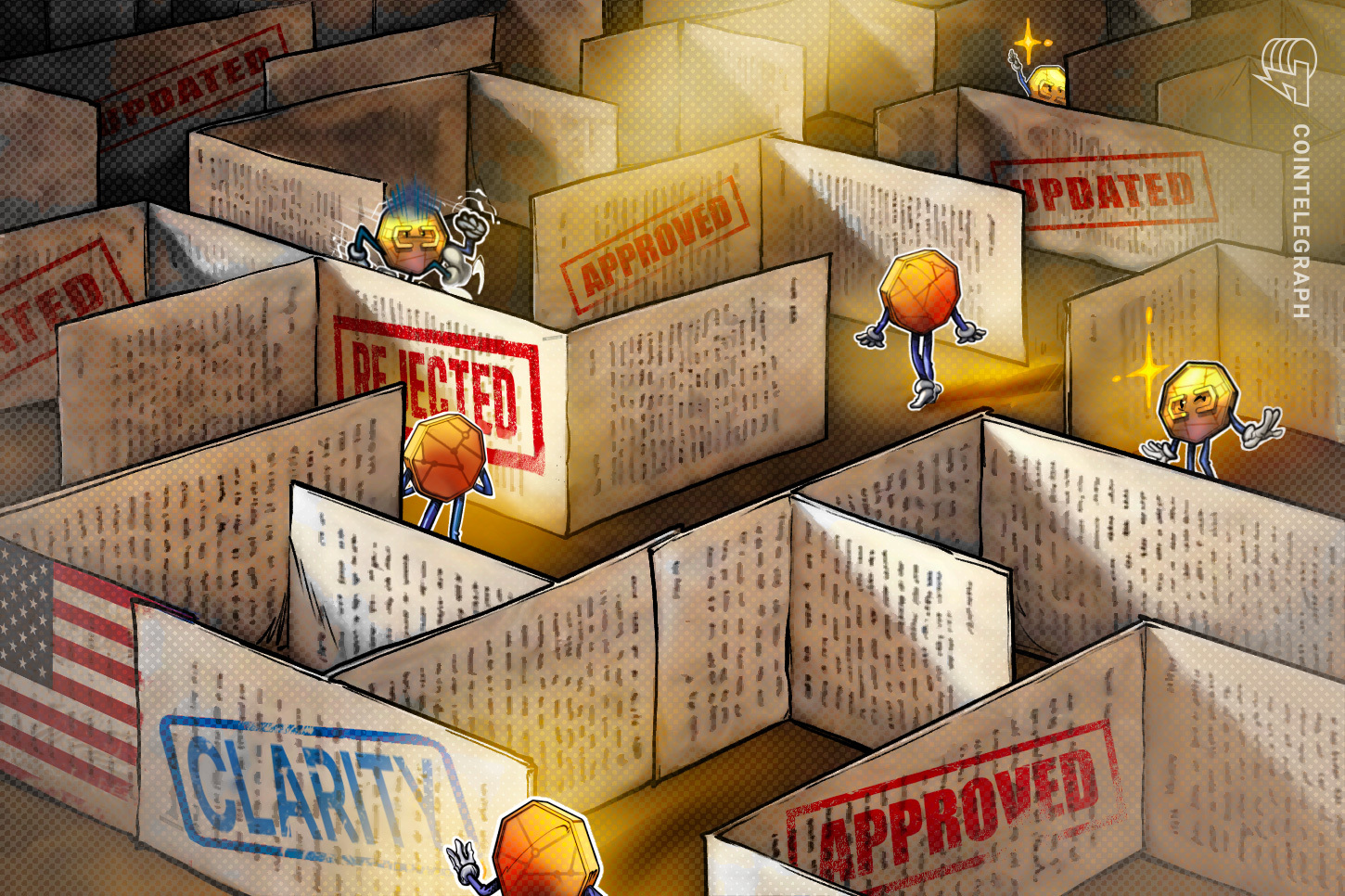
The CLARITY Act is moving through the gears of the federal machine, and it recently picked up a second endorsement from the law enforcement community. The Federal Law Enforcement Officers Association (FLEOA) has joined the National Sheriffs’ Association in backing a bill that essentially aims to purge Chinese blockchain tech from the U.S. government’s tech stack. To the average observer, this looks like a standard national security play. To those of us building in this space, it is a signal that the infrastructure we choose is becoming a political battleground.
The Breakdown of the Move
The Creating Legal Accountability for Rogue Innovators and Technology Act—or CLARITY Act—is relatively straightforward in its primary objective. It wants to ban federal agencies from using blockchain technology developed by China or other designated foreign adversaries. This includes the heavy hitters like the BSN (Blockchain-based Service Network) and established names like Ant Group.
For the FLEOA, the logic is simple: data sovereignty. They represent thousands of federal agents, the same people handling sensitive investigations and classified data. Their concern is that if the underlying ledger for government operations is built on foreign-vetted code, the visibility into those operations is a security leak waiting to happen. However, while the FLEOA is on board with the spirit of the bill, they aren't satisfied with the current draft. They have asked for more precise language to ensure the law doesn't accidentally kneecap the legitimate use of decentralized technologies that are actually secure.
Why Builders Should Care About Legal Wording
When law enforcement groups ask for "clarity" in a bill called the CLARITY Act, it usually means the definitions are too broad. This is where the founder’s perspective comes in. If you are building a protocol or a service that the government might eventually use, the definition of "foreign-controlled" is everything. In a decentralized world, where developers are often anonymous or spread across thirty different jurisdictions, proving you don't have "adversary influence" can become an administrative nightmare.
The FLEOA is worried that vague language might create loopholes or, conversely, create overreach that stops them from using necessary tools. For developers, this should be a reminder that your technical stack matters. We often choose technologies based on speed, cost, or community size. Now, we have to start choosing them based on their geopolitical origin if we want any sniff of a public sector contract.
The BSN Problem
The specific target here is China’s BSN. China has been very smart about building top-down blockchain infrastructure. They saw the value of a unified ledger system early on. But they built it with backdoors and monitoring tools integrated into the core. For the U.S. government, using a system like that is a non-starter. The CLARITY Act is the defensive wall against that integration.
The bill would also prevent government officials from interacting with these prohibited networks. This creates a firewall between the U.S. fiscal and administrative infrastructure and the networks controlled by the CCP. It sounds like a cold war for the digital age because that is exactly what it is. We are seeing a bifurcation of the internet into separate "trust zones."
The Reality for Startups
If you are a founder, you might think you don't care about what federal agents use. You’re building for the open market. But history shows that federal standards often become industry standards. If the government bans a specific chain or a specific set of tools, the enterprise world follows. The compliance departments at major banks and tech firms aren't going to risk running on a network that the Senate has labeled a security risk.
This is the skepticism we have to maintain. While the bill aims to protect national security, it also runs the risk of politicizing the base layers of the internet. If we reach a point where every line of code has to be audited for its national origin, the pace of innovation slows down to a crawl. We have already seen this with 5G hardware; it is now happening with software ledgers.
The Push to the Senate
The support from the FLEOA makes it much easier for the Senate to pass this. Law enforcement endorsements are the ultimate shield for politicians. It allows them to frame the bill as a "pro-safety" move rather than just a trade war move. With the primary push coming as we head into a new legislative cycle, expect this to move faster than most crypto-related bills.
The bill is led by Senators Marsha Blackburn and Michelle Steel, who have been vocal about the "technological aggression" coming from overseas. The narrative is set: chain-agnosticism is dying in the public sector. If your project relies on infrastructure that has even a whiff of being subsidized by a foreign state, your exit strategy to the government or large-scale enterprise just got a lot more complicated.
The Long-Term Play
We are entering an era of "Verified Tech." It won't be enough to have a secure protocol; you will need to have a politically vetted protocol. This flies in the face of the original ethos of blockchain—being permissionless and borderless. But when the reality of state actors and intelligence agencies enters the room, the idealistic side of crypto has to pay the tax.
Builders need to be auditing their own dependencies now. Don't wait for a bill to become law to realize half of your infrastructure is built on a service that the U.S. government considers a threat to national security. The FLEOA’s endorsement is just the latest confirmation that the lines are being drawn in the sand.
Takeaway
The CLARITY Act is moving from a theoretical concern to a practical reality with the backing of federal law enforcement. This isn't just about banning Chinese coins; it's about the U.S. government defining which blockchains are "safe" for the future of the economy. For founders, the lesson is clear: your tech stack is a political statement, whether you want it to be or not.
Read the original at Cointelegraph →