The Scale of the Fracture
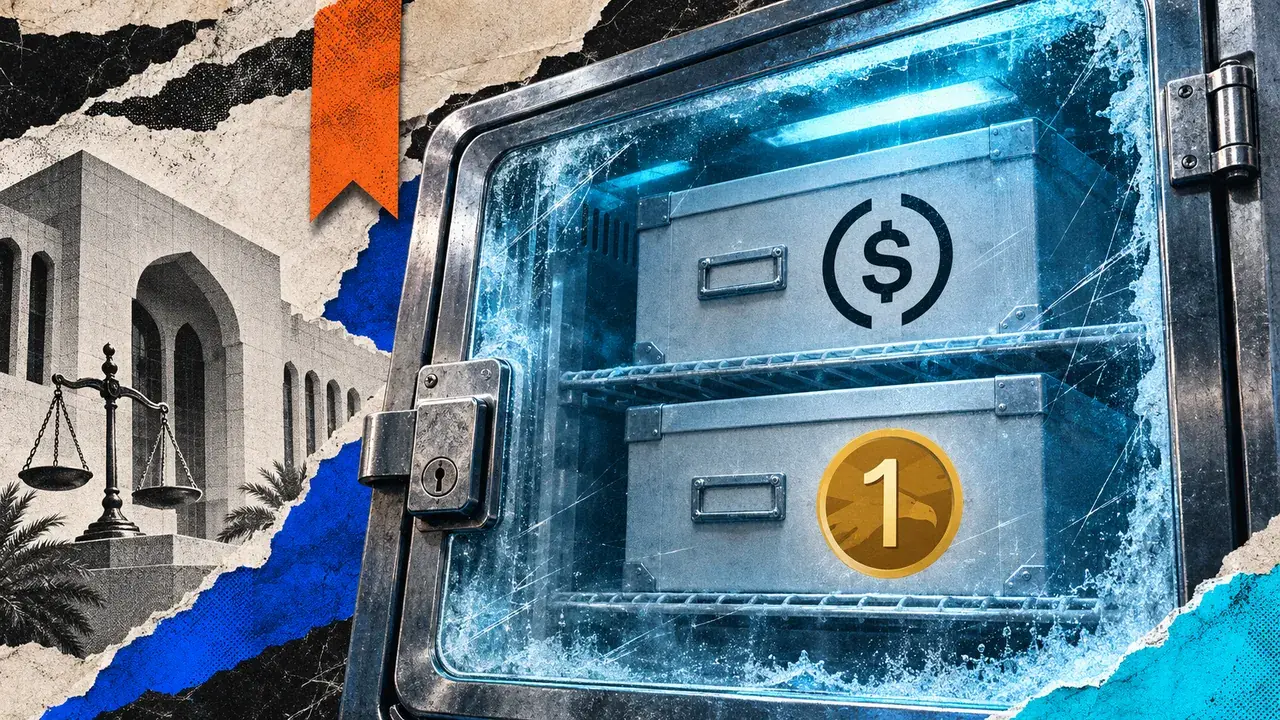
In the world of building, we often talk about stress tests. We push our code to the limit in staging, hoping to find the cracks before the users do. But what just happened with Binance isn't a crack; it is a structural collapse. A reported $6.3 billion hack has sent shockwaves through the ecosystem, leading to a court-ordered freeze that is now touching some of the biggest names in the industry, including Circle and the Trump-backed World Liberty Financial.
This isn't just another headline about a bridge exploit or a flash loan attack. When you get into the billions, you are talking about systemic risk. The legal system, which usually moves at the speed of a dial-up modem, has reacted with surprising velocity. A temporary restraining order is now in effect, effectively locking down specific assets to prevent the hackers from washing the loot through the broader DeFi and CeFi rails.
Why Circle and World Liberty Financial Are Involved
For builders, the immediate question is: why them? Neither Circle nor World Liberty Financial were the ones who got hacked. However, in the aftermath of a breach this large, the flow of funds becomes the primary focus for law enforcement. Stablecoins are the lifeblood of crypto liquidity, and USDC is the go-to for anyone looking for perceived regulatory compliance. If the attackers moved funds into USDC, Circle has the centralized power to freeze those addresses. In this case, the court isn't asking; it is telling.
The inclusion of World Liberty Financial adds a layer of political and reputational complexity. Because this project is so closely tied to the Trump family, it carries a giant target. The freeze order here suggests that the stolen funds may have touched their ecosystem or that the court is being exceptionally broad in its attempt to wall off the stolen capital. For a founder, this is a grim reminder that your platform’s integrity is only as good as the cleanliness of the liquidity flowing through it.
The Reissuance Game: Tether’s Different Path
Interestingly, Tether is taking a different route. While Circle is dealing with court-mandated freezes, Tether has indicated they will work directly with Binance on the reissuance of tokens. This highlights the fundamental difference between how these two giants operate. Circle tends to lean into the legal system, while Tether often operates as a parallel utility, handling matters directly with exchanges.
From a builder's perspective, this split is fascinating. If you are building a protocol, you have to decide which type of stability you value more: the one backed by the U.S. court system or the one that moves with the speed of private negotiation. In a crisis, Tether’s approach might be faster, but Circle’s approach is what institutional investors usually demand for their compliance checklists.
The Dec. 1 Hearing: What to Watch
There is a hearing scheduled for December 1st to decide if these freezes should be extended or made permanent. This is the date every founder in the space should mark on their calendar. We are going to see exactly how much jurisdiction a court can claim over decentralized protocols and stablecoin issuers when billions of dollars are at stake.
If the freeze is extended, it sets a precedent that the legal system can effectively 'pause' parts of the blockchain if the crime is big enough. This is the ultimate double-edged sword. On one hand, it helps recover stolen user funds. On the other hand, it completely undermines the narrative of censorship-resistant money. You can’t have it both ways.
The Founder’s Dilemma: Security vs. Sovereignty
If you’re building in this space right now, you’re probably feeling a bit of whiplash. We tell our users that their keys mean their coins, but then we watch a court freeze billions of dollars with a single order. It makes you realize that as long as we rely on centralized on-ramps and fiat-backed stablecoins, we are still tethered to the old world’s rules.
The Binance hack is a reminder that even the biggest players are vulnerable. If a company with Binance’s resources can lose billions, your small startup is definitely at risk. But the real lesson here isn't just about security audits; it’s about the legal surface area of your project. If you are handling large volumes of capital, you need to have a plan for when—not if—a regulator or a judge comes knocking because a bad actor used your bridge.
The Reality of Recovery
We often hear about 'hack recovery' as if it’s a simple undo button. It isn’t. It involves months of litigation, forensic accounting, and high-stakes negotiations between issuers like Circle and the victims. For the average user caught in the crossfire, their funds might be 'safe' in a frozen wallet, but they are effectively useless for the duration of the court case. This liquidity trap can kill smaller projects that were just trying to use the ecosystem for legitimate business.
- Asset Centralization: If a court can freeze it, it is not decentralized. Accept this reality when choosing your tech stack.
- Political Sensitivity: Projects with high-profile backers (like Trump) will always face faster and harsher scrutiny.
- Interoperability Risk: Your protocol might be secure, but if the stablecoin you rely on gets caught in a court order, your protocol stops working.
What This Means for the Future
This incident is going to push the industry toward two extremes. One group will move toward even more compliant, 'regulated DeFi' that invites these types of court orders as a feature. The other group will retreat further into privacy-preserving tech and non-custodial assets that stay out of the reach of any court. The middle ground is disappearing.
As builders, we have to choose which side we are on. Are we building tools that integrate with the existing legal framework, or are we building the tools that exist outside of it? The Binance hack and the subsequent Circle freeze prove that you can’t pretend the two worlds don't influence each other. The fallout from December 1st will tell us exactly how much influence the courts really have.
The dream of a permissionless financial system is currently being tested by a six-billion-dollar reality check. How we respond to this freeze will define the next decade of development.
Final Takeaway for Builders
Don't just watch the price charts; watch the court dockets. The real risks to your project aren't always in the code. Sometimes, the risk is the legal fallout from someone else's failure. Diversify your stablecoin exposure, understand the freeze capabilities of the assets you integrate, and never assume that 'too big to fail' applies to crypto exchanges. In this industry, the bigger they are, the harder the regulators hit.
Read the original at CryptoSlate →