The Price of Permissionless Swaps
Building in the cross-chain sector is essentially like trying to build a bridge while the river is actively changing its chemical composition. Chainflip found this out the hard way recently when their Ethereum vault was drained of roughly $4.86 million. For a protocol designed to facilitate seamless, decentralized swaps between different blockchains, this isn't just a technical glitch; it is a fundamental stress test of their security architecture.
As an editor who looks at these things from a founder's perspective, my first thought isn't about the price of the token. It is about the mechanism. Chainflip relies on a set of validators and vaults to move value across chains without wrapped tokens. When $4.86 million vanishes from a vault meant to be secure, it suggests that the logic governing how those funds are released or managed had a hole big enough to drive a truck through.
The Emergency Brake Dilemma
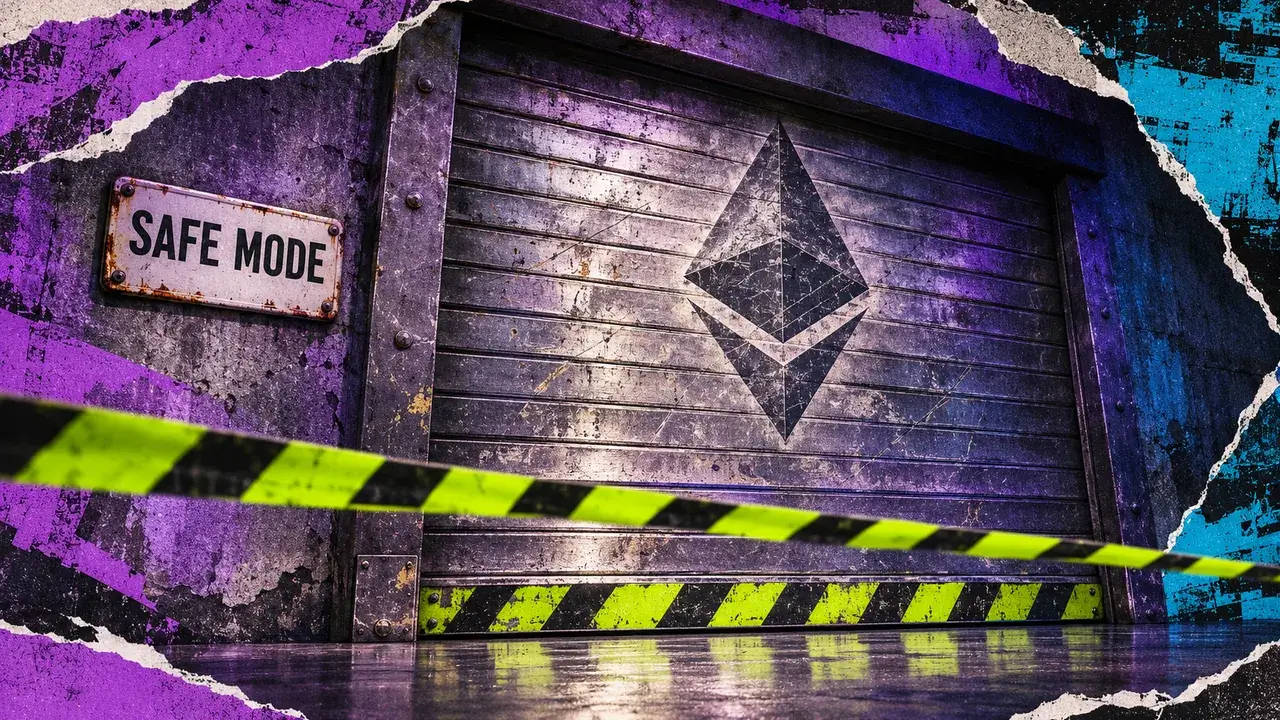
In response to the exploit, the team hit the emergency pause button. This stopped everything: deposits, withdrawals, and even price quotes. If you were a user with funds in flight, you were suddenly staring at a maintenance screen. For a developer, the emergency pause is a necessary evil, but for a user, it feels like being locked out of your own house during a fire.
We see this cycle constantly in DeFi. A vulnerability is found, the attackers move faster than the monitors, and the team has to freeze the entire protocol to prevent a total wipeout. While this protects the remaining liquidity, it shatters the illusion of 24/7 uptime that decentralized protocols promise. If a small group of people can flip a switch and stop your money from moving, we have to be honest about how decentralized the system actually is during a crisis.
Why This Matters for Builders
If you are building in the liquidity space, the Chainflip incident is a case study in vault security. Cross-chain vaults are the highest-value targets in the industry because they hold massive amounts of idle capital across multiple ecosystems. Most exploits in this category don't happen because the cryptography is weak; they happen because the smart contract logic fails to account for a specific edge case in how assets are called or transferred.
Builders need to stop viewing audits as a final stamp of approval. An audited contract is just a contract where someone else didn't find the bug yet. The move toward "immutable" code is noble, but as Chainflip shows, you need robust circuit breakers that can trigger automatically based on abnormal outflow volumes. Waiting for a human to see a tweet and hit a manual pause button is usually too late.
The Liquidity Provider Risk
The real victims here aren't just the people trying to swap $100 of ETH for BTC. It is the liquidity providers (LPs). These are the folks who provide the depth that makes the protocol work. When a vault is drained, it is the LPs who take the hit. When the protocol goes into maintenance mode, their capital is trapped, earning zero fees while the market moves around them.
We have to ask ourselves if the current rewards for being a liquidity provider actually compensate for the risk of a total vault drain. In many cases, the yield is single digits, while the risk of a smart contract failure is 100% loss. That math doesn't work for long-term institutional adoption. We need better insurance primitives or isolated vault architectures where a single exploit doesn't paralyze the entire ecosystem.
Skepticism as a Feature
I’ve always said that healthy skepticism is a builder's best friend. When you look at the Chainflip situation, you see the inherent fragility of the "omnichain" dream. We want one interface to rule them all, but every time we add a connection to a new chain, we increase the attack surface. Every bridge is a potential point of failure.
The team at Chainflip now has the unenviable task of post-mortem analysis and trying to make users whole. This is where the brand is built or destroyed. Transparency is the only currency that matters here. If they hide behind jargon or try to downplay the impact, the trust is gone forever. Builders should watch their communication strategy as closely as their technical fix.
The Path Forward
We are going to see more of this. As more capital flows into cross-chain protocols, the incentive for hackers to find these holes grows exponentially. For the industry to mature, we have to move past the "move fast and break things" phase. When you are dealing with $4.86 million of other people's money, breaking things isn't an option.
The takeaway for the rest of us is simple: diversification isn't just for your portfolio; it's for your infrastructure. If you are a founder relying on a single cross-chain provider for your dApp's liquidity, you are one vault drain away from a broken product. Redundancy is expensive, but it is cheaper than a total collapse.
The goal of DeFi was to remove the middleman, but we've often just replaced the bank manager with a smart contract that has a backdoor for the developers. We have to do better.
Expect more maintenance screens in the short term as other protocols scramble to check their own vaults for similar vulnerabilities. This is the reality of the frontier. It's messy, it's risky, and sometimes, the bridge just falls down.
Read the original at CryptoSlate →