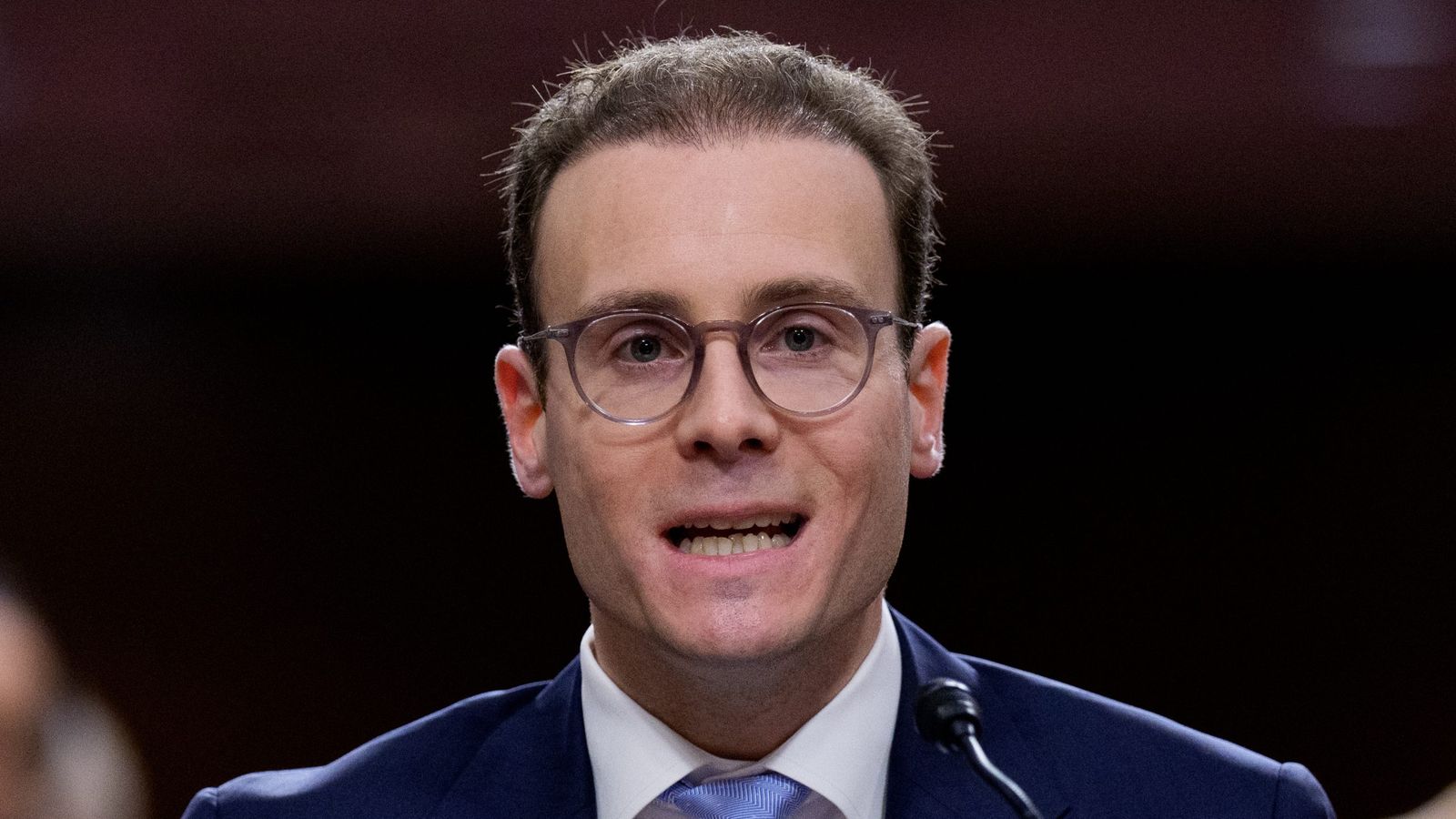
The regulatory landscape for decentralized finance is shifting from a state of constant friction to one of cautious negotiation. Recent comments from CFTC Chair Summer Selig regarding onchain trading venues like Hyperliquid suggest that the wall between decentralized protocols and US markets might finally have a door, provided builders are willing to turn the handle.
The Hyperliquid Precedent
For a long time, the consensus among crypto founders was that if you built something truly onchain, you simply blocked US IP addresses and hoped for the best. The CFTC's recent posture suggests that this cat-and-mouse game is reaching an inflection point. Selig's outline for how platforms like Hyperliquid could theoretically enter the US market isn't just a set of rules; it is a signal that the agency recognizes the technical reality of perpetual DEXs.
The core issue has always been the friction between automated code and manual compliance. Traditional exchanges rely on centralized intermediaries to handle KYC, AML, and reporting. Onchain venues rely on smart contracts. The CFTC is now signaling that they are looking for ways to map these decentralized functions onto existing regulatory frameworks without necessarily killing the technology in the process.
What This Means for Builders
If you are building in the DeFi space, the takeaway here isn't that the US is suddenly a free-for-all. It is that the "compliance by design" philosophy is no longer optional. Selig's comments imply that the agency is looking for specific guardrails: transparency in liquidation engines, verifiable collateralization, and some form of identity layer that satisfies federal requirements without compromising the non-custodial nature of the protocol.
For founders, this is a call to stop treating regulation as an afterthought. The platforms that win the next cycle will be those that can integrate these regulatory requirements into their stack early. We are moving away from the era of "ask for forgiveness" and into an era of "negotiated entry."
The Waning Influence of the Old Guard
While the CFTC is talking tech, the political theater in Washington is also shifting. Ripple's Chief Legal Officer, Stuart Alderoty, recently voiced a sentiment that many in the industry have felt but few have said so bluntly: the era of Elizabeth Warren setting the agenda for crypto policy is likely over.
For years, Senator Warren has been the primary architect of the "anti-crypto army" narrative. Her influence over the SEC and other regulatory bodies has been a significant headwind for US-based innovation. However, the political winds are changing. With a new administration and a more crypto-literate Congress taking shape, the focus is moving away from blanket skepticism and toward functional legislation.
The Shift Toward Pragmatism
Alderoty's skepticism about Warren's continued dominance is rooted in the reality of the recent elections. Crypto has become a bipartisan issue, or at least one where the pro-innovation wing of the Democratic party is starting to push back against the hardline skeptics. For builders, this means the threat of a total ban or impossible-to-meet standards is receding.
However, we shouldn't mistake a change in leadership for a lack of oversight. Even if Warren's specific brand of hostility fades, the demand for consumer protection remains. The difference is that the new guard is more likely to ask how to regulate crypto, rather than whether crypto should exist at all.
The Infrastructure Gap
As we look at the intersection of the CFTC's openness and the changing political climate, a clear gap emerges: infrastructure. If onchain venues are to become regulated entities, we need better tools for onchain compliance that don't suck the soul out of DeFi.
- Identity Solutions: We need zero-knowledge proofs that verify a user's eligibility without doxxing their entire wallet history to a centralized database.
- Reporting Tools: Smart contracts need to be able to export data in formats that regulators understand without requiring a manual audit every month.
- Risk Management: Protocols need to demonstrate that their liquidation math holds up under extreme volatility, providing the same level of assurance as a traditional clearinghouse.
The builders who solve these problems are the ones who will facilitate the bridge between the $2 trillion crypto market and the massive pools of institutional capital waiting on the sidelines.
The Reality Check
I’ve seen enough cycles to know that a few positive comments from a regulator don't mean the battle is won. The CFTC is still an enforcement agency. Their job is to protect markets, not to make founders rich. When they talk about a "pathway" for onchain venues, they are talking about a path that involves significant legal fees, rigorous audits, and a level of transparency that many current DeFi projects aren't prepared for.
Similarly, dismissing Elizabeth Warren's influence is one thing; passing a comprehensive market structure bill is another. Washington is slow, and the legislative process is where good ideas often go to die. We are in a period of transition, and transition is always messy.
The Founder's Perspective
If I’m starting a project today, I’m not waiting for the perfect law to be passed. I’m looking at what Selig is saying and building with those constraints in mind. I’m also not assuming that the political environment will stay friendly forever. The goal should be to build protocols that are so robust and so clearly beneficial to the user that they become impossible to ignore or ban.
The narrative is shifting from "crypto is a scam" to "crypto is a new type of financial infrastructure." That is a massive win, but it comes with the responsibility of actually building infrastructure that works for more than just degens and speculators.
Final Takeaway
The door is cracking open. The CFTC is providing the blueprint, and the political opposition is losing its grip. The question for the industry is no longer whether we can build these systems, but whether we can build them in a way that survives the transition into the mainstream. Stop looking for loopholes and start looking for bridges. The next phase of crypto isn't about avoiding the system; it's about upgrading it.
Read the original at The Block →