The Great Rotation: Beyond the Hype Cycles
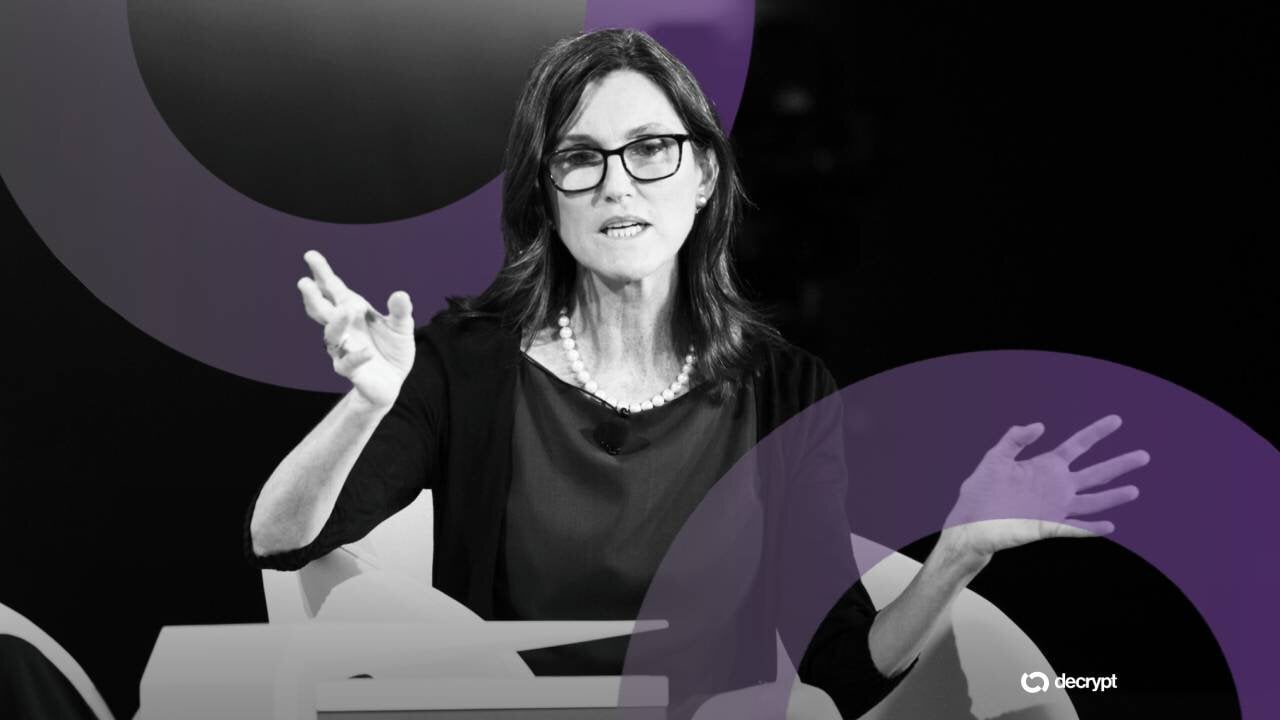
Market movements usually fall into two categories: panic or positioning. When Cathie Wood and the team at ARK Invest offloaded roughly $85 million worth of Nvidia stock recently, the headlines focused on the sheer dollar amount. But for those of us building in the trenches of AI and Web3, the dollar signs matter less than the direction of the capital. Wood isn't just exit-liquidity seeking; she is rotating into the infrastructure of the next financial layer.
During the recent market selloff, ARK picked up about $40 million in crypto-adjacent stocks, including Coinbase, Block, and Circle. To the casual observer, selling the world’s most successful chipmaker to buy volatile exchange stocks looks like a gamble. To a founder, it looks like a realization that the hardware layer of AI is nearing a peak of inflated expectations, while the utility layer of crypto is still being undervalued by traditional markets.
Nvidia and the Hardware Ceiling
Nvidia has become the de facto index for the AI boom. If you’re building an LLM, a rendering engine, or a complex simulation, you are paying the Nvidia tax. Their earnings have been nothing short of miraculous, but for an investment fund focused on "disruptive innovation," Nvidia is starting to look like a mature utility company. The massive growth has already happened.
When a fund like ARK trims a massive position in Nvidia, they are signaling that the low-hanging fruit in the hardware sector has been picked. For builders, this is a reminder that you cannot rely on hardware margins forever. The real value is moving up the stack. If you are starting a company today, don't just try to be the next chip designer or a reseller of compute. The market is looking for what happens after the chips are installed.
Why Crypto Stocks? The Founder's Perspective
The pivot into Coinbase, Block, and Circle during a dip is a classic contrarian move, but it is rooted in a specific thesis: financial rails are harder to build than chatbots. While the world was distracted by Nvidia's parabolic run, the underlying plumbing of the crypto economy was quietly becoming more robust.
Coinbase has evolved from a simple retail exchange into a massive institutional custodian and a Layer 2 pioneer with Base. Block continues to integrate Bitcoin into the very fabric of small business payments. Circle is effectively building the dollar's digital twin. These aren't just "crypto stocks" anymore; they are the companies building the alternative financial stack.
For builders, this rotation suggests that the smart money is looking for platforms, not just products. If you’re developing in the Web3 space, focus on how your project integrates with these giants. The ecosystem is consolidating around a few key players who can bridge the gap between legacy finance and the on-chain world.
The Volatility Premium
Buying during a selloff is easy to say and hard to do. Most founders I talk to get spooked when the markets turn red. They start thinking about extending runway and cutting marketing. But Wood’s move shows a commitment to a long-term roadmap. She sold the "safe" winner (Nvidia) to buy the "risky" future (crypto).
This is the same mindset required to survive a bear market. You have to be willing to abandon the consensus trade when the math no longer supports the upside. Nvidia at a trillion-dollar valuation has a lot to lose if they miss an earnings call by even a fraction. Coinbase and Block, however, have already been through the fire. They’ve been beaten down, regulated, and doubted. Their upside is tied to the adoption of a new global standard, not just a quarterly hardware cycle.
What This Means for the AI-Crypto Convergence
We are seeing a convergence of these two sectors. AI needs crypto for decentralized compute, data provenance, and automated payments. Crypto needs AI to make user interfaces less of a nightmare and to optimize smart contracts. By selling the hardware (Nvidia) and buying the settlement layer (Coinbase/Block), ARK is betting on where the two industries will eventually meet.
If you are a founder, you should be looking at your tech stack through this lens. Are you building something that relies on a single hardware provider, or are you building something that can live across the decentralized rails that are currently being funded?
- Infrastructure is King: The move from chips to exchanges shows a shift toward where the users actually live.
- Timing the Dip: Using a macro selloff to increase exposure to high-conviction plays is a lesson in grit.
- Platform Plays: The focus on companies like Coinbase and Block highlights the importance of being a central hub in the ecosystem.
The Takeaway for Builders
Don't get distracted by the headline numbers. Whether it's $85 million or $85, the strategy remains the same: identify the core infrastructure of the next decade and ignore the noise of the current one. The AI hardware boom provided the spark, but the crypto-financial stack will provide the fuel for long-term growth.
If your project is purely speculative, you should be worried. But if you are building the tools that allow these sectors to communicate, scale, and settle value, you are exactly where the capital is flowing. Stay skeptical of the hype, but stay committed to the rails.
Growth is never a straight line, but the direction of capital usually tells you where the new road is being paved.
Read the original at Decrypt →