The Math Problem in the Treasury
In the world of decentralized governance, the treasury is supposed to be the lifeblood of sustainable development. It is the war chest that ensures builders keep building when the hype cycles die down. But a recent proposal from the Cardano Foundation has highlighted a growing disconnect between institutional requests and the harsh reality of market liquidity. The Foundation is currently seeking 25 million ADA from the project treasury to fund its 2025 roadmap, specifically targeting a series of 12 global events. The catch? They are valuing ADA at $0.20 per token to reach their $5 million target, while the market is trading significantly lower, creating a 33% gap in valuation.
As a founder, I look at this through a very specific lens: capital efficiency. If a startup approached a VC with a valuation that ignored the last six months of market data, they would be laughed out of the room. In crypto, we often treat treasury funds like they are house money—non-dilutive grants that do not require the same rigor as a seed round. But this is exactly where things fall apart. When you price your budget based on hope instead of the spot price, you are either planning to fail or planning to come back for more in six months when the math doesn't check out.
The Event Trap
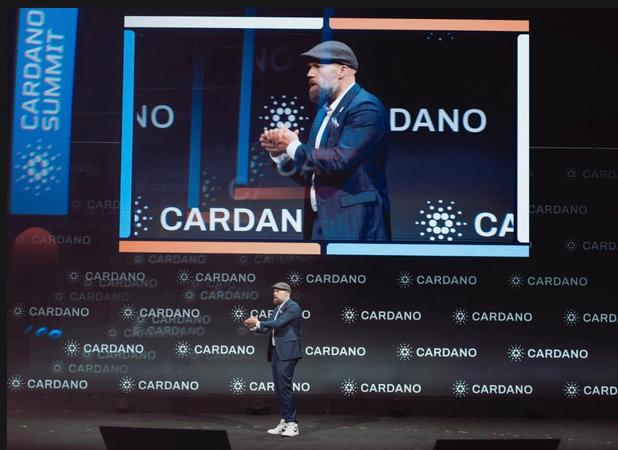
The Foundation’s plan focuses heavily on the "Cardano Catalyst" events and global summits. For builders, this is a double-edged sword. On one hand, physical events are great for networking and onboarding enterprise partners. On the other hand, $5 million buys a lot of technical infrastructure, developer tooling, and documentation—the things that actually help someone ship an app on Tuesday afternoon.
We have seen this movie before. Massive spending on global event circuits often yields high-quality photos and nice networking dinners, but rarely does it move the needle on Total Value Locked (TVL) or transaction volume. For a protocol that has often been criticized for having a "ghost chain" vibe despite its massive market cap, doubling down on events over technical subsidies feels like a strategic misstep. If I am building on Cardano, I do not need a cocktail party in Singapore; I need better SDKs and faster finality.
The Governance Disconnect
This proposal is hitting the ecosystem right as Cardano moves deeper into its Voltaire era—the phase focused on decentralized governance. The community is now tasked with voting on these expenditures. This is where the skeptics (myself included) start to worry. Decentralized governance is messy, and it is often dominated by those with the most at stake, which usually means the entities making the requests.
The Foundation is essentially asking the community to subsidize a valuation buffer. If the treasury releases 25 million ADA and the price stays at $0.15, the Foundation does not get its $5 million. They get $3.75 million. This leads to two possible outcomes: either the events are underfunded and mediocre, or the Foundation has to sell more ADA into a weak market to cover the delta, further depressing the price for everyone else. It is a feedback loop that builders should be wary of. Transparency is not just about showing us the bill; it is about being honest about the exchange rate.
Why Builders Should Care
If you are a developer, your primary concern is the longevity of the ecosystem. A treasury that overpays for marketing and events is a treasury that is depleting its ability to fund core protocol improvements. We need to look at the opportunity cost. What could $5 million do if it were channeled into a decentralized grant program for DeFi primitives or ZK-rollups on Cardano?
The Foundation argues that these events are necessary for "brand awareness" and "ecosystem health." But in 2026, brand awareness comes from utility. It comes from the next big consumer app or a stablecoin that actually works. We are past the era where a booth at a conference defines a protocol's success. Builders should be demanding that treasury requests be pegged to real-time market data with built-in slippage protection, rather than static numbers that favor the requester over the holders.
The Reality of the $0.20 Vision
It is worth asking why the $0.20 figure was chosen. Is it a sign of internal confidence that a pump is imminent? Or is it simply an outdated budget sheet that no one bothered to update before hitting 'submit'? Either way, it suggests a lack of agility. In a market that moves 10% in an hour, using a 33% premium for a $5 million request is more than a rounding error. It is a fundamental flaw in financial planning.
For the average ADA holder, this proposal represents a significant liquidation event. Even if the Foundation doesn't dump all 25 million tokens at once, that sell pressure stays on the horizon. When a foundation asks for funds at a premium, they are essentially asking the community to take the haircut on their behalf. It is an optics nightmare that could have been avoided with a more transparent, floating-rate request.
The Takeaway for the Ecosystem
The lesson here is simple: Governance is only as good as the data driving it. If the Cardano community approves this, they are signaling that they value the Foundation's presence at global events more than they value the accurate stewardship of their collective resources. As builders, we need to stop being enamored by the "big names" and start looking at the balance sheets.
The Cardano Foundation has a massive responsibility to lead by example. By submitting a proposal that ignores current market prices, they are setting a precedent that it is okay to be detached from reality as long as you have enough voting power. If Cardano wants to be the "people's blockchain," it needs to start treating the people's money with a little more respect for the current exchange rate.
Read the original at CoinDesk →