The quiet evolution of the research chain
Cardano is a project that people love to hate because it doesn't move at the breakneck, often reckless speed of its peers. While other ecosystems are busy patching holes after a bridge exploit or mourning a chain halt, the Cardano crowd is usually debating formal verification and peer-reviewed papers. It can be slow. It can be frustrating. But every once in a while, a milestone hits that reminds you why a builder-first mentality matters.
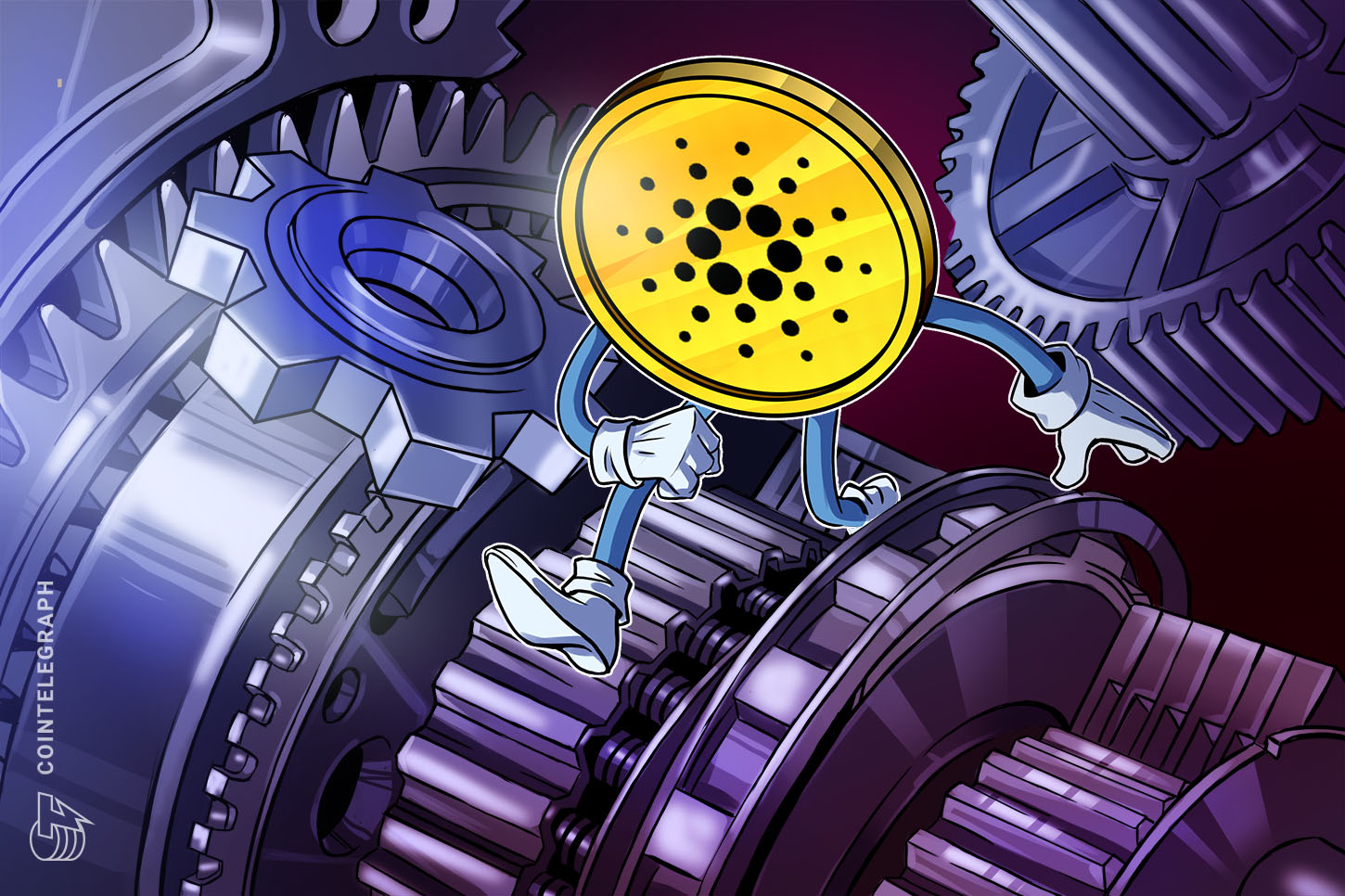
We just saw the activation of the van Rossem hard fork. On its face, it sounds like another technical footnote in the long-winded journey of the Cardano roadmap. But for those of us looking at the plumbing of decentralized applications (dApps), this is more than just a name change. It is a calculated move to lower the barrier to entry for developers while clearing the brush for a much larger architectural shift called Leios.
Lowering the cost of doing business
If you are building a protocol, the cost of executing smart contracts is your primary overhead. High fees don't just hurt the end user; they dictate what kind of logic you can actually run on-chain. Before van Rossem, Cardano's Plutus scripts were functional but sometimes pricey under heavy load. This upgrade introduces significant optimizations that reduce the computational resources needed to run these contracts.
By bringing down execution costs, the network becomes more competitive for DeFi primitives. It allows for more complex logic inside a single transaction without hitting the resource ceiling. For a founder, this means your user experience becomes more predictable. There is nothing more damaging to a startup than a user getting halfway through a transaction only to realize the fee makes the trade irrational. Van Rossem is effectively a subsidy for efficiency.
Preparing for the Leios leap
The real story isn't just about cheaper contracts today; it is about the structural preparation for Ouroboros Leios. For the uninitiated, Leios is Cardano’s answer to the classic scalability problem. The goal is to dramatically increase transaction throughput without sacrificing the decentralization that the community treats as a religion.
The current consensus model is sequential. One block follows another. Leios aims to decouple the process of transaction validation from the process of block production. It’s like moving from a single-file line at a grocery store to a system where multiple baggers are prepping orders simultaneously while one cashier handles the final settlement. It transforms the chain from a serialized processor into a parallel one.
Van Rossem provides the requisite technical hooks to make this transition possible. Without these updates to the ledger and the virtual machine, Leios would have no foundation to sit on. It’s the boring, necessary infrastructure work that happens before the flashy headlines about "thousands of transactions per second" can actually be true.
The founder’s perspective on the delay
I get the skepticism. Cardano has been promising high-performance scaling for years. The "slow and steady" mantra is often used as a shield against legitimate criticism regarding market share. However, when you look at the landscape of Layer 1 blockchains, the ones that prioritize speed over stability are currently struggling with massive state bloat and liveness issues.
The beauty of the Cardano approach is that once an upgrade is integrated, it rarely breaks the stuff that came before it. Backward compatibility is a feature, not a bug, for builders who want to sleep at night.
If you are a builder, you have to decide what kind of foundation you want. Do you want the chain that is easy to build on today but might restart three times a month? Or do you want the chain that requires a PhD to understand but offers a mathematical guarantee that your smart contract will behave exactly as written? Van Rossem moves Cardano slightly closer to being a practical choice for the latter group by making it more affordable.
What this means for the ecosystem
We should expect to see a surge in activity from existing Cardano projects that have been waiting for these specific optimizations. It’s not just about DEXs; it’s about governance. As Cardano moves into the Voltaire era, the on-chain voting and treasury management systems require a lot of smart contract interaction. If those interactions are too expensive, governance becomes a game for whales only.
By optimizing the ledger now, the network ensures that the decentralized governance model remains accessible to the average ADA holder. This isn't just a technical upgrade; it’s a political one. It reinforces the idea that the community, not just the founding entities like IOG or the Foundation, will eventually hold the keys to the kingdom.
The skepticism remains healthy
Optimism is great, but we have to be realistic. A hard fork doesn't magic away the lack of liquidity or the steep learning curve of the Haskell-based ecosystem. Reducing costs is a great step, but the competition is fierce. Ethereum L2s are getting cheaper by the week, and other chains are aggressively courting developers with massive grants and easier-to-use tooling.
Cardano is betting that by building a more robust, scientifically audited core, they will win the marathon even if they are losing the sprint. Van Rossem is a evidence of that commitment. It’s a quiet, methodical improvememt. It won't cause a massive price pump overnight, and it won't suddenly turn every Solidity dev into a Plutus expert. But it does make the network more viable for the long haul.
A takeaway for the builders
- Audit your scripts: If you have existing contracts on-chain, now is the time to see how the new execution cost parameters affect your bottom line.
- Watch the Leios development: The gap between van Rossem and Leios is the window where you should be designing for a high-throughput environment.
- Focus on governance: With the technical barriers lowering, participating in the network's decentralized decision-making is no longer just for the power users.
Ultimately, van Rossem is a signal that the road ahead is being paved. It’s not the destination, but it’s proof that the engine is still running and the destination is closer than it was yesterday. For builders who value stability over hype, that’s usually enough to keep building.
Read the original at Cointelegraph →