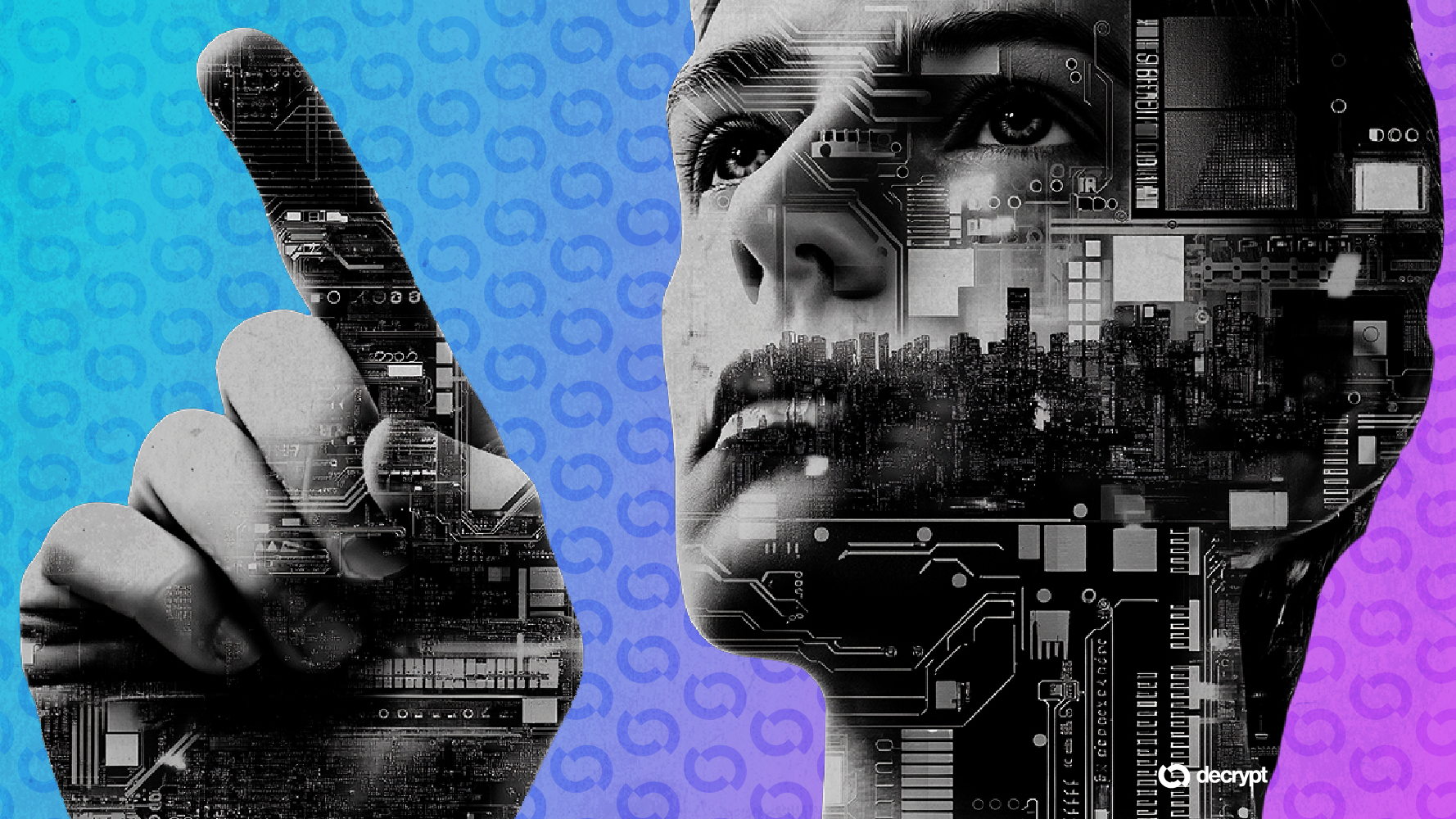
When you build in the AI space, the biggest risk isn't always a lack of product-market fit or running out of runway. Sometimes, the brick wall is regulatory. We are seeing this play out in real-time right now across the Pacific. ByteDance and Alibaba, two of the largest tech empires on the planet, are hitting the brakes on their custom AI agent features. This isn't because the tech failed or users didn't want it. It is because Beijing decided that AI should not feel quite so human.
The War on Artificial Empathy
China is moving fast to establish boundaries around how large language models interact with the public. The new guidelines are specific: they are cracking down on AI that mimics human emotions or attempts to form psychological bonds with users. In response, platforms like Douyin—the Chinese sibling of TikTok—and Alibaba's various ecosystems are scrubbing tools that allowed users to create and interact with personalized, highly emotive digital personas.
For these companies, the risk of non-compliance outweighs the benefit of keeping these features live. If you are a founder, this is a clear signal that the era of "anything goes" in personality-driven AI is ending, at least in certain jurisdictions. The mandate requires clear labeling. Users must know, without any ambiguity, that they are talking to a machine. More importantly, the machine isn't allowed to play the role of a friend or a romantic partner in a way that could be considered deceptive or manipulative.
Why Builders Should Care About the "Humanity" Cap
If you are building an AI agent startup, your primary value proposition is likely efficiency or companionship. China is effectively outlawing the latter. By forcing these systems to strip away emotional nuance, the government is essentially turning agents back into basic search bars and command lines. This creates a massive hurdle for retention.
We have to look at why this is happening. Regulators are worried about social stability and the psychological impact of millions of people forming deep attachments to algorithms controlled by private corporations. From a founder's perspective, this is a nightmare because it limits the "stickiness" of the product. If your AI can't empathize, it is just software. And software is a commodity.
The Labeling Burden
According to these new rules, the burden of disclosure is heavy. It is no longer enough to have a small disclaimer in the footer. The interface itself must signal that the interaction is artificial. This kills the immersion that many developers are trying to achieve. When we talk about "invisible tech," we mean technology that integrates seamlessly into life. China is mandating that the technology remains highly visible and clearly distinct from human life.
For builders in the West, do not assume this is a "China-only" problem. European regulators often follow similar paths regarding consumer protection, and the U.S. is rarely far behind when it comes to concerns about AI-driven misinformation or psychological harm. If your entire moat is built on your AI's ability to sound like a specific person or offer emotional support, you are building on shifting sand.
The Pivot to Utility Over Personality
ByteDance and Alibaba aren't abandoning AI; they are pivoting to utility. They are moving away from "digital friends" and toward "digital assistants." There is a massive difference. An assistant helps you buy a plane ticket or summarize a document. A friend listens to your problems. The former is safe; the latter is now a regulatory liability.
- Increased Oversight: Expect more manual reviews of agent prompts and outputs.
- Standardized Disclaimers: Intrusive UI elements that remind you the AI isn't real.
- Persona Restrictions: No more mimicking celebrities or public figures without explicit, high-level clearance.
This shift will likely result in a temporary dip in user engagement. People love talking to AI when it feels like a person. They tolerate talking to it when it feels like a tool. ByteDance is choosing the path of tolerance to avoid the path of litigation.
The Founder's Takeaway
If you are currently developing agentic workflows, you need to diversify your feature set. Relying on emotional resonance as a primary driver for growth is dangerous. The technology is capable of it, but the law might not allow it. We are entering a phase where the "soul" of the AI is being legislated out of existence in the name of safety.
The biggest lesson here is that transparency is no longer optional. If you try to hide the machine behind a human mask, the regulators will eventually unmask you.
We should watch closely to see how Chinese users react. If engagement craters because the AI got "boring," it proves that the personality was the product all along. If users stay, it means the utility is strong enough to survive the stripping of its humanity. For those of us building in AI, this is a stress test for the entire industry. Build for utility first, personality second. That way, if the regulators come for your AI's feelings, you still have a business.
Read the original at Decrypt →