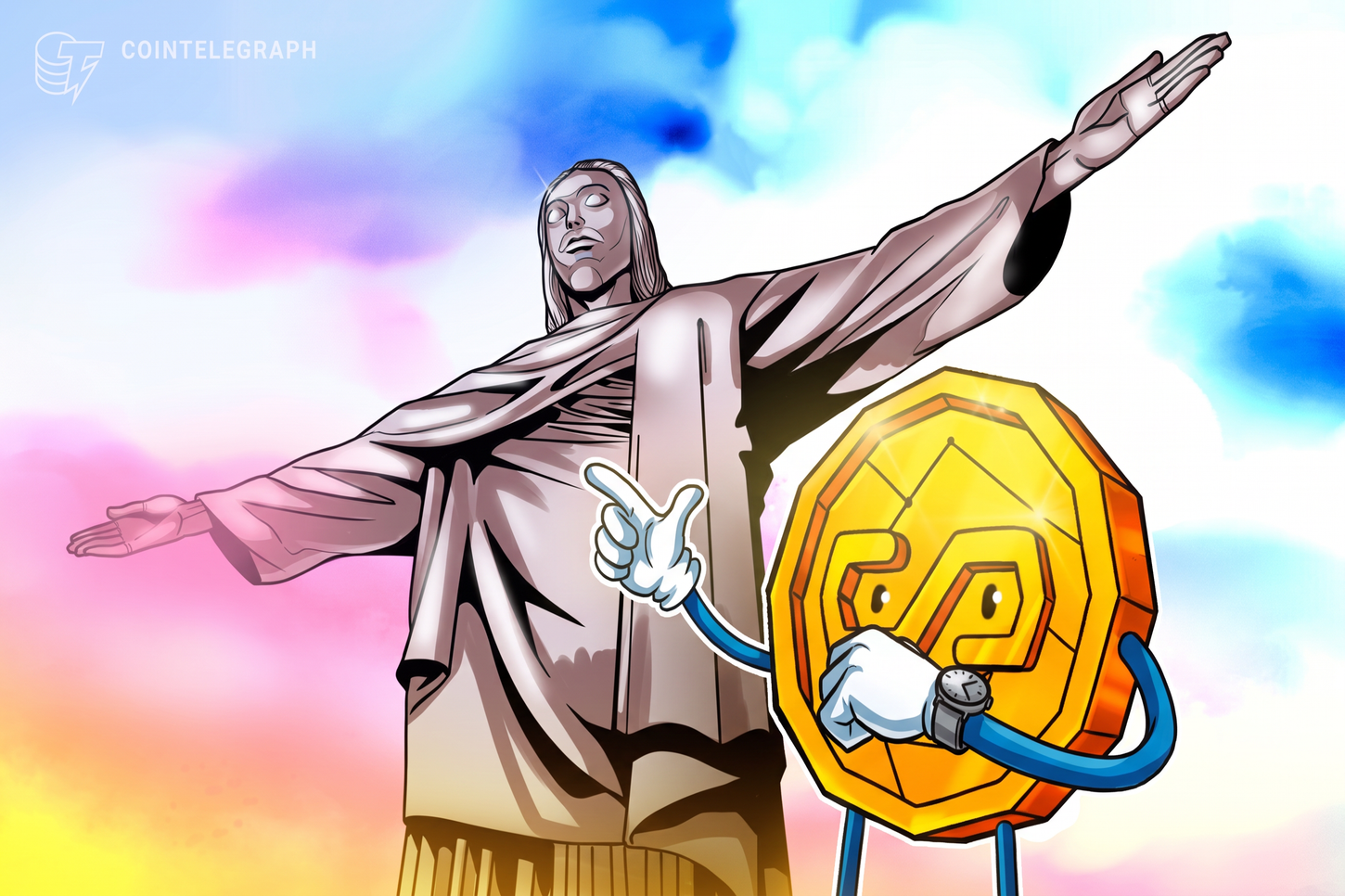
I have spent enough time in the crypto space to know that whenever a major financial institution announces a timeline, you should probably double it. Brazil’s stock exchange, B3, just proved my point. They are working on a stablecoin pegged to the Brazilian real, but they have pushed the launch window out to 2027. If you are a developer or a founder looking at Latin America, this delay tells a much larger story than just a slow engineering cycle.
The Long Road to Institutional Legitimacy
B3 is not just some small-time exchange; it is the powerhouse of Brazilian finance. When they decided to move into the stablecoin space, they didn't just spin up an ERC-20 contract and call it a day. They brought in six major financial institutions to build a framework for a real-backed token. The original hope was for something sooner, but the reality of regulatory compliance and infrastructure integration has forced a move to the first quarter of 2027.
From a builder's perspective, this delay is actually a signal of seriousness. Most retail-facing projects launch in three months and spend the next three years trying not to get sued by the central bank. B3 is doing the opposite. They are spending the time upfront to ensure that when this asset goes live, it is essentially indistinguishable from traditional fiat in terms of legal standing. For those building in the Brazilian ecosystem, this means the eventual liquidity will be high-quality and fully sanctioned, which is a rare thing in the wild west of stablecoins.
Why 2027 Matters for Tokenization
The push to 2027 aligns with a broader global shift toward the tokenization of real-world assets (RWA). We aren't just talking about people trading crypto on their phones; we are talking about the backend of the entire Brazilian financial system moving toward distributed ledger technology. B3’s goal is to create a digital version of the real that functions within their specific ecosystem, facilitating faster settlements and lower costs for institutional players.
For founders, this is the validation of the "middle layer." There is a massive opportunity for companies that can bridge the gap between today’s legacy systems and the 2027 reality of a B3 stablecoin. If the exchange is taking this long, it means the plumbing is complicated. If you can build the tools that make that plumbing invisible to the end-user, you are in a very strong position.
The Central Bank Influence
We cannot talk about B3 without talking about the Central Bank of Brazil. Brazil has been one of the most proactive countries in the world regarding digital payments, thanks to the massive success of Pix. The central bank is also working on DREX, their own central bank digital currency (CBDC). The B3 stablecoin will likely have to coexist or integrate with DREX, which adds layers of complexity that most startups don't have to worry about.
This is where my healthy skepticism kicks in. When you have multiple government-adjacent entities building competing or overlapping digital assets, the friction increases. The 2027 timeline is a concession to that friction. It is a acknowledgment that the technical hurdle is small compared to the political and regulatory one.
What This Means for Founders
If you are building in the crypto space today, 2027 feels like a lifetime away. In AI terms, 2027 is a different geological era. However, the institutional money operates on decades, not fiscal quarters. Here is how I see this affecting the builder community:
- Infrastructure over Apps: The next two years will be about building the rails. If the B3 stablecoin isn't ready until 2027, the consumer apps that rely on it don't need to be ready today. The focus should be on custody, compliance, and interoperability.
- Latin American Dominance: Brazil is positioning itself as the leader in regulated crypto. If you are looking for a sandbox that has clear rules, this is it. Even with the delays, a slow roadmap is better than no roadmap.
- The RWA Narrative is Real: This isn't just a stablecoin; it is a gateway for tokenized bonds, stocks, and real estate. B3’s move confirms that the stock exchange sees its future on a ledger.
A Reality Check on Speed
I often talk about how "crypto speed" is a double-edged sword. We move fast, but we break things that shouldn't be broken, like people's life savings. B3 moving slow is an attempt to break that cycle. They want the efficiency of a blockchain without the volatility of the culture surrounding it. Whether they can actually achieve that without stifling innovation remains to be seen.
Builders should watch the partners involved in this project. When six major banks collaborate, they aren't just building a coin; they are building a walled garden. Your job as an independent founder is to figure out how to build the doors and windows to that garden, or better yet, build the tools that allow users to move their assets out of it when they need to.
The Takeaway
The B3 delay to 2027 is a reminder that institutional adoption is a marathon, not a sprint. For builders, this is a call to focus on long-term sustainability rather than short-term hype. The Brazilian market is maturing, and the winners will be those who can navigate the slow-moving gears of the traditional financial system while maintaining the technical edge of the crypto world. Don't wait for 2027 to start building, but don't expect the floodgates of institutional liquidity to open any sooner than that.
Read the original at Cointelegraph →