Brazilian federal authorities just pulled the curtain back on a multi-billion dollar operation that marks a turning point in how we view the intersection of physical crime and digital assets. I have spent years looking at how builders can create decentralization, but operations like this remind us that the legacy world still has a massive impact on our space.
The Scale of the Operation
Law enforcement in Brazil, specifically the Federal Police, recently executed a massive sweep targeting an international syndicate. This group was not just moving small amounts of contraband; they were allegedly responsible for trafficking roughly 6.5 metric tons of cocaine across international borders. To put that in perspective, we are talking about a supply chain that spans continents and involves logistics that would make a Fortune 500 company envious.
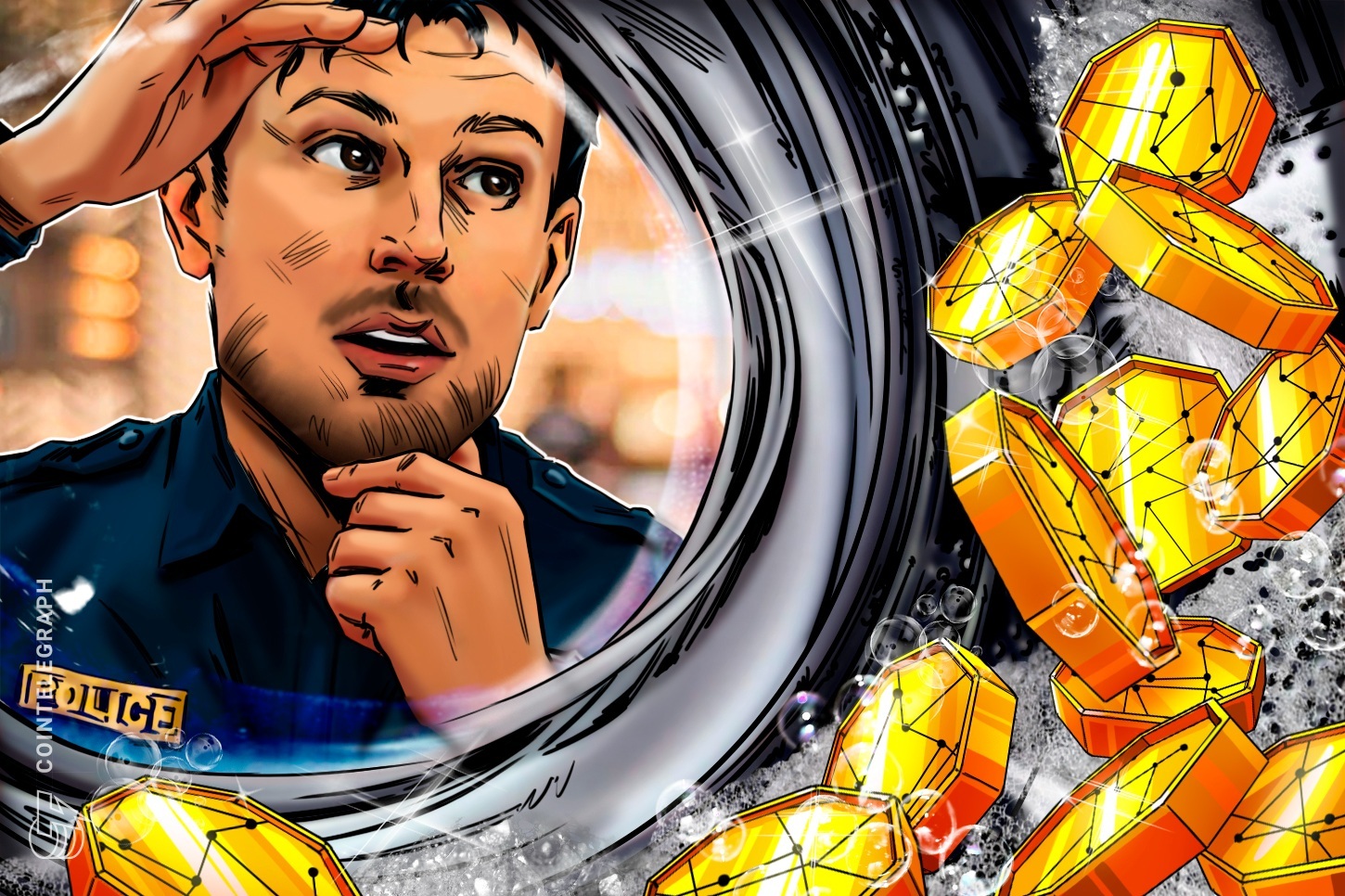
But the real story for us is not the cargo—it is the cash. The investigation suggests that the group managed to launder billions of Brazilian reals. They did not do this through traditional bank accounts alone. They relied on a sophisticated network of illicit money brokers who used cryptocurrency as their primary engine for moving value without tripping the usual alarms.
How the Crypto Laundering Worked
The authorities are focusing on what they call crypto-enabled brokers. These are not your standard regulated exchanges like Coinbase or Kraken. Instead, these are shadow operators who provide liquidity and off-ramps for individuals who cannot or will not go through KYC processes. They act as a bridge between the physical world of illicit goods and the digital world of liquid capital.
- Physical cash from drug sales is collected.
- The cash is handed to a broker who converts it into stablecoins or other digital assets.
- The crypto is moved across wallets to obfuscate the trail.
- The final destination is often offshore accounts where it can be converted back into local fiat.
For a builder, this is a sobering reality. Every time we talk about permissionless systems, we have to acknowledge that actors like these enjoy that lack of permission just as much as a legitimate user in a hyper-inflationary economy does.
The Regulatory Backlash for Builders
This bust is not just a win for the police; it is a signal to regulators worldwide. When billions of dollars are moved through crypto-fueled channels to support violent syndicates, the appetite for nuanced regulation disappears. Politicians do not care about your elegant smart contract architecture when they see headlines about tons of cocaine and billions in money laundering.
Building in this environment means you are constantly fighting an uphill battle against the reputation of the technology itself. We are seeing a push for more stringent reporting requirements on self-hosted wallets and any platform that facilitates the exchange of value. If you are building a DeFi protocol, you need to be thinking about how you protect your stack from being used by these large-scale operations without compromising the core principles of privacy.
Infrastructure as a Liability
The Brazilian case shows that the infrastructure of the crypto world is being heavily scrutinized. It is no longer just about the coins; it is about the on-ramps and off-ramps. The authorities are getting much better at tracking the flow of funds on-chain once they identify a single point of entry. The myth of total anonymity is dying a slow death, and honestly, that might be a good thing for the industry's long-term survival.
The tension in crypto today is between those who want to build a better world and those who simply want a faster, quieter way to fund the worst parts of the old one.
If you are a founder, you have to decide where your loyalty lies. Creating tools that are truly neutral is a noble goal, but neutrality can be weaponized. The Brazilian police bust demonstrates that the state is not going to sit idly by while shadow brokers move billions. They will track the liquidity, and eventually, the hammer will fall.
The International Ripple Effect
Brazil has become a massive hub for crypto activity in South America. Since they have taken a relatively proactive approach to regulation, this bust will likely lead to even tighter controls. This does not just stay in Brazil. International law enforcement agencies share data. Lessons learned by the Brazilian Federal Police will be codified into the playbooks used by the FBI, Interpol, and European agencies.
- Expect more pressure on mid-size exchanges to implement stricter compliance.
- Watch for a crackdown on Peer-to-Peer (P2P) trading platforms that lack oversight.
- Anticipate new legislation targeting the specific types of brokers used in this case.
Building for the global market means navigating these waters. You cannot ignore the fact that your product might be used in a chain of events that starts with a shipment of drugs and ends with a series of blockchain transactions. It is a cynical view, but it is the honest one.
A Reality Check for the Ecosystem
We often get caught up in the hype of bull markets and technical milestones. We talk about the total value locked and the speed of transaction finality. But the real-world utility of crypto for criminal syndicates is a metric we rarely discuss in polite company. The Brazilian investigation shows that the utility is unfortunately very high.
As builders, we should be asking ourselves how we can differentiate legitimate privacy needs from the desire to hide multibillion-dollar criminal enterprises. If we do not answer that question ourselves, the government will answer it for us, and we probably won't like their solution.
The Long Game
This is not the end of crypto in Brazil, but it is the end of the honeymoon phase where the government was just trying to figure out what a Bitcoin was. They know what it is now, and they know what it can do. The focus has shifted from understanding the tech to policing the actors.
For those of us building the future, this is a reminder to keep our heads down and focus on real utility. The more we can point to positive use cases—remittances, transparent supply chains, decentralized identity—the more we can balance the scales against cases like these. But we also have to be honest about the flaws in the system.
Takeaway for Founders
The lesson here is simple: compliance is no longer an optional feature you can bolt on later. If you are building anything that touches liquidity, you have to assume that bad actors are looking at your platform. The scale of the Brazilian bust is a warning. Billions of dollars in illicit flow will always attract the full weight of the state. Your job is to make sure your project isn't the one providing the cover.
Read the original at Cointelegraph →