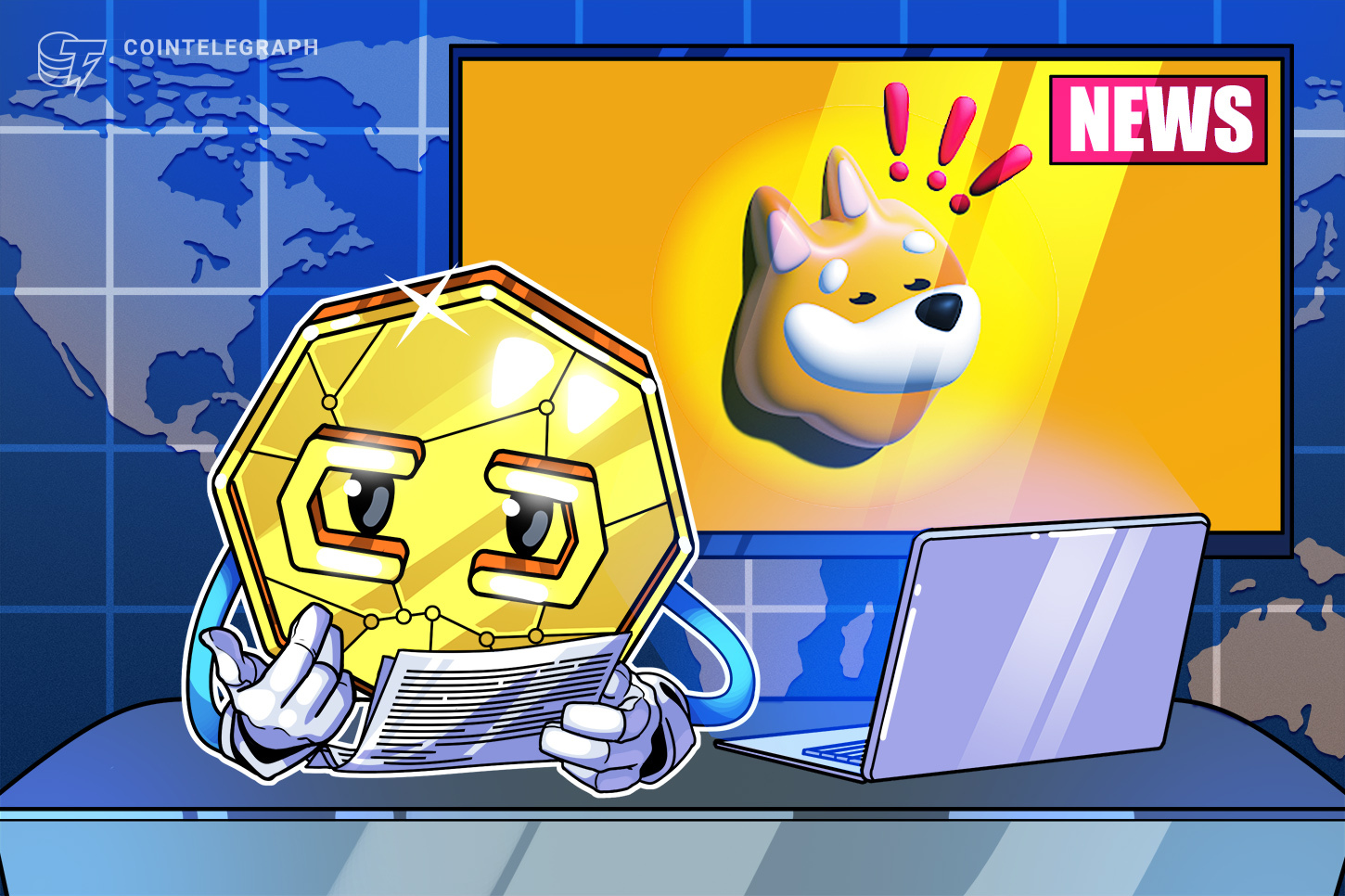
We have to stop pretending that every decentralized autonomous organization is actually secure just because the word decentralized is in the name. This week, BonkDAO became the latest victim of a governance-based attack, resulting in the theft of approximately $20 million. It wasn't a complex code exploit or a flash loan attack in the traditional sense. It was a failure of the human and social layers that govern these systems.
The Anatomy of the Governance Exploit
The developers behind the Solana-based memecoin project confirmed that a malicious governance proposal was used to siphon funds from the treasury. In simple terms, someone figured out how to use the voting mechanism itself as a weapon. They didn't have to hack the private keys; they just had to pass a rule that authorized the transfer of funds under false pretenses or through a loophole in the voting weights.
This is a nightmare scenario for builders. When you build a DAO, you're handing the keys to a crowd. We often talk about the wisdom of the crowd, but we rarely talk about the vulnerability of the crowd. If a malicious actor can accumulate enough voting power, or if they can trick a silent majority into ignoring a proposal until it's too late, the treasury becomes an open vault.
Why Memecoins Face Unique Risks
Bonk started as a community experiment to revive the Solana ecosystem after the FTX collapse. It succeeded beyond anyone's expectations, turning into a multi-billion dollar asset. However, the transition from a fun community token to a multi-million dollar treasury managed by a DAO is incredibly difficult. Speculative assets attract noise, and noise covers up red flags.
In many memecoin ecosystems, governance is often viewed as a formality or a marketing gimmick rather than a rigorous security layer. People hold the tokens because they want the price to go up, not because they want to read deeply technical proposals on treasury diversification. This apathy is exactly what attackers look for. They find the gap between the total value of the assets and the actual attention being paid to the rules.
The Reality of Recovery
The Bonk team is doing what every project does after a hit: they have contacted law enforcement and are attempting to track the funds. Let's be honest about what that usually means. Unless the attacker is careless enough to move the funds directly to a centralized exchange with strict KYC, the chances of a full recovery are slim. Blockchain is permanent, and these attackers usually have their exit ramps planned before they even submit the proposal.
For builders, this is a reminder that law enforcement is a reactive tool, not a preventative one. By the time you're calling the authorities, the damage to your reputation and your community's trust is already done. The goal should be to make the cost of an attack higher than the potential payout.
The Builder Perspective: Governance is Security
If you are building a project with a shared treasury, you need to stop viewing governance as a separate feature from your smart contracts. Governance IS your security model. If your voting system allows for a $20 million transfer without a multi-signature override, a delay period, or a veto mechanism, you haven't built a DAO; you've built a fragile bank.
- Timelocks are mandatory: No proposal should be able to execute immediately. There must be a window where the community or a security council can intervene if something looks wrong.
- Quorum requirements: High liquidities require high participation. If 2% of token holders can decide the fate of $20 million, the system is fundamentally broken.
- Active monitoring: You cannot leave the treasury on autopilot. Someone needs to be assigned to watch every single proposal that enters the queue, even the ones that look like routine maintenance.
The Social Layer Failure
We often talk about code being law, but human behavior is the judge and jury. In the case of BonkDAO, the social layer failed. Whether it was through a lack of communication or a lapse in vigilance, a proposal that should have been flagged as an existential threat was allowed to sit and eventually drain the treasury.
This is the trap of founder-led DAOs that try to transition to true decentralization. Founders get tired, they step back, and they assume the community will pick up the slack. But communities are often comprised of investors who are looking at charts, not governance portals. The gap that is left behind is where the vultures feed.
Breaking Down the Numbers
While $20 million is a staggering number, it’s the percentage of the treasury and the impact on project longevity that matters most. For a project with the scale of Bonk, this is a heavy blow but not necessarily a death sentence. However, for a smaller startup, an exploit of this scale is game over. Investors see a governance failure as a sign of incompetence, and that is a harder stain to wash off than a simple technical bug.
We have to get better at educating users on what they are actually voting for. If a proposal is written in legalese or intentionally obfusticated, the default response should be a 'No' vote. We need to cultivate a culture of skepticism within DAO governance.
The Long Game
The fallout from this will likely lead to more calls for regulation of DAOs, which is the last thing builders want. Every time a major project loses millions to a preventable governance error, it gives critics more ammunition to say that decentralized systems are inherently unsafe for the public.
The solution isn't necessarily more code; it's better architecture. We need to move away from simple token-weighted voting toward systems that require reputation, identity, or multi-faceted approval for large movements of capital. The 'one token, one vote' model is proving to be a playground for wealthy attackers.
The biggest risk to a DAO isn't a hacker in a hoodie; it's a politician with a proposal.
If you're launching a project today, look at the BonkDAO situation as a case study in what happens when growth outpaces governance. Don't wait for a $20 million lesson to realize that your security is only as strong as your most boring administrative process.
Read the original at Cointelegraph →